
Best Low Compression Golf Balls Review
Some links on this page are affiliate links. As an Amazon Associate, GolfThis earns from qualifying purchases at no extra cost to you.
Compression is a measurement of how dense your golf ball is. Every object has a density and thus a compression value. This compression may range from zero to two hundred and as far as golf balls are concerned, this range starts off from 40 and can go as high as 120. Our focus in this best low compression golf balls review, however, would be on low compression golf balls.
Why Low Compression?
There is a simple equation that you need to keep in mind before we further proceed with the article and this equation is:
Low compression = slow swing speeds
In other words, since low compression balls are softer, they are ideal for players who have a low swing speed. Such players can impart more energy to the ball on impact, thus enabling it to travel to a greater distance. There are a number of low compression balls in the market; however, your ultimate choice is determined by your ability level.
Moreover, the prices of these balls also vary. You can come across an inexpensive low compression ball that is manufactured with the sole purpose of increasing distance, and on the other hand you may come across expensive versions of this ball as well which not only increase the distance, but also give you a greater sense of control over the game.
Players with a High Handicap
Players who have a low to average playing ability may opt for a basic two piece low compression ball. These balls generally tend to have lower spin rates and are easily available. Moreover, they are more resilient as compared to compression balls manufactured to cater to the needs of better players. Not only do they last long, but they also cost less.
Players with Average to Low Handicap
You may be a really good player, but may have a slow swing speed. Thus, a low-compression ball would still be a pretty good choice for you. However, in this case a 3 piece low compression ball would suit you better as compared to a 2 piece one. This ball would generally comprise of a rubber core, an inner cover, which is mostly made from ionomer, and an outer urethane cover.
Best Low Compression Golf Balls Comparison Table
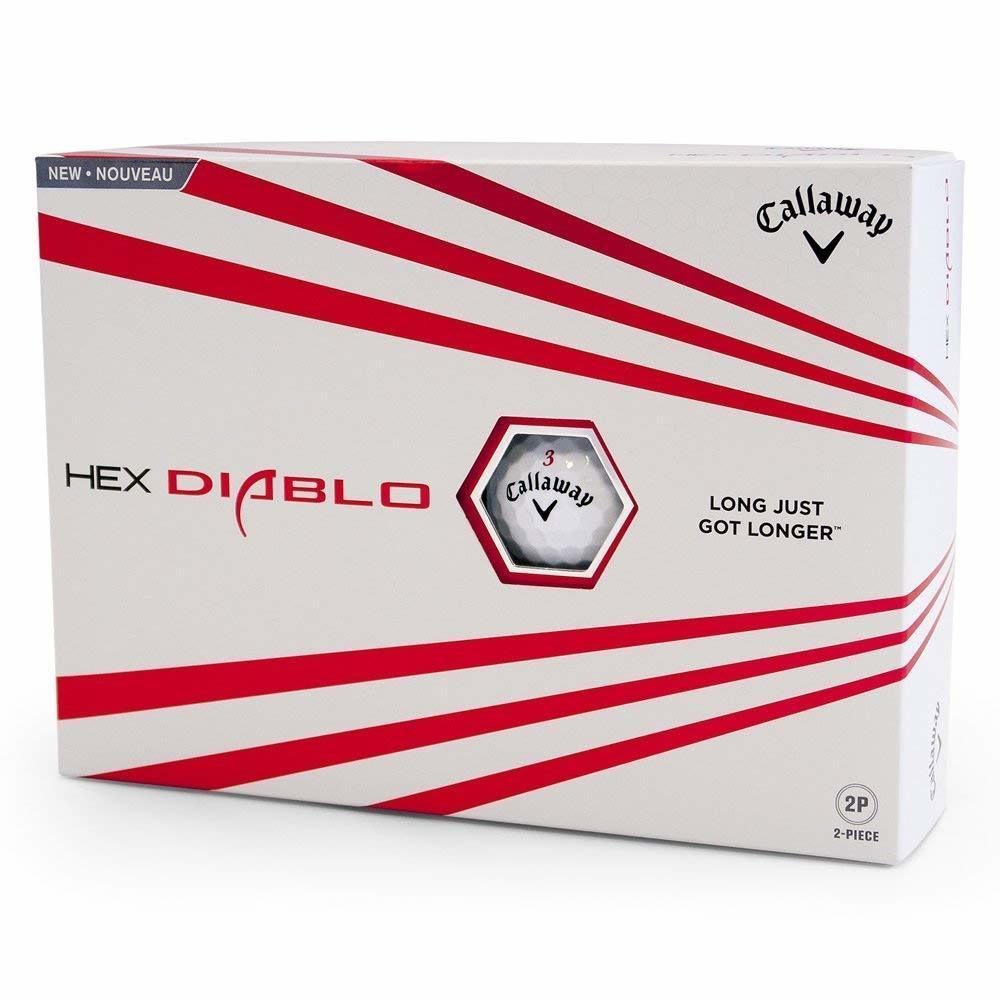
Pros
- 2 piece ball
- Unique design
- Aerodynamics technology
Cons
- A bit pricey
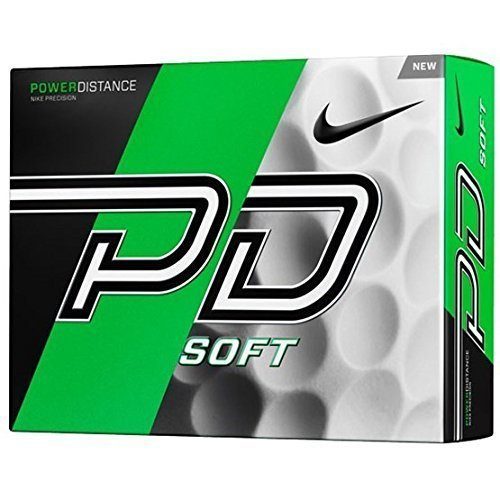
Pros
- Soft low compression core
- Aerodynamics
- 314 dimple design
Cons
- Could come in more colors options
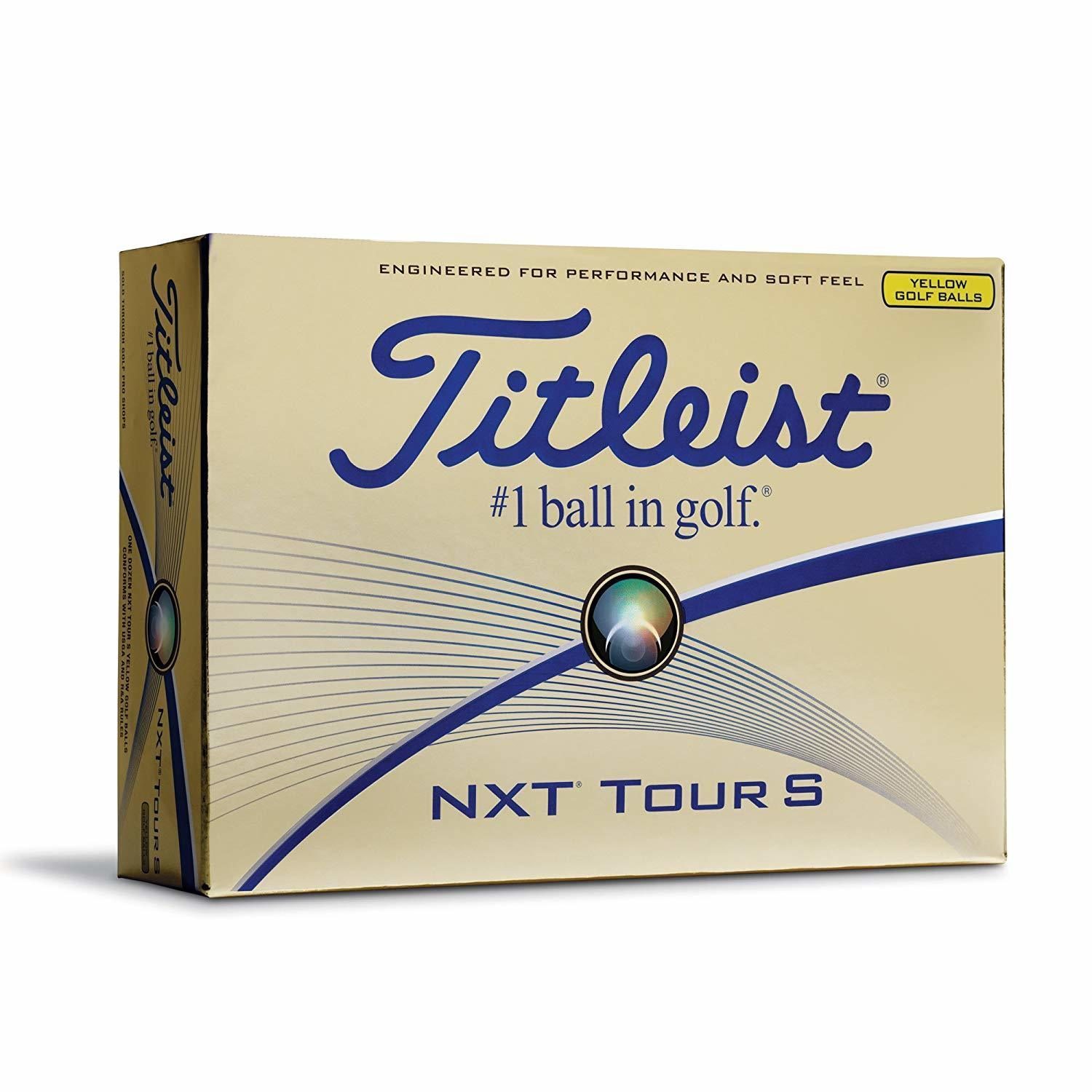
Pros
- Soft, low compression
- Resilient core
- Durable
Cons
- Expensive, comparatively
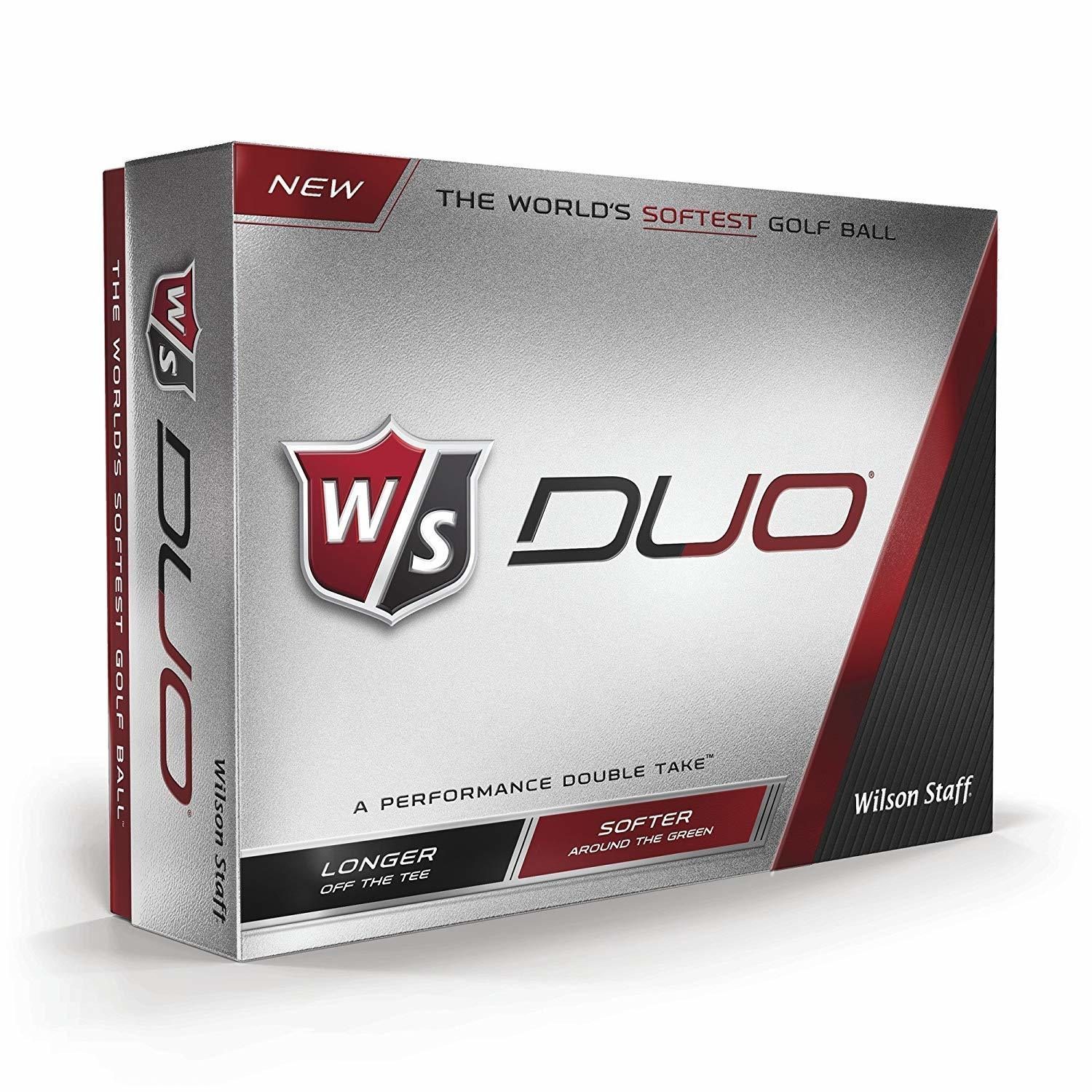
Pros
- 29 compression core
- 2 piece ball
- Personalization option
Cons
- Might not have the best spin for all players
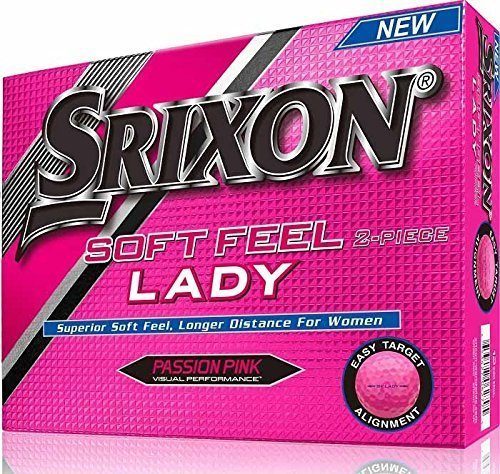
Pros
- Optimum flight
- Exterior ionomer layer
- Alignment aid
Cons
- None really
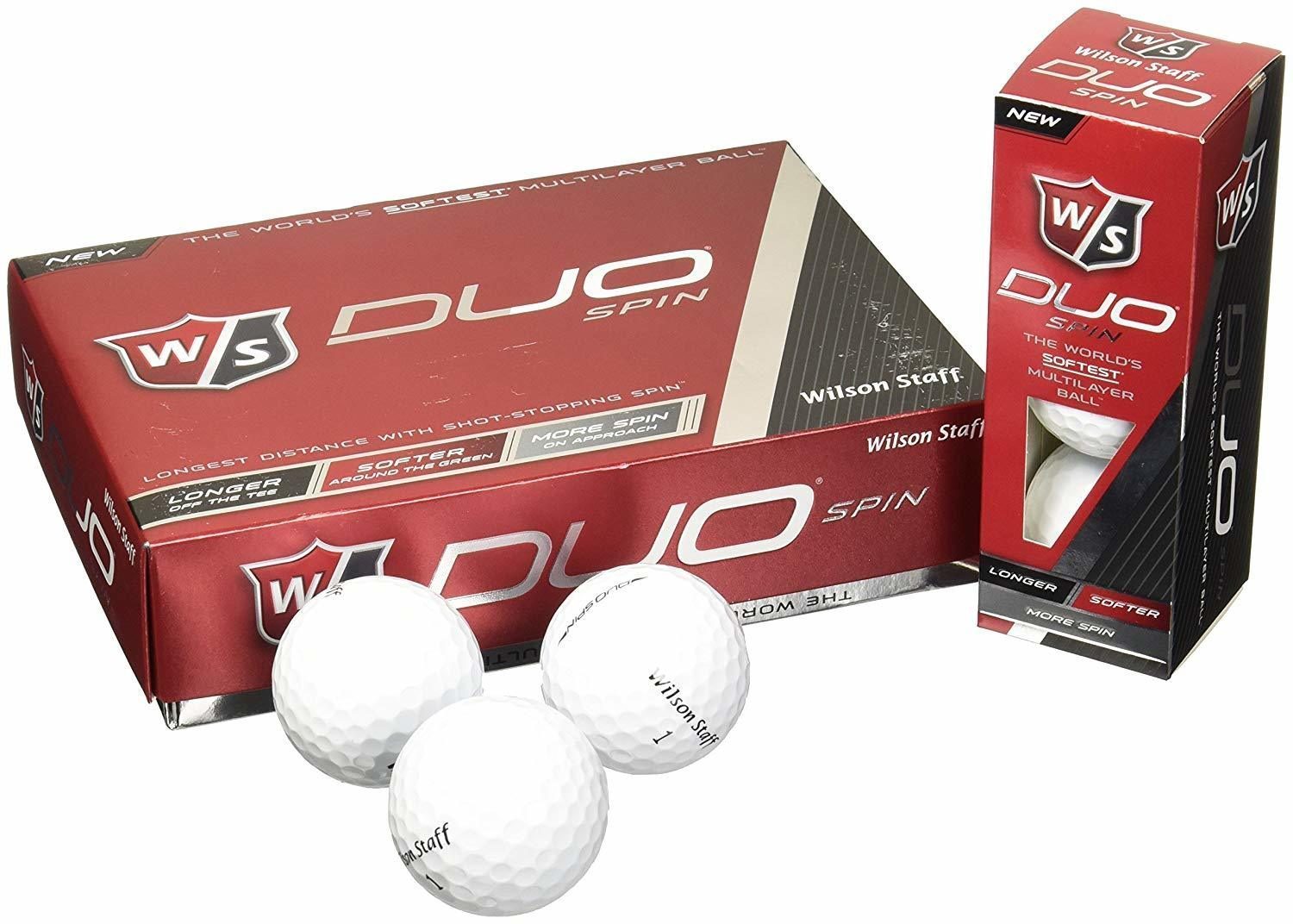
Pros
- 3 piece ball
- Soft feel and low spin
- DuPont HPF inner layer
Cons
- Might not be the most long lasting golf balls
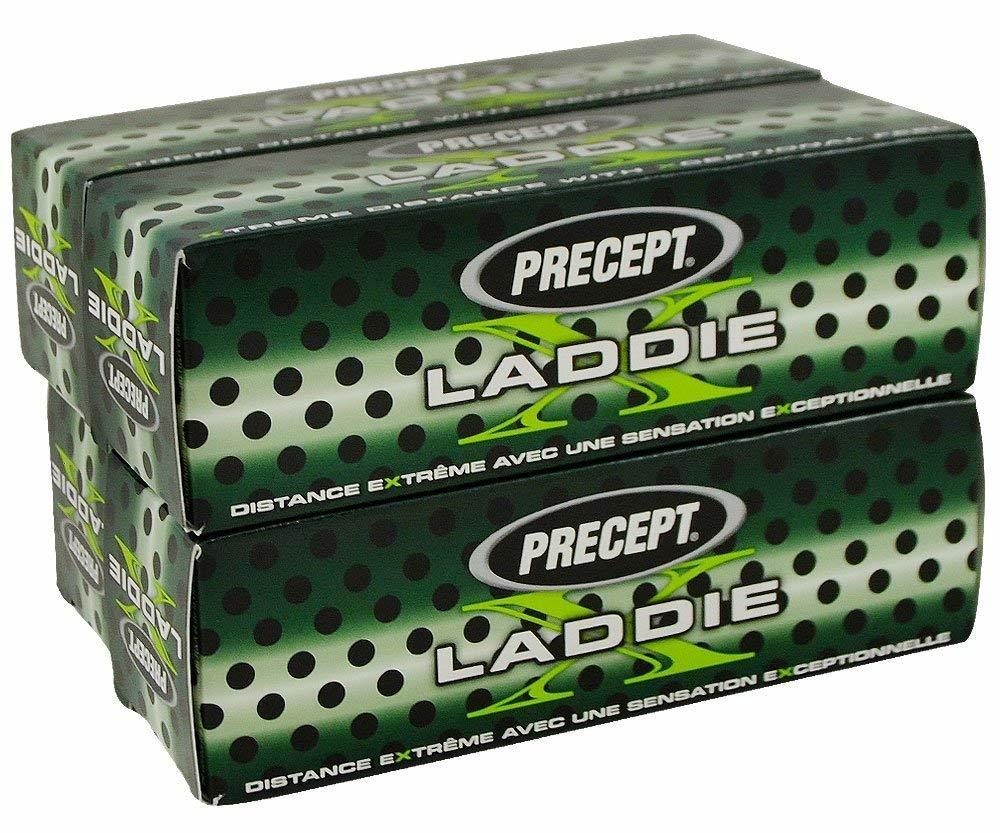
Pros
- 2 piece ball
- Muscle-fiber core
- Ionomer cover
Cons
- Not the most high quality golf ball
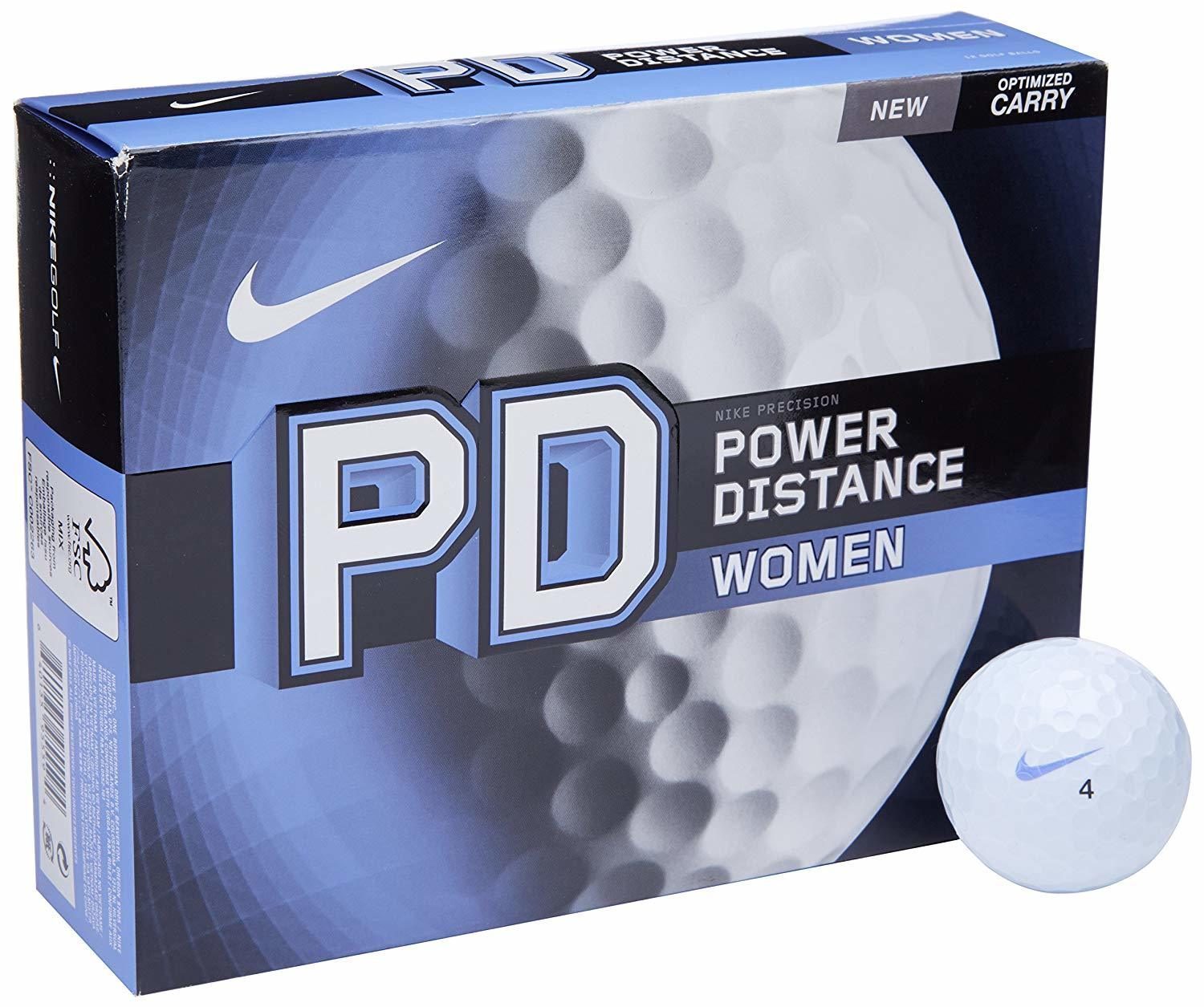
Pros
- Softer feel
- Exceptional distance
- 2 piece ball
Cons
- Some might think the distance is lacking
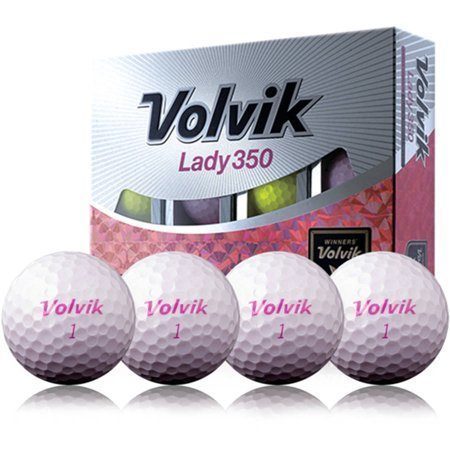
Pros
- 3 piece ball
- Ionomer cover
- 350 dimple design
Cons
- A tad expensive
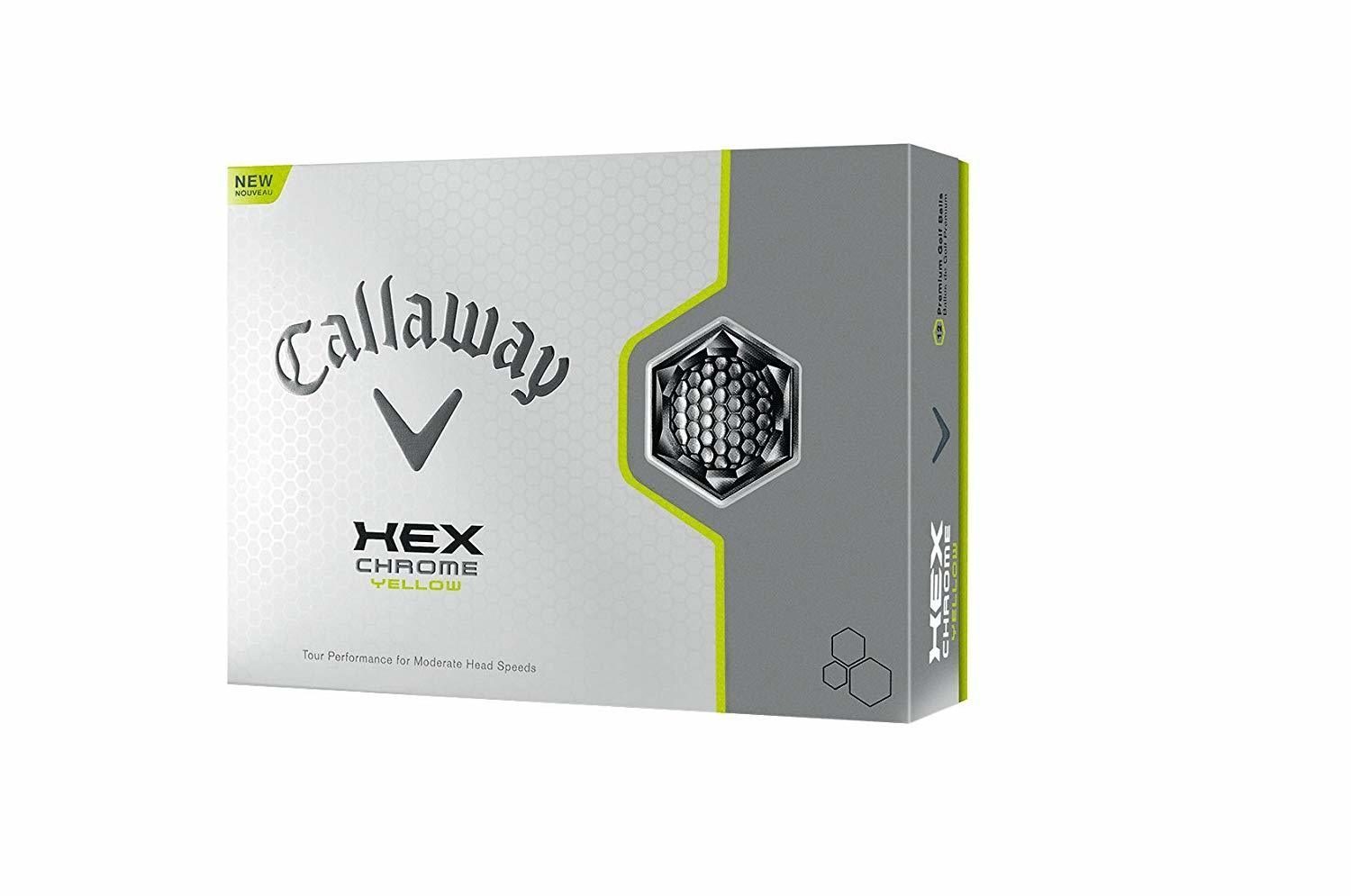
distance
Pros
- 3 piece ball
- HEX aerodynamics technology
- Yellow color
Cons
- Not the most long lasting cover
Cover image artificially generated for illustrative purposes.