
Best Driver for Left-Handed Players in 2026
Some links on this page are affiliate links. As an Amazon Associate, GolfThis earns from qualifying purchases at no extra cost to you.
You find the driver you want. Every review calls it the most forgiving head the brand has made this year. Then you filter by left-handed and the loft options disappear, or the whole model does. That’s not a website glitch. Left-handed golfers are a genuinely smaller slice of the driver market, and manufacturers decide which lofts and shaft combinations to build left-handed based on that smaller number.
That changes how you should shop for one. A “best drivers” list that never checks left-handed availability is really a list of products you might not be able to buy in your configuration. Every driver below, we confirmed sold as a left-handed listing this week rather than assumed from the right-handed version’s reputation. A few well-known 2026 drivers didn’t make the cut for exactly that reason: strong right-handed reviews, no left-handed listing we could find.
We weighted independent testing data where it exists, confirmed left-handed availability across more than one retailer, and a spread of price and skill level rather than eight versions of the same forgiving game-improvement head. A driver that tests brilliantly but only ships left-handed through one small retailer’s used inventory is a harder recommendation than a slightly less exciting driver you can actually get fit for at a chain store.
How we picked: We don’t claim to have hit every club here. These picks come from manufacturer specs, independent testing data, and aggregated feedback from golfers playing them. Every driver listed here is confirmed available in a left-handed configuration. Where we’ve had a club in hand, we say so.
This is part of our 2026 driver series, alongside Best Golf Drivers in 2026 and Best Game Improvement Drivers in 2026. Jump to the comparison table if you just want the picks.
Best Driver for Left-Handed Players in 2026 Comparison Table
| Driver | Best For | Loft Options (LH) | Price |
|---|---|---|---|
| TaylorMade Qi35 Max | Maximum forgiveness | 9°, 10.5°, 12° | $$$$ |
| TaylorMade Qi35 LS | Lower handicaps wanting low spin | 9°, 10.5° | $$$$ |
| Callaway Elyte X | Distance with a draw bias | 9°, 10.5° | $$$$ |
| Callaway Elyte Triple Diamond | Better players, tour shape | 8°, 9°, 10.5° | $$$$ |
| Cobra Darkspeed X | Mid handicaps, value against the big three | 9°, 10.5°, 12° | $$$ |
| Srixon ZXi | Budget-minded forgiveness | 9°, 10.5°, 12° | $$$ |
| Ping G440 SFT | Slice correction | 9°, 10.5° | $$$ |
| Powerbilt TPS Supertech | Tight budget, first driver | 10.5° | $ |
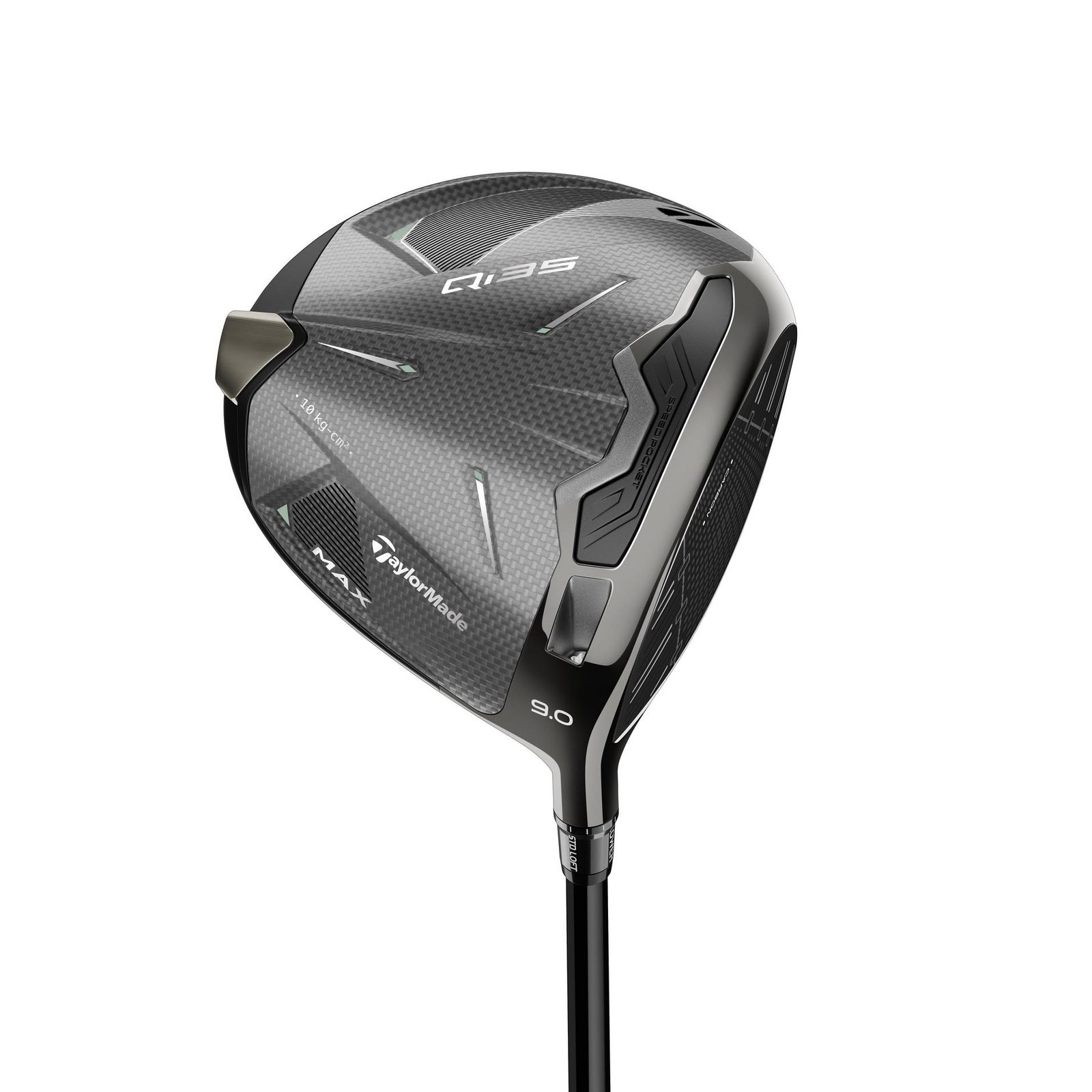
1. TaylorMade Qi35 Max
The Qi35 Max is TaylorMade’s forgiveness-first head for 2026, built around a 10K MOI target and a low, deep center of gravity that gets the ball airborne even on a mis-hit toward the heel or toe. It keeps the Twist Face and Speed Pocket from prior generations instead of reinventing them.
TaylorMade lists the Max in 9°, 10.5°, and 12° for left-handed players, the full spread most golfers would want, and we found it stocked left-handed at multiple retailers rather than one lone listing. That breadth matters more than it sounds: several drivers on this list had to drop a loft or two to make our confirmed column.
It is priced at the top of the market, and a golfer who already strikes the ball consistently in the center of the face will not get much extra benefit from the forgiveness this head is built around.
Who should skip it: Better players who already control dispersion well. The Qi35 LS below gives up some forgiveness for more shot-shaping control.
2. TaylorMade Qi35 LS
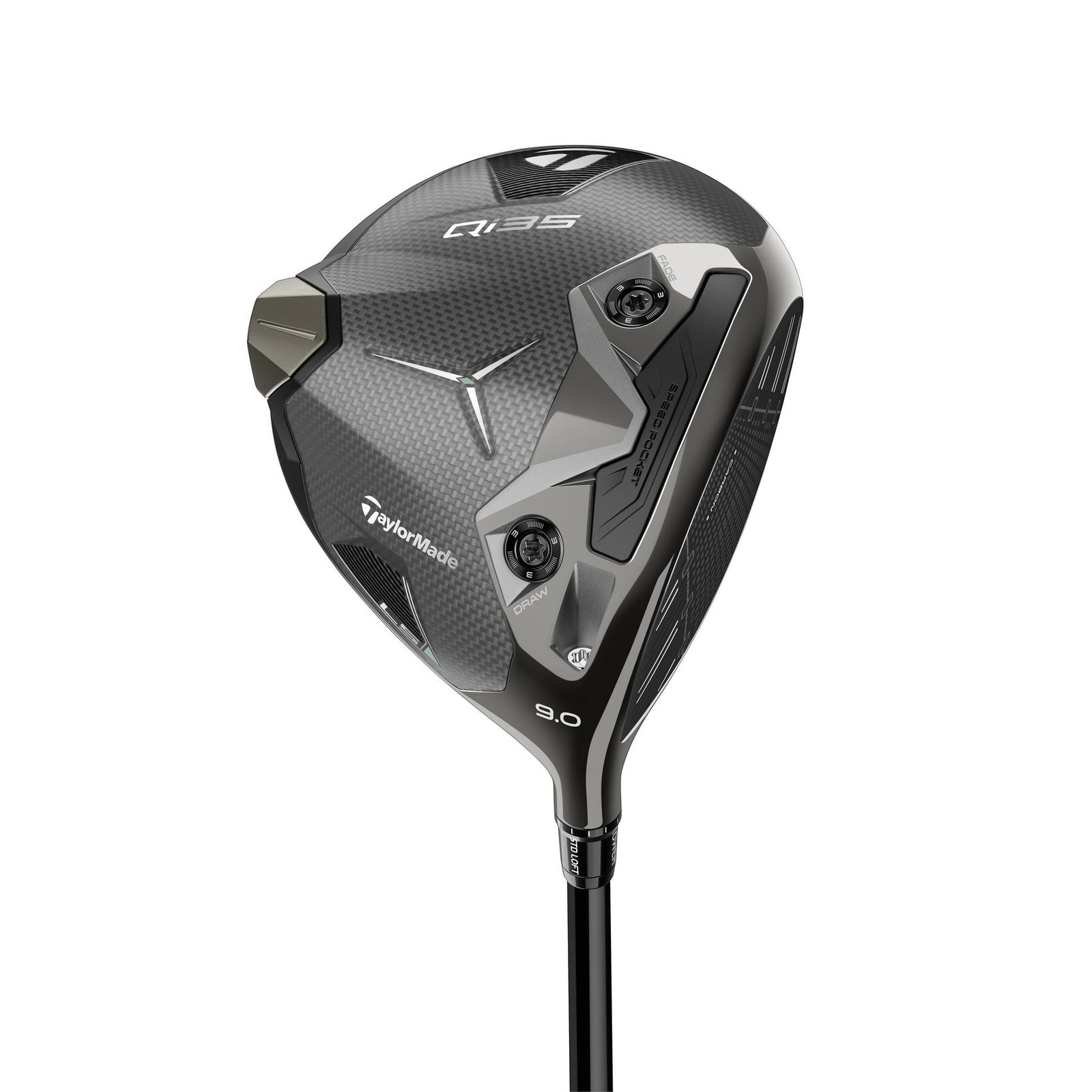
The LS drops the Max’s oversized forgiveness bias for a lower-spin, more compact profile built for faster swing speeds and players who want to work the ball. It shares the Max’s Twist Face and Speed Pocket, but the weighting sits further forward, so spin comes down at the cost of some off-center forgiveness.
TaylorMade’s own testing data and independent reviews consistently place the LS among the lowest-spinning heads in this generation. That’s the whole reason a low-handicap left-handed player would pick it over the Max.
Left-handed availability tops out at 9° and 10.5°, a degree short of the Max’s 12° option. A brand’s lower-volume, better-player head tends to get a narrower left-handed run than its mainstream sibling, and this is a good example.
Who should skip it: High handicappers and slower swing speeds. Lower spin without the swing speed to support it costs you carry distance rather than adding it.
3. Callaway Elyte X
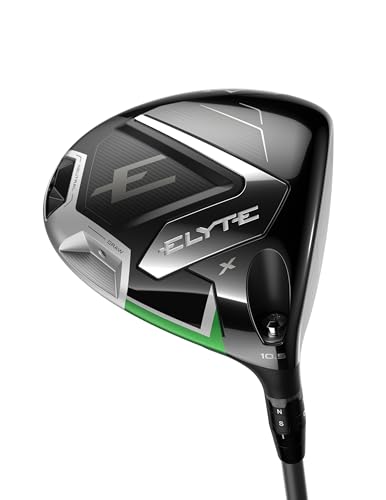
The Elyte X is Callaway’s game-improvement head for 2026, built around a lower crown profile for aerodynamics and a discrete weighting system with neutral and draw settings. The draw setting shifts weight toward the heel, which squares a face that arrives open, a common miss for golfers who never fully groomed their swing path.
We confirmed the Elyte X left-handed in both 9° and 10.5°, sold new directly rather than only through used-club channels. Not every entry on this list can say that. Reviewers describe the forgiveness as a real step up from Callaway’s prior-generation Paradym line, with a noticeably larger effective hitting area.
The tradeoff for that forgiveness is workability. A player who wants to shape shots on demand will find the head’s built-in draw bias fighting that intention rather than helping it.
Who should skip it: Golfers who intentionally shape both fades and draws. The draw bias is a help if your miss is a slice and a hindrance if it isn’t.
4. Callaway Elyte Triple Diamond
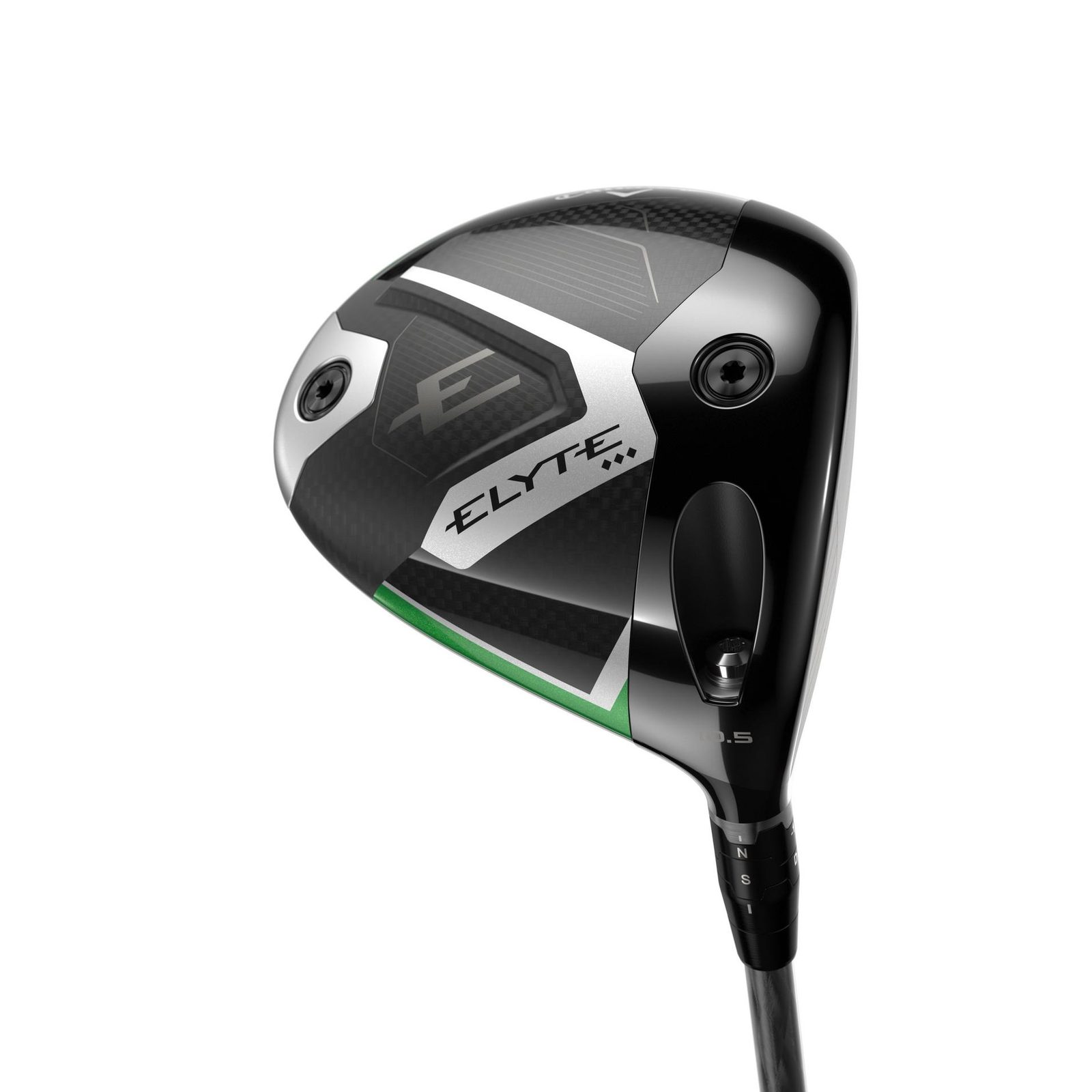
The Triple Diamond is Callaway’s tour-inspired shape, the head most of its tour players actually put in play. It trades some of the Elyte X’s forgiveness for a smaller profile and more neutral shot shape. Callaway’s Ai10x face technology carries over from the rest of the Elyte line, so speed and launch stay close, but the compact head asks more of the golfer swinging it.
Independent coverage of the Elyte lineup has consistently placed the Triple Diamond among the lower-spin, better-player options in the field, matching who Callaway built it for.
Left-handed stock reaches down to 8°, a loft most game-improvement heads on this list skip entirely. This one is aimed at faster swing speeds from the start.
Who should skip it: Mid and high handicappers. The smaller head and neutral bias remove forgiveness this group generally needs.
5. Cobra Darkspeed X
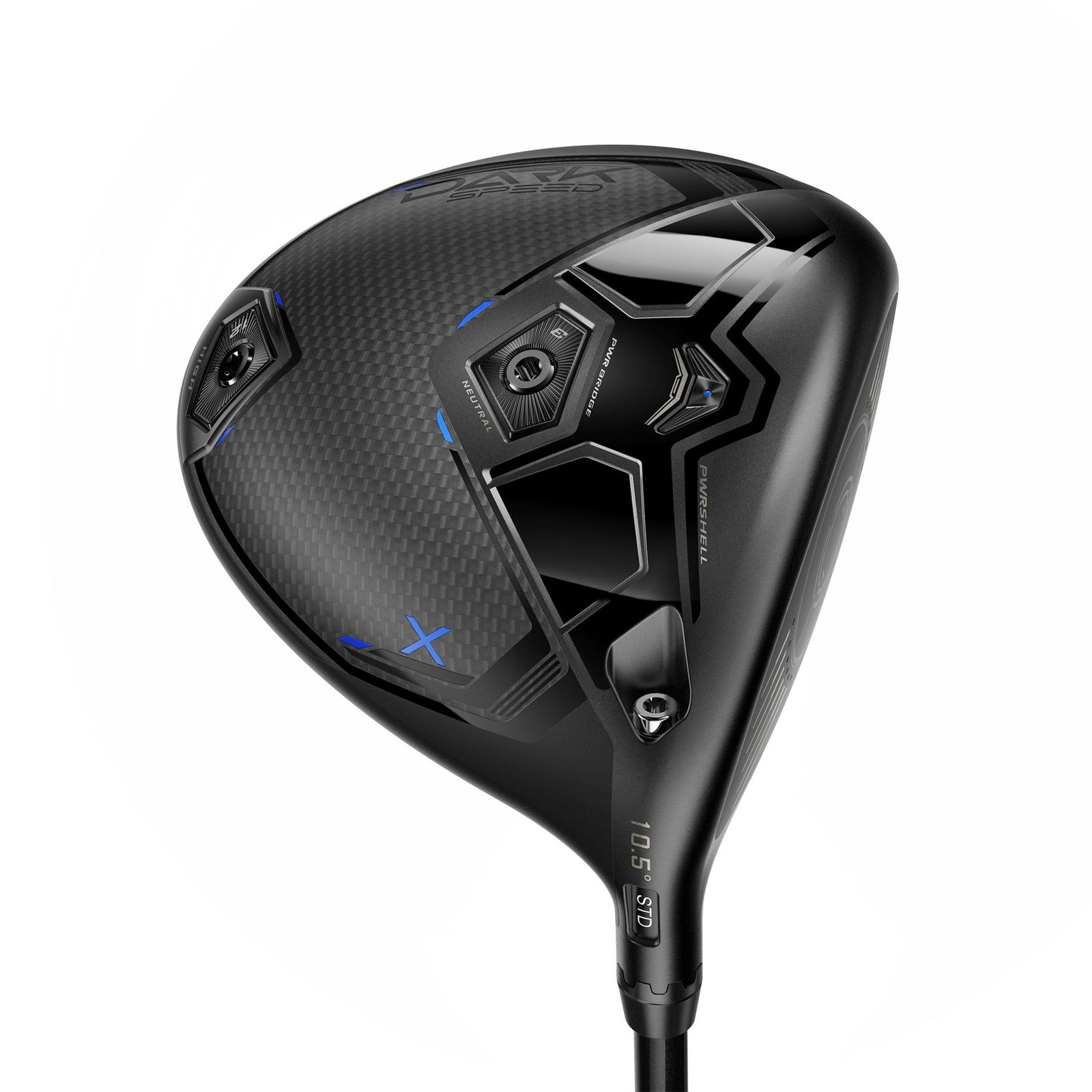
Cobra’s Darkspeed X sits in the same performance tier as the TaylorMade and Callaway options above at a noticeably lower price. It’s built around a PWRSHELL L-cup face Cobra sized 10 percent larger than its prior generation to add ball speed across more of the surface, aimed at tour and low-to-mid handicap players who want a fast, forgiving head without the low-spin bias of a true player’s driver.
Cobra’s H.O.T. Face design and forward PWR-BRIDGE weighting run across the whole Darkspeed family. Testing coverage has generally rated the X as competitive with the bigger three brands on ball speed, if a step behind on total forgiveness.
We confirmed left-handed stock in the full 9°, 10.5°, and 12° range at multiple retailers, putting it in the same availability tier as the TaylorMade Qi35 Max rather than the more limited siblings on this list.
Who should skip it: Golfers who have already been fit into a premium head and are shopping on brand loyalty rather than price. This is a value pick, not a status pick.
6. Srixon ZXi
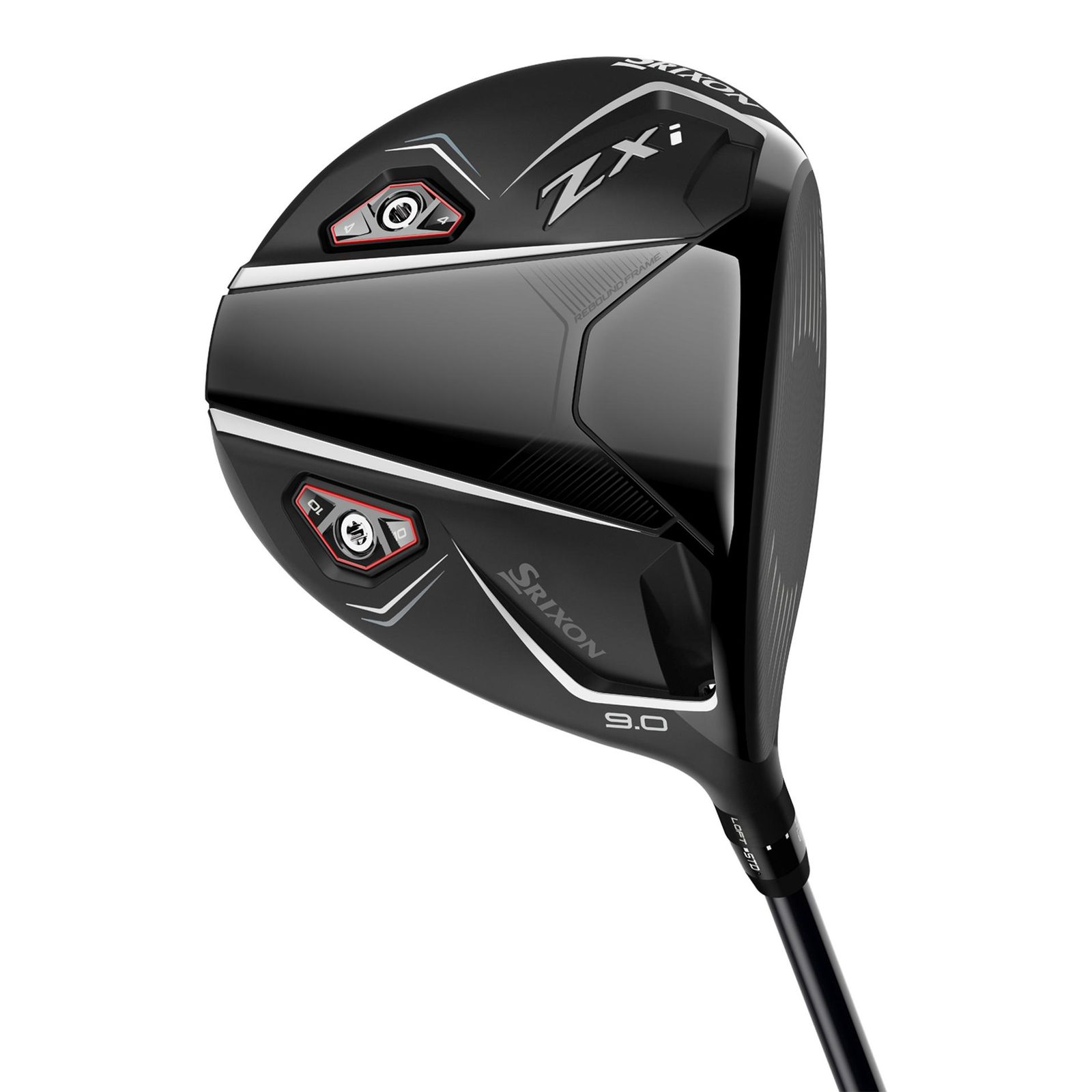
Srixon’s ZXi driver uses a two-zone Rebound Frame built to flex more efficiently across the face than a single flex zone, paired with laser face milling meant to hold spin consistency in wet conditions. It’s a mid-market head that rarely gets the marketing budget of the big three brands, and the price reflects that far more than the engineering does.
Reviewers who have tested the ZXi generally describe it as competitive on forgiveness with pricier game-improvement heads, and the adjustable front and rear sole weights let a fitter dial in spin without a premium price tag attached.
We confirmed left-handed availability across the full 9°, 10.5°, and 12° range, sold new. Srixon’s left-handed distribution has historically lagged the biggest brands, so this full spread is worth noting rather than assumed to hold every model year.
Who should skip it: Golfers who specifically want a name-brand resale value. Srixon holds value less predictably on the used market than TaylorMade, Callaway, or Titleist.
7. Ping G440 SFT
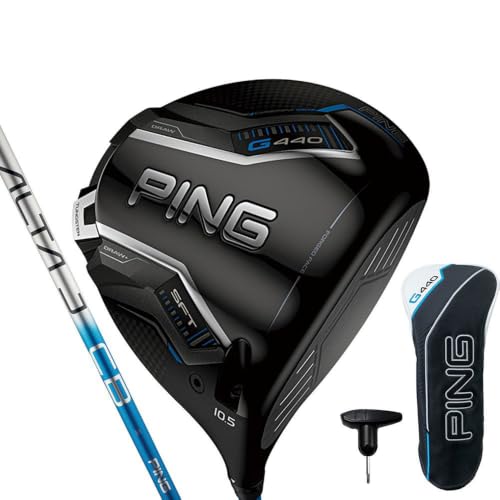
The G440 SFT is Ping’s dedicated slice-correction driver, built with a heavier draw-and-draw-plus adjustable back weight and a thinner, deeper-CG face than the standard G440. If a left-handed golfer’s miss is a consistent slice rather than an occasional one, this is the head we’d point them to first, because the SFT’s whole design commits to correcting that one shot shape.
Golf Digest’s testing of the G440 lineup has repeatedly praised Ping’s fitting depth across the family, and the SFT’s draw bias runs stronger than the Elyte X’s, which makes it the better pick for a bigger slice.
Here’s the honest complication: every left-handed G440 SFT listing we could verify this week was sold as certified pre-owned or “very good” condition, not new-in-box. That’s common for Ping, whose left-handed inventory tends to move through secondary and certified channels more than direct retail, and a pre-owned Ping in good condition is a legitimate way to buy the brand. It isn’t the same as ordering a new club custom-fit to your specs, though, so factor that in.
Who should skip it: Golfers who want a brand-new club with full warranty and custom-fit options at purchase. Look at the Callaway Elyte X or Cobra Darkspeed X instead if that matters to you.
8. Powerbilt TPS Supertech
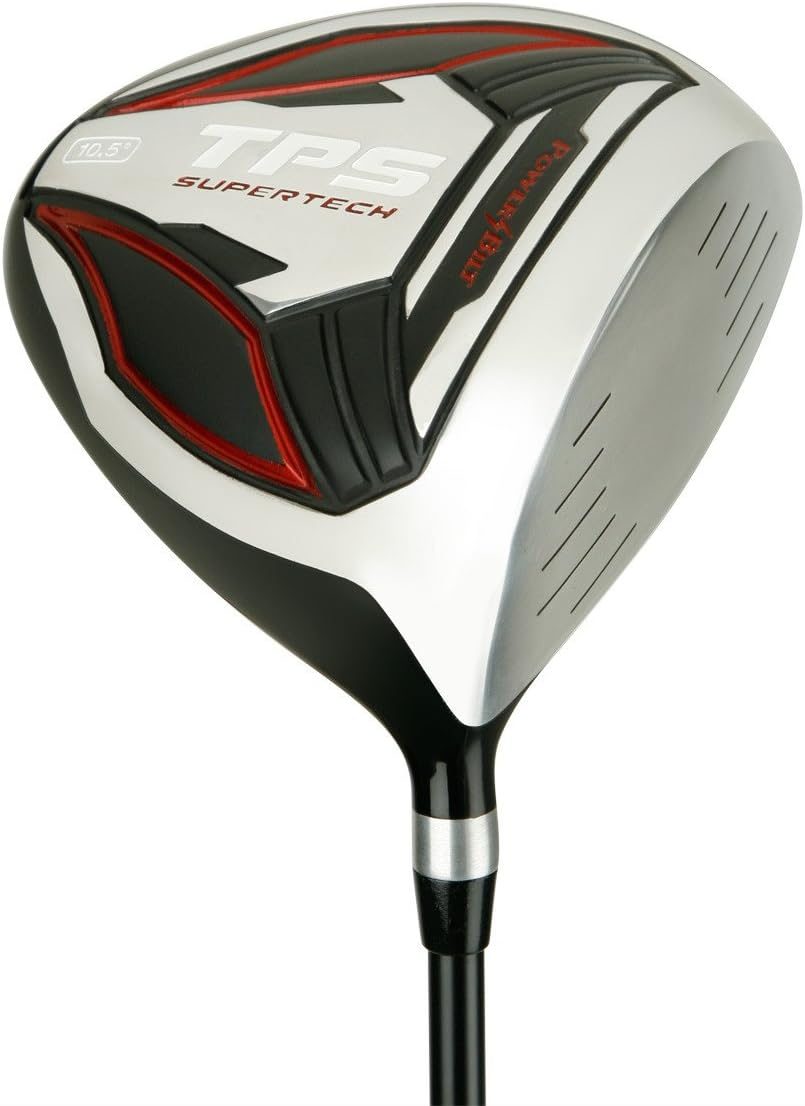
The Supertech is the budget pick on this list by a wide margin, an offset 460cc head aimed squarely at beginners and high handicappers rather than at competing with the technology in the seven drivers above it. Powerbilt builds it with a thinner crown to push weight into the sole for forgiveness, and the offset hosel helps square a face that tends to arrive open, the same problem the Ping SFT solves with internal weighting instead.
Independent testing outlets like MyGolfSpy or Golf Digest don’t cover this driver in their annual roundups, since it competes on price rather than performance, so there’s no robot-test data to cite here. What we can say is that it’s a genuinely available, inexpensive way for a beginning left-handed golfer to get a full-length, offset, forgiving head without paying premium-brand prices while they find out whether they’ll stick with the game.
Left-handed stock is limited to a single 10.5° loft, the narrowest offering on this list. That’s the tradeoff for a driver built to a budget rather than a full lineup.
Who should skip it: Anyone with a swing speed or handicap level that would benefit from a fitted, adjustable premium driver. This is a starter club, not a long-term gamer for an improving player.
Frequently Asked Questions
Why do left-handed golfers have fewer club options?
Roughly 10 percent of golfers play left-handed, and manufacturers build stock inventory to match demand. A driver line typically ships in three or four head variants across multiple lofts and shaft flexes, and the low-volume combinations get cut first when a company decides which SKUs are worth stocking left-handed. The result is that a driver's most extreme or specialized version, an 8-degree tour head or a niche shaft, is the one most likely to skip a left-handed run entirely, while the mainstream mid-loft version usually makes it.
Should a left-handed golfer expect to pay more for the same driver?
Not usually at list price. Manufacturers price left- and right-handed heads the same. Where the cost shows up is in used and discounted inventory: right-handed clubs flood the secondhand market so heavily that discount pricing is more aggressive there, while left-handed used inventory is thinner and holds its price longer. Buying new, expect no premium. Buying used or during a clearance sale, expect the left-handed version to be the pricier find.
Can a left-handed golfer just use a right-handed driver reversed?
No. A golf clubhead is not symmetrical. The face angle, the weighting, and the hosel are all built for one swing direction, and a driver's face is bulged and rolled specifically to correct mis-hits for a swing coming from one side. There is no reversing a driver the way you might a kitchen tool. Left-handed golfers need left-handed heads, full stop.
The Bottom Line
If you can find a fitting cart with left-handed demos, start with the TaylorMade Qi35 Max or Callaway Elyte X. Both are confirmed available across a full loft range and both test near the top of their category. If your miss is specifically a slice, the Ping G440 SFT corrects it harder than either, though you’ll likely be buying it certified pre-owned rather than new. If budget is the real constraint, the Cobra Darkspeed X gets you into the same performance tier as the premium brands for less money, and the Powerbilt Supertech is an honest way to start the game without overspending on a swing you’re still building. None of these are what was left over after the good stuff sold out. They’re what we could actually verify you can buy.
See our full Best Golf Drivers in 2026 roundup for the field without the left-handed filter, or Best Game Improvement Drivers in 2026 if forgiveness matters more to you than handedness-specific availability.
Cover image artificially generated for illustrative purposes.