
Best Junior Golf Clubs in 2026
Some links on this page are affiliate links. As an Amazon Associate, GolfThis earns from qualifying purchases at no extra cost to you.
Your kid is 7, or 11, or 14, and you’re standing in a golf shop trying to match a birthday to a box that says “Ages 8–12.” That number on the packaging is doing less work than it looks like. A tall 8-year-old and a small 11-year-old can need the exact same clubs, and a set sized for the wrong one turns every swing into a fight against equipment that’s too heavy, too long, or too stiff to load properly.
Every junior brand worth buying has already solved this by sizing to height instead of age. The trouble is there are a dozen of them, at price points from $80 to $500, and the gap between the cheap ones and the expensive ones isn’t always where you’d expect.
We weighted these picks on four things: whether sizing is height-based rather than age-based, shaft weight and flex appropriate to a junior swing speed, whether the set includes enough clubs to actually play a hole (a driver, a hybrid or fairway wood, a short iron, a wedge, and a putter, at minimum), and value against the fact that your kid will outgrow this in a year or two.
How we picked: We don’t claim to have swung these ourselves. These picks come from manufacturer specs, independent testing including MyGolfSpy’s forum member reviews of junior sets, and aggregated feedback from parents and instructors. Where a set has an unusually strong or weak reputation with fitters, we say so.
Jump to the comparison table if you just want the shortlist.
This is an update to our original guide from 2018, which covered junior sets by age bracket rather than height.
Best Junior Golf Clubs in 2026 Comparison Table
| Set | Height Range | Pieces | Price |
|---|---|---|---|
| US Kids Golf Ultralight | 39“–66“ (9 sizes) | 5–8 | $$ |
| PING Prodi G | 4’5“–5’2“ (custom-fit) | 5–9 | $$$ |
| Callaway XJ Series | 42“–57“ | 4–7 | $$ |
| Team TaylorMade Junior | 39“–59“ (3 sizes) | 4–11 | $$$ |
| Tour Edge Hot Launch HL-J | Ages 3–14 (5 sizes) | 5–8 | $$ |
| Stix Junior 5-Club Set | 55“–60“ | 5 | $$ |
| Cleveland Golf Junior Set | 36“–63“ (3 sizes) | 3–7 | $$ |
| Wilson Profile JGI | 44“–63“ (custom-fit) | 6 | $ |
1. US Kids Golf Ultralight (UL7)
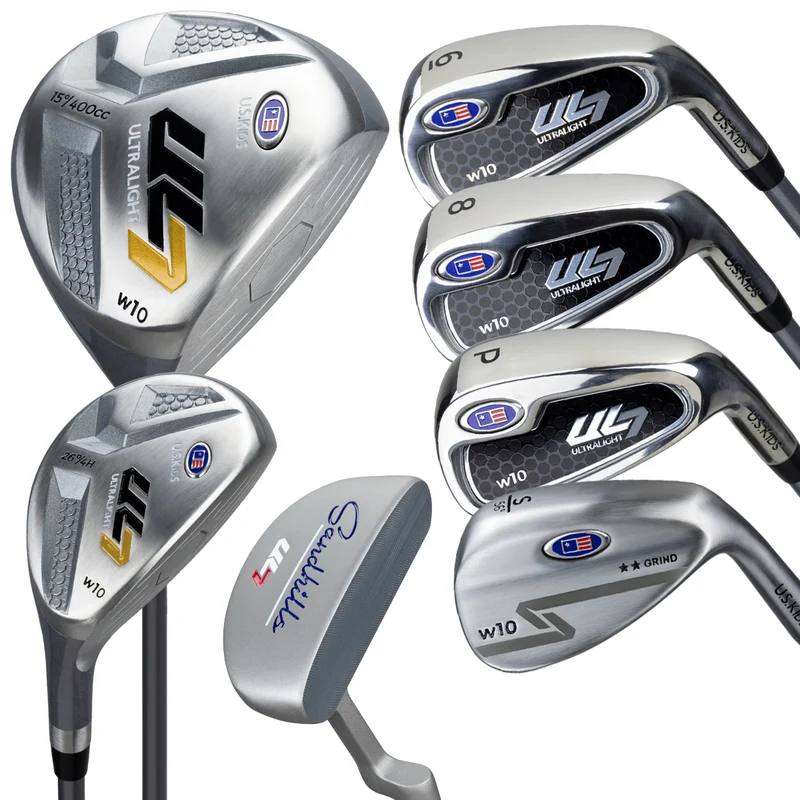
US Kids Golf built its business on fitting the club to the body, not the birthday. The Ultralight line runs nine sizes from 39 inches to 66 inches, so a set exists for a genuinely small child instead of the industry’s usual jump straight to “youth.”
The name says it plainly: heads and shafts cut lighter than standard junior clubs, for kids who don’t yet have the strength to load a heavier shaft on the downswing. It’s why US Kids sets turn up so often in junior programs and PGA Junior League.
Nine sizes means precise fitting. Measure carefully and buy close to the current height rather than sizing up for room to grow. A set bought two sizes too big defeats the purpose of an ultralight build.
Who should skip it: Parents who want one set to last three years. The tight size bands mean a resize sooner than a broader-range competitor.
2. PING Prodi G
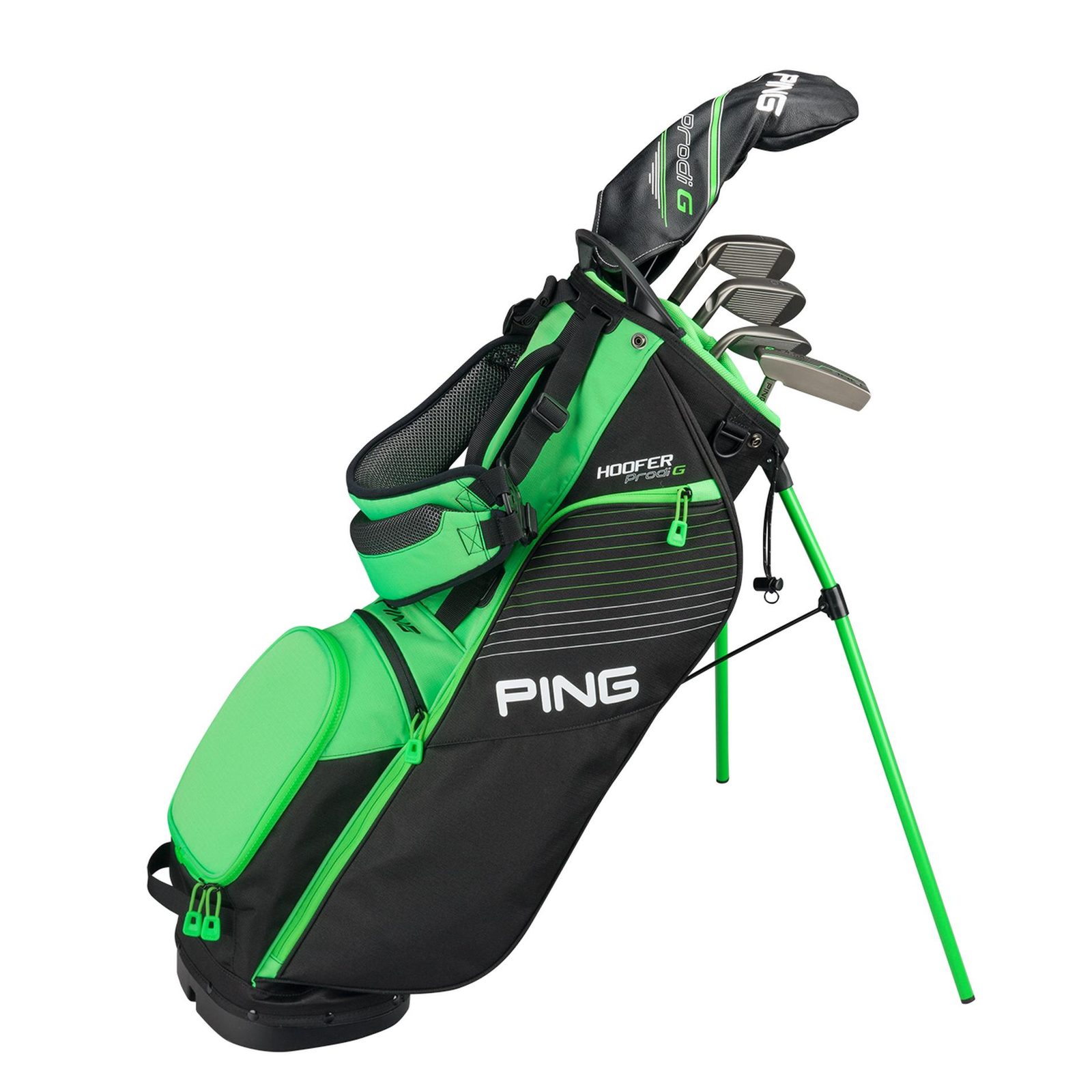
PING’s junior line works the way its adult custom fitting does: height and arm length feed a fitting chart, which outputs a specific shaft length and weight rather than a size label. It’s aimed at kids roughly 7 to 13 years old, between about 4’5“ and 5’2“, the stretch where growth spurts hit hardest and off-the-rack sizing struggles most.
Buy five or more pieces in one order and PING’s Get Golf Growing program covers a one-time rebuild (relengthening, reshafting, reweighting, and regripping) at no charge as your kid grows into the next size. That changes the math on the higher upfront price, since you’re effectively buying two sizes of fitting for one purchase.
The set plays like scaled-down PING equipment: forgiving heads, a real hybrid instead of a token long iron, and a putter that isn’t an afterthought.
Who should skip it: Budget-first buyers. The custom-fit process and the Get Golf Growing rebuild add real value, but the entry price reflects that before any rebuild happens.
3. Callaway XJ Series
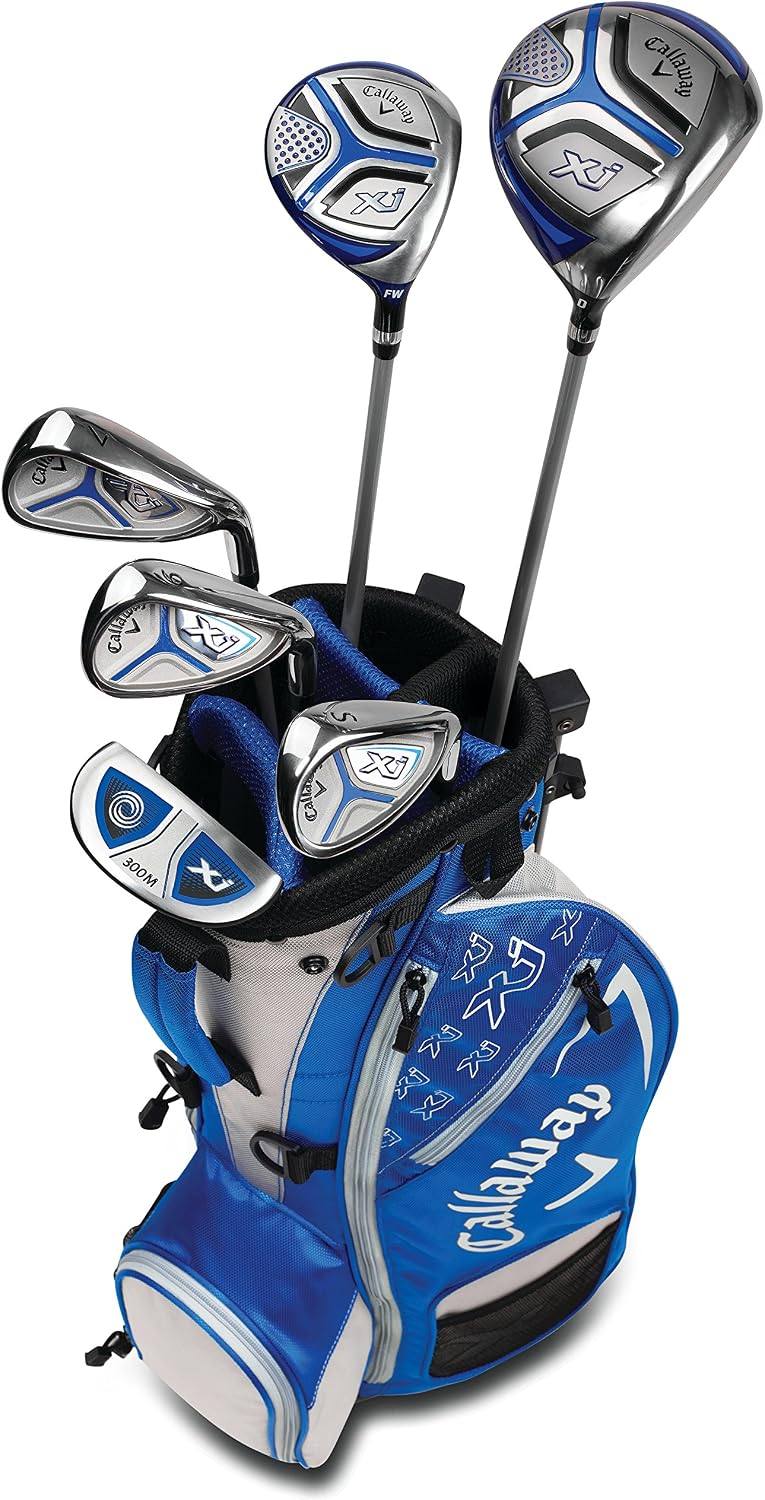
Callaway splits its junior line into three tiers by height: XJ1 for the smallest kids, up through XJ3 for players approaching 57 inches, and each tier adds clubs as the golfer’s game gets more serious. XJ1 is four pieces built for a first swing. XJ3 is a seven-piece set with a real hybrid and two irons, closer to a scaled-down adult bag.
The tiering is the point. A lot of junior sets try to cover a wide age range in one box and end up compromised at both ends. Callaway asks you to buy the tier that matches where your kid actually is, and to move up a tier rather than stretch one set across too many years.
Build quality sits a step below PING or TaylorMade’s junior lines, which shows up mostly in the stock grips and the driver’s forgiveness on a badly struck ball. For the price, that’s a fair trade.
Who should skip it: Kids who’ve already had lessons and are swinging consistently. The XJ line is built for first contact, not for a junior who’s outgrown “just make contact.”
4. Team TaylorMade Junior
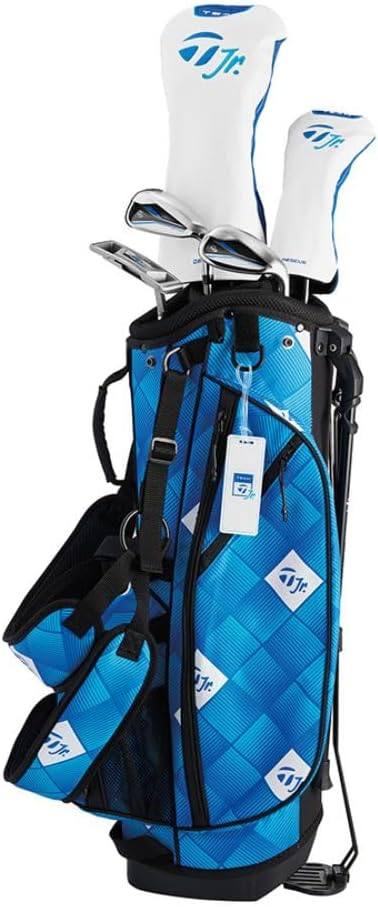
TaylorMade’s junior sets are designed by the same engineers who build the company’s tour equipment, and it shows in the driver: a 400cc titanium head with a flexible face, sized down but not simplified. It’s the set most likely to make a technically minded parent feel like their kid isn’t playing a toy.
Three sizes cover ages roughly 4 through 12, each with its own bag and club count, topping out at an 11-piece Size 3 set with a genuine hybrid, multiple irons, and a full short game. That’s more clubs than most kids this age need, but the set won’t get outgrown functionally before it’s outgrown physically.
It’s also the most expensive set on this list by a clear margin. The quality is real, but so is the price gap against Callaway or Tour Edge, for a kid who will, statistically, trade this set in within two years regardless of brand.
Who should skip it: Anyone buying a first set for a kid who hasn’t shown they want to keep playing. This is the set to buy once the interest is proven.
5. Tour Edge Hot Launch HL-J
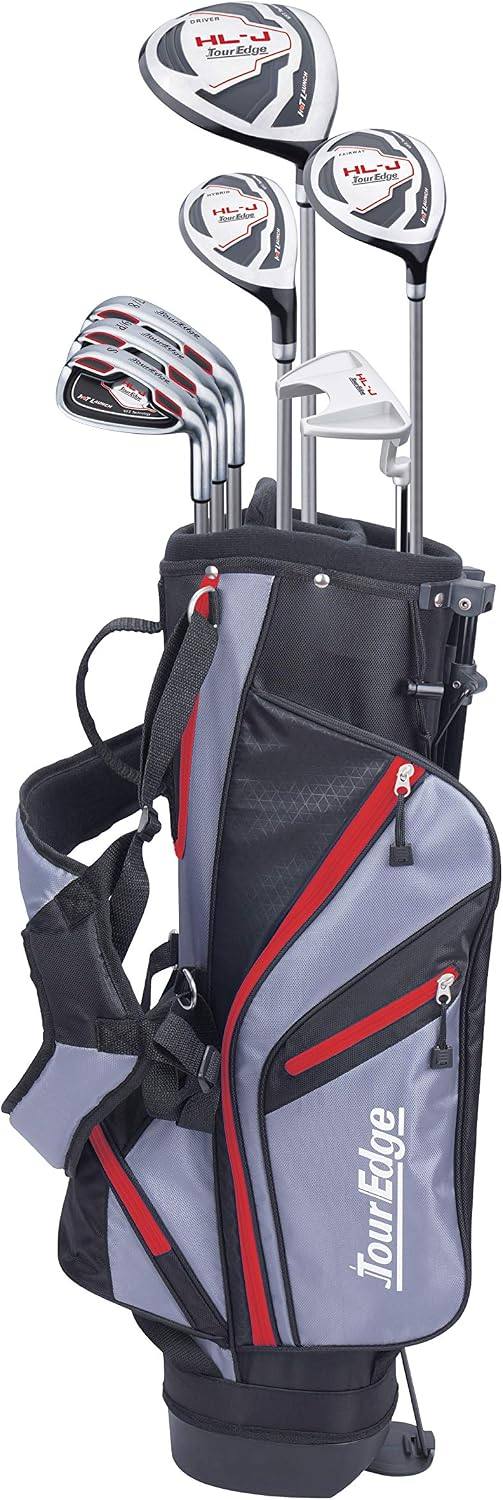
Tour Edge’s junior line runs five height-based sizes from roughly age 3 through 14, each with a 350cc high-MOI driver, a compact fairway wood and hybrid, oversized forgiving irons, and a mallet putter with alignment lines that actually help a beginner aim. It’s a complete bag at every size, not a stripped-down starter kit that skips the hybrid.
The real edge is the warranty. Tour Edge backs junior clubs with the same lifetime warranty as its adult lines, and that matters more here than almost anywhere else in golf. Junior clubs get dropped, thrown in trunks, and generally treated worse than adult equipment.
Feel is where it gives something up against PING or TaylorMade. The forgiveness comes from size and perimeter weighting rather than more expensive face technology, so mis-hits go noticeably dead compared to the pricier sets.
Who should skip it: Kids already outscoring their peers. The forgiveness that helps a true beginner make contact starts working against a junior who’s ready to shape shots.
6. Stix Junior 5-Club Set
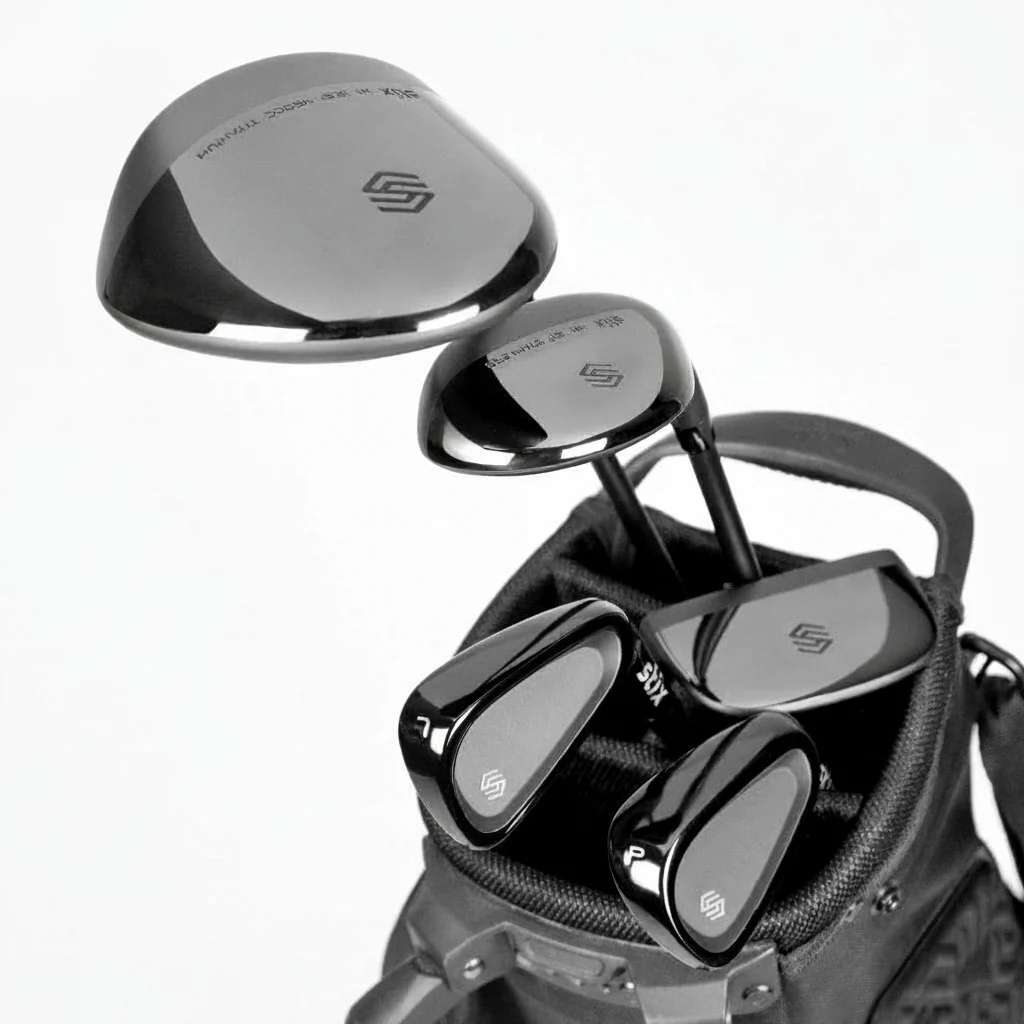
Stix sells direct rather than through pro shops, and the junior set reflects that: one set, sized by height rather than split into age tiers, for kids roughly 55 to 60 inches tall. Five clubs (driver, hybrid, 7-iron, wedge, putter) cover every shot a junior needs, without the padding of a second wedge or a 5-iron nobody hits well at that age.
MyGolfSpy forum testers who ran the set with junior golfers ranging from six to ten years old reported real, usable forgiveness and enough technology that a kid willing to put in the work could develop actual ball-striking, not just contact. That’s a stronger independent signal than most junior sets get.
Because it’s direct-to-consumer, there’s no dealer network for a proper fitting or a trade-in program the way PING or US Kids offer. You’re buying off the height chart on the website and living with the fit.
Who should skip it: Families who want an in-store fitting or a brand with a resale and trade-up program already built out.
7. Cleveland Golf Junior Set
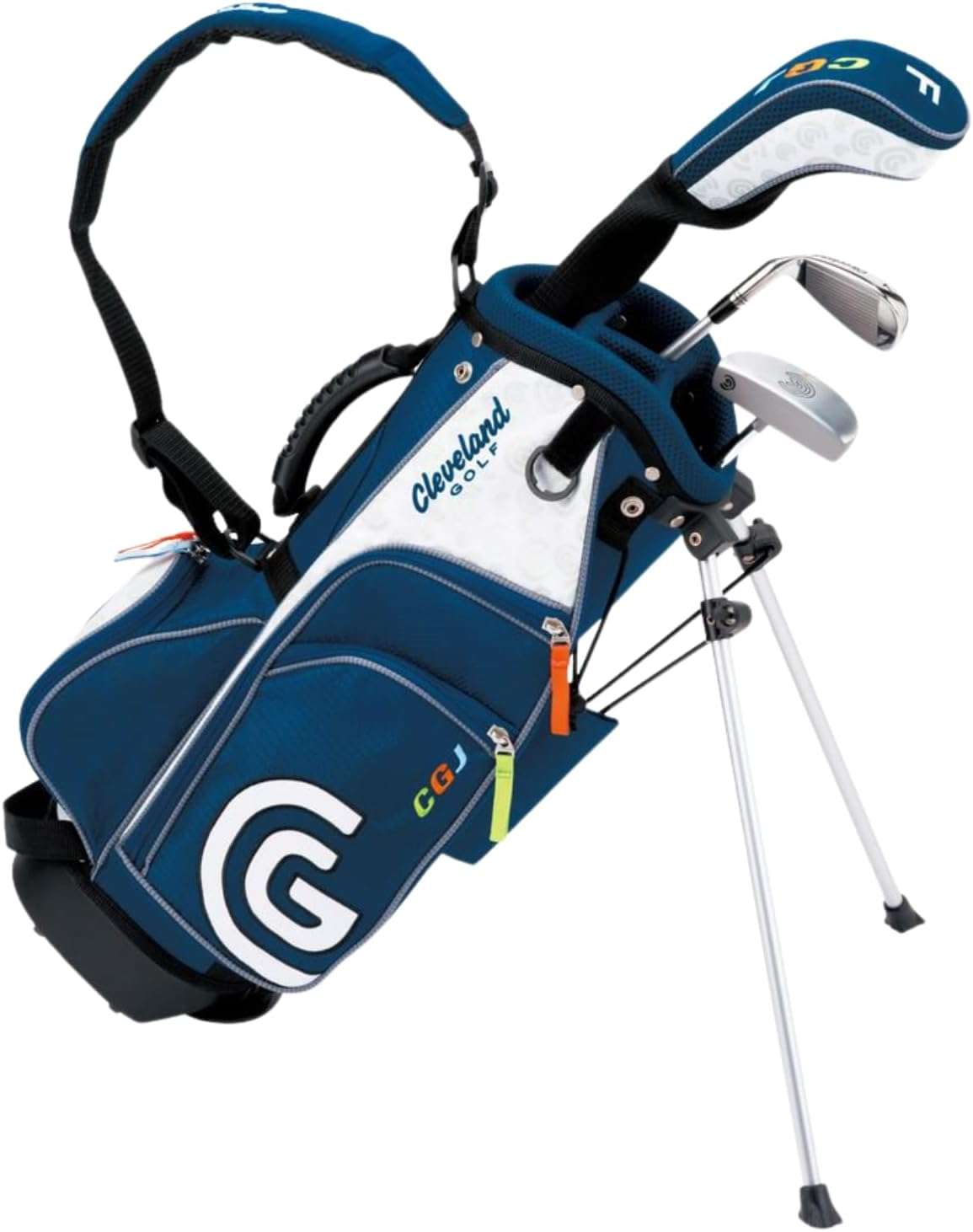
Cleveland’s junior line keeps it simple: three sizes, Small for ages 4 to 6, Medium for 7 to 9, Large for 10 to 12, each mapped to a height range so the age label is really just a starting guess. Small is a bare three-piece set: fairway wood, 7-iron, putter, for a kid who’s still deciding if golf is a thing they like. Large is a full seven-piece bag with driver, hybrid, two irons, wedge, and putter.
That range, from bare-bones to complete, makes it a sensible one-brand path through a kid’s early childhood: buying up sizes without switching brands or resourcing shaft flex each time.
The Small set in particular is worth calling out for what it isn’t: a toy. It’s short, but it’s a real cavity-back iron and a real fairway wood, not a plastic club sold at a big-box toy aisle.
Who should skip it: Anyone whose kid is already 10-plus and swinging hard. The Large set is competent but not the most technically advanced option at that size. PING or TaylorMade pull ahead there.
8. Wilson Profile JGI
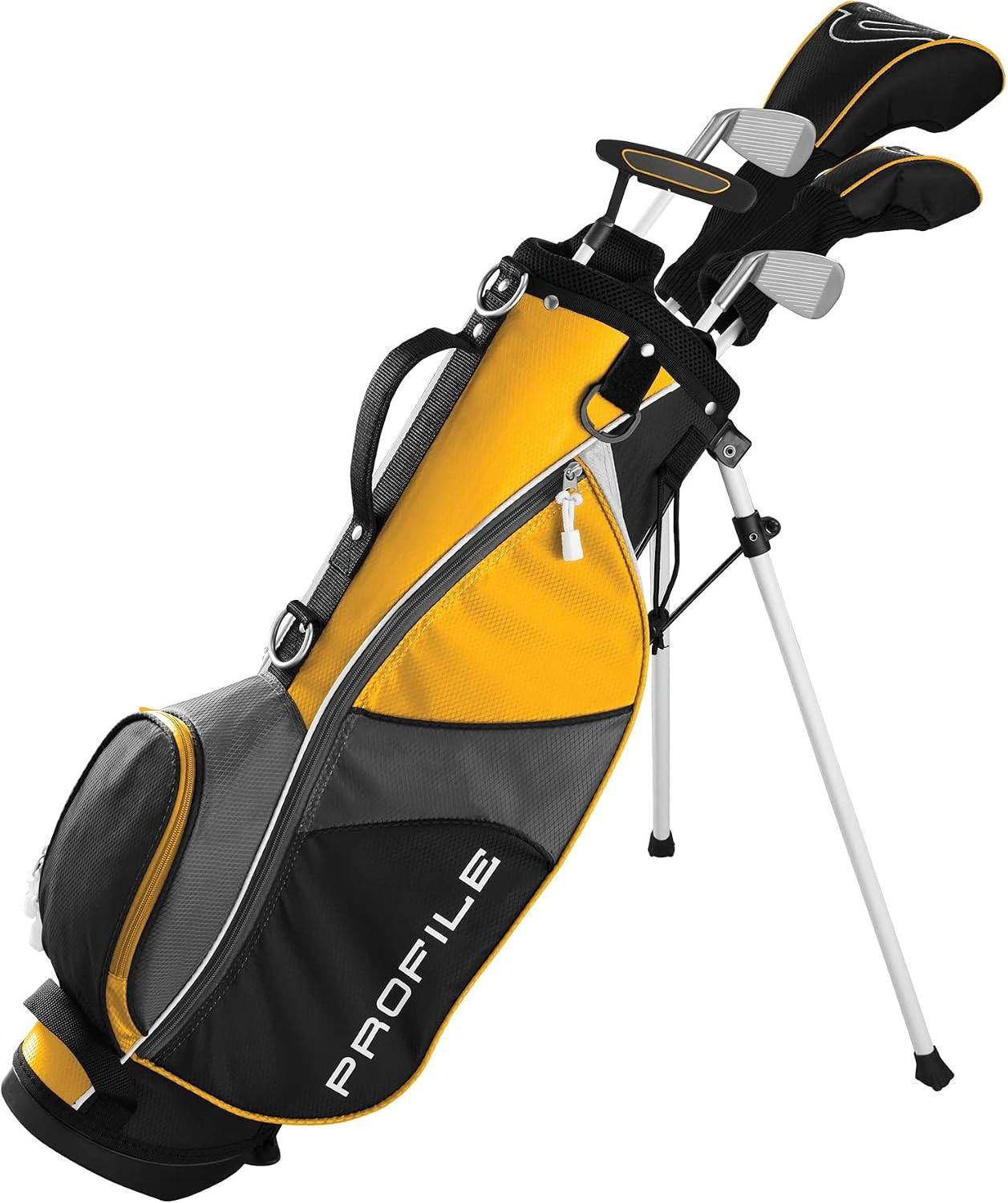
Wilson’s pitch is a “custom-fit-in-a-box” system: the set arrives with adjustable-length options so a fitter, or a patient parent with the online size guide, dials in club length without a separate fitting appointment. It covers a wide range, roughly 44 to 63 inches, across three overlapping sizes.
At this price, it’s the clearest budget pick here: six clubs, a stand bag, and head covers, for meaningfully less than the Callaway or Tour Edge equivalents. A few independent reviewers have noted the trade-off shows up in swing weight consistency across the size range. The largest size feels closer to a cut-down adult club than a true ultralight junior build.
For a family testing whether a kid will stick with golf past one summer, that trade-off is a reasonable one to make.
Who should skip it: Kids who’ve committed to the game and play regularly. Move up to a true ultralight build once the interest is confirmed.
Frequently Asked Questions
Should I buy junior clubs by age or by height?
Height, every time. Kids grow at wildly different rates, and every major junior brand sizes its sets by height ranges rather than birth year. Age numbers on packaging are a rough guide at best. Measure your kid and check the brand's own height chart before you buy.
Is it okay to cut down adult clubs for a kid instead?
No. A cut-down adult club keeps the adult shaft flex and swing weight, both wrong for a child's slower swing speed. It shortens the club without lightening it, so the kid is swinging something too heavy and too stiff to release properly. It's cheap, but it teaches compensations that are hard to unlearn later.
How often will I need to size up?
Junior golfers typically outgrow a set every 12 to 24 months during growth spurts, faster for younger kids. Buy toward the top of a listed height range rather than the middle if your child is growing fast, and expect the set below to get handed down or resold.
The Bottom Line
If you’re buying a first set and don’t know yet whether golf sticks, start with Cleveland’s Small or Callaway’s XJ1 — real clubs, real forgiveness, low enough cost that outgrowing it in a year doesn’t sting. If the interest is already proven, PING Prodi G earns its price with the rebuild program built in. Whatever you pick, size by height and buy again when the numbers say to, not when the clubs look small in the bag.
Cover image artificially generated for illustrative purposes.