
Best Drivers for Mid-Handicappers in 2026
Some links on this page are affiliate links. As an Amazon Associate, GolfThis earns from qualifying purchases at no extra cost to you.
Your good drives are fine. That is the thing most driver roundups get wrong about this handicap range: a 15 handicap who catches one flush hits it a long way, and buying a faster head does nothing for a shot that was already good.
What costs you strokes is the spread. Two drives in the middle of the face, one off the heel that leaks right, one off the toe that comes up forty yards short. The scorecard damage lives in that third and fourth ball, and the specification that addresses it is dispersion, not ball speed.
So we ranked on measured left-to-right spread from independent testing, then looked at ball speed second. That ordering produces a different list than most distance-led roundups, and it puts a driver with the eighth-fastest ball speed near the top because it groups tighter than anything else tested.
How we picked: We don’t claim to have hit every driver here. These picks come from manufacturer specs, Today’s Golfer’s 2026 launch monitor testing of mid-handicap drivers, MyGolfSpy’s Most Wanted data, and aggregated feedback from retailer reviews and fitting writeups. Where a figure is a tested number rather than a manufacturer claim, we say so.
This is part of our 2026 series, alongside Best Golf Drivers in 2026 and Best Irons for Mid-Handicappers in 2026. Jump to the comparison table if you just want the picks.
Looking for the models that held this category before the current generation? Our original mid-handicap driver review covers earlier heads, several still worth buying used.
Best Drivers for Mid-Handicappers in 2026 Comparison Table
| Driver | Best For | Lofts | Tested Dispersion | Price |
|---|---|---|---|---|
| Ping G440 Max | Tightest grouping | 9°, 10.5°, 12° | 8.7 yds | $$$ |
| Titleist GT2 | Balanced all-round | 8°–11° | 12.0 yds | $$$ |
| TaylorMade Qi35 | Adjustability | 9°, 10.5°, 12° | 11.8 yds | $$$ |
| Callaway Elyte | Slice correction | 9°, 10.5°, 12° | Not published | $$ |
| Cobra Darkspeed Max | Value performance | 9°, 10.5°, 12° | Not published | $$ |
| Srixon ZXi Max | Feel | 9.5°, 10.5°, 12° | Not published | $$ |
| Tour Edge Exotics E725 | Tight budgets | 9°, 10.5°, 12° | Not published | $ |
1. Ping G440 Max
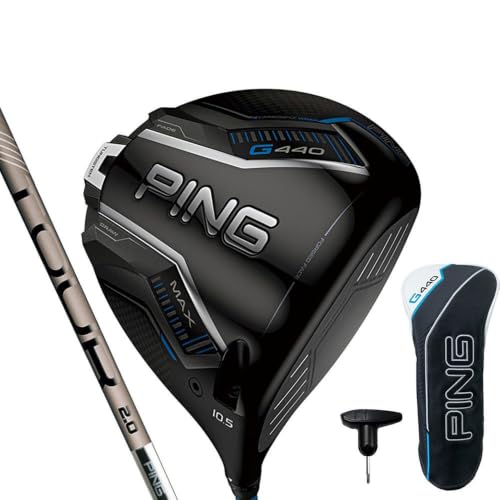
In Today’s Golfer’s 2026 testing the G440 Max grouped at 8.7 yards left to right. The next tightest driver in that test spread 11.8 yards, and the overall distance winner spread 16.3. That is not a small margin, and it is the entire argument for this club.
It gave up ground on speed to get there, at 160.2 mph ball speed against 163.7 for the fastest head tested, which works out to roughly five yards of carry. For a mid handicapper that is a trade worth making most days. Five yards off your best drive is invisible on the card; eight yards of extra scatter on your worst one is a ball in the trees.
Ping has been building the Max line around this idea for years and the 12 degree head is genuinely available rather than a special order, which matters more than it sounds like it should.
Who should skip it: Golfers who already find the middle of the face consistently. If your dispersion is not your problem, you are paying for stability you do not need and giving up real ball speed for it.
2. Titleist GT2
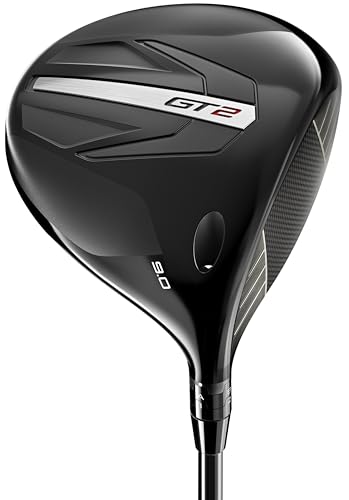
The GT2 posted 160.9 mph ball speed and 279.8 yards of carry with a 12 yard spread in the same testing, which is the most balanced set of numbers in this group. Nothing about it is the best figure on the page and nothing is weak.
Titleist offers this in 8, 9, 10 and 11 degrees, and the four-loft spread is useful because testers noted the GT2 launches lower than most heads in its class. If you are buying one, the honest advice is to go up a loft from whatever you played last, and the range exists to let you do that.
The lower launch is the real caveat. A golfer with a shallow angle of attack and a swing speed under 95 mph can end up under-launching this head, which turns its speed advantage into nothing.
Who should skip it: Slower swingers who struggle to get the ball airborne off the tee. The GT2 rewards speed and a decent angle of attack, and the Ping or the Callaway below will launch easier.
3. TaylorMade Qi35
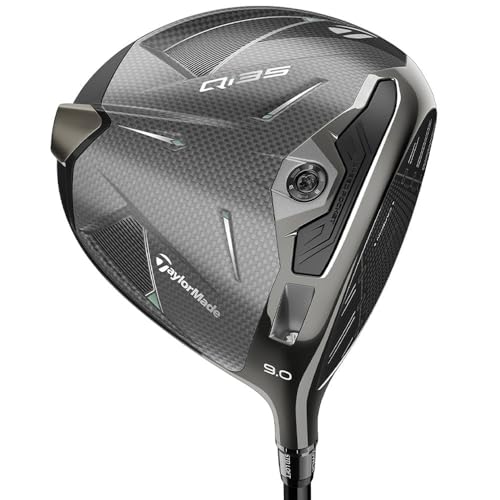
The Qi35 is the most adjustable head here in a way that shows up in the test data rather than on the spec sheet. Today’s Golfer measured it at 160.8 mph across weight settings, but dispersion swung from 11.8 yards to 18.6 depending on where the weight sat. Carry moved by less than two yards across the same range.
That is a useful club to own and a bad club to buy blind. Set correctly it groups nearly as tight as the Ping. Set wrong it is the loosest driver in this group, and nothing on the head tells you which one you have.
Testers also consistently describe the feel as more muted than previous TaylorMade drivers, which is a matter of taste but a noticeable change if you are coming from an older model.
Who should skip it: Anyone not getting fitted. The adjustability is the product, and the difference between the right setting and the wrong one is larger than the difference between this driver and most others on this list.
4. Callaway Elyte
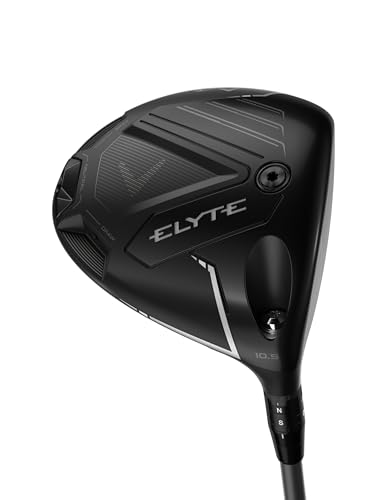
The standard Elyte head sits between Callaway’s maximum-forgiveness and low-spin models, with weight placed toward the heel to help the face square through impact. For a mid handicapper whose miss is a fade that keeps getting wider, that bias does more than a stability number.
Callaway builds this in 9, 10.5 and 12 degree heads with an adjustable hosel, so the loft you buy is a starting point rather than a commitment. The 12 degree version is worth considering by more golfers than buy it.
It is not as stable across the face as the Ping, and Callaway is explicit that the Max version of this head is the forgiveness option. This one is the compromise between forgiveness and speed.
Who should skip it: Golfers who miss both directions. Heel-weighted heads help a one-way slice and can make a two-way miss worse by turning some pushes into pulls.
5. Cobra Darkspeed Max
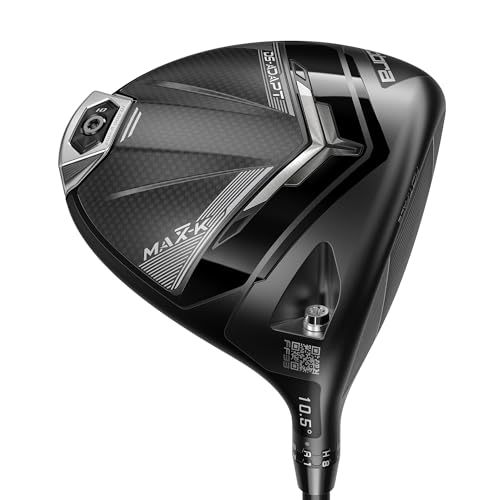
Cobra prices aggressively and the Darkspeed Max is usually the cheapest current generation driver from a major manufacturer. The Max head is the draw-biased, high-launch option in the line, built with a longer front-to-back footprint to raise stability.
Where Cobra has been consistently good is stock shaft selection. The options that come with this head are real shafts rather than rebadged house models, which matters because shaft fit moves the ball more than head choice does for most golfers in this handicap range.
In Today’s Golfer’s testing the Cobra heads spread wider than the top group, between 20.7 and 23.7 yards depending on weight setting, which is the honest weakness against the Ping.
Who should skip it: Anyone prioritizing tight dispersion. The published test numbers put Cobra’s current heads behind the Ping and Titleist on spread, and this driver’s case is price and launch rather than grouping.
6. Srixon ZXi Max
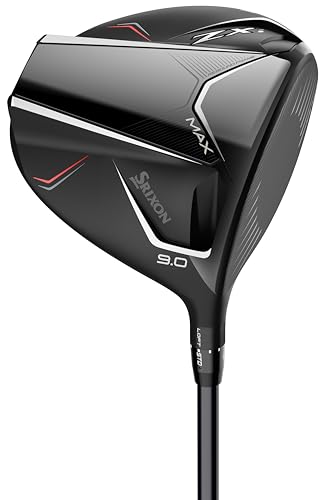
Srixon sells fewer drivers than the brands above and the ZXi Max is correspondingly harder to find on a demo rack, which is a real practical drawback. What it does well is feel. The sound at impact is lower pitched and solid rather than the metallic crack several competitors have moved toward.
The Max head is the forgiveness-oriented model in Srixon’s line, with a rearward weight position and a slight draw bias. Srixon also offers a 12 degree head, which not every manufacturer does in their forgiving model.
There is no published independent dispersion data for this head in the 2026 tests we could find, which is why it sits below the drivers that have it. That is a gap in the evidence rather than a demonstrated weakness, but we rank on what has been measured.
Who should skip it: Golfers who want to compare test numbers before buying. Srixon drivers are under-tested relative to the major brands, so you are buying on feel and spec rather than on data.
7. Tour Edge Exotics E725
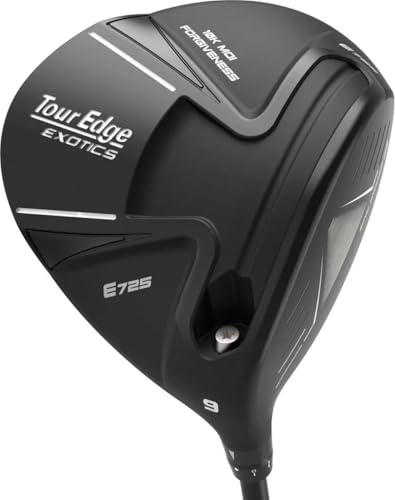
Tour Edge builds the E series for slower swing speeds and high launch, and prices it well below the major brands. The E725 head is shallow-faced with a low and rearward centre of gravity, which is the combination that gets the ball up for a golfer who does not generate much speed.
The company’s business model is releasing on a slower cycle and discounting the previous generation hard, so this head is frequently available for well under half what the Titleist costs. For a golfer who plays twenty rounds a year, that is a sensible amount to spend on a driver.
The tradeoff is straightforward: it does not produce the ball speed of the heads above, and Tour Edge has no meaningful presence in independent robot testing so there is little data to check the claims against.
Who should skip it: Faster swingers. The shallow face and high-launch design that helps a 85 mph swing will balloon the ball for someone swinging over 100, costing distance rather than adding it.
Frequently Asked Questions
What counts as a mid handicap?
Roughly 10 to 20. The defining trait for driver fitting is not the number itself but the miss pattern: a mid handicapper finds the middle of the face often enough to notice when they don't, and their bad drives are scattered rather than consistently one shape. That is a different fitting problem from a high handicapper fighting a persistent slice.
Should I use a draw-bias driver?
Only if you slice most of the time. Draw bias shifts weight toward the heel, which helps the face close through impact. If your misses go both directions, a draw-biased head turns some of your pushes into pulls and does not reduce the overall spread. Neutral heads with high forgiveness suit two-way misses better.
How much loft should a mid handicapper use?
More than most golfers buy. Nine degrees is the default purchase and it is too little for anyone swinging under about 100 mph, because you need launch to carry the ball and lower lofts also make the face harder to square. Ten and a half is a better starting point, and twelve is not too much if your drives run out along the ground.
Is it worth paying for a custom shaft?
Usually more than it is worth upgrading the head. Shaft weight and flex change where the clubhead is at impact, and a shaft that is too stiff or too heavy for your tempo costs both distance and accuracy. A fitting that only changes your shaft is often the cheapest real improvement available.
The Bottom Line
The Ping G440 Max is the driver we would put in most mid-handicap bags, because an 8.7 yard grouping against a field averaging well over 12 is the kind of gap that shows up on a scorecard. The Titleist GT2 is the better buy if you generate enough speed to use it and want a more balanced set of numbers.
The limitation worth stating plainly: every driver here was tested by better players than the ones buying it, so the absolute figures are not yours. What transfers is the ranking, not the numbers. And none of this matters as much as shaft fit, which is the cheapest change available and the one most golfers skip. See our driver roundup for the wider field.
Cover image artificially generated for illustrative purposes.