
Best Gap Wedges in 2026
Some links on this page are affiliate links. As an Amazon Associate, GolfThis earns from qualifying purchases at no extra cost to you.
The gap wedge is the club most golfers own by accident. It came in the set, it sits in the bag, and nobody ever checked whether its loft actually fits between the two clubs it is supposed to bridge. Then a 95-yard shot turns up and there is no club that hits it.
That gap has grown because pitching wedge lofts have. A modern game-improvement pitching wedge can be 43 degrees, which is close to what a 9-iron used to be, while sand wedges have stayed at 54 to 56. Left alone, that is a 12-degree hole in the middle of your scoring clubs, and it is the single most common gapping error in amateur bags.
We ranked these on the things that decide whether a gap wedge works: loft and bounce options wide enough to fit an actual set, sole grinds that suit more than one turf condition, and spin that holds up on partial shots rather than only on a launch monitor. Independent testing carried more weight than manufacturer claims, with Golf Monthly’s wedge testing and Plugged In Golf’s reviews the main sources, backed by aggregated retailer and forum feedback.
How we picked: We don’t claim to have hit every club here. These picks come from manufacturer specs, independent testing data, and aggregated feedback from golfers playing them. Where we’ve had a club in hand, we say so.
This is part of our 2026 series, alongside Best Golf Wedges in 2026 and Best Golf Irons in 2026. Jump to the comparison table if you just want the picks.
Best Gap Wedges in 2026 Comparison Table
| Wedge | Best For | Loft Range | Grinds | Price |
|---|---|---|---|---|
| Titleist Vokey SM10 | Distance control | 46 to 62° | 4 | $$$ |
| Ping S259 | Fitting depth | 46 to 62° | 6 | $$$ |
| Callaway Opus | Greenside spin | 48 to 60° | 4 | $$$ |
| Cleveland RTZ | Value | 46 to 64° | 3 | $$ |
| Cleveland CBX Full Face 2 | Off-centre contact | 46 to 60° | 1 | $$ |
| Ping Glide 4.0 | High handicappers | 46 to 60° | 4 | $$$ |
| TaylorMade Milled Grind | Wet conditions | 46 to 60° | 3 | $$$ |
| Mizuno Pro T-1 | Feel off the face | 46 to 62° | 3 | $$$ |
1. Titleist Vokey SM10
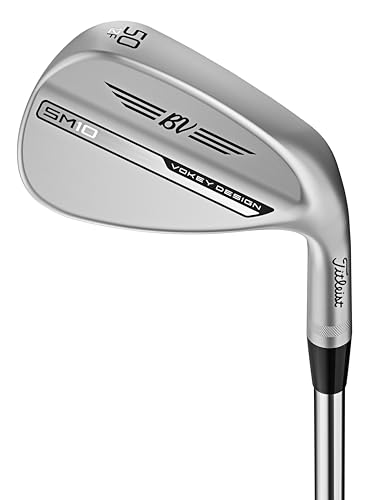
The Vokey line has been the default answer in this category for a decade, and the SM10 earns that position on gapping rather than spin. Lofts run from 46 to 62 degrees, and the 50 and 52 degree heads come in the F grind, a full sole built for square-faced full shots, which is what a gap wedge mostly hits.
Titleist centralises the centre of gravity within each loft rather than using one head design across the range, so the 50 degree behaves like a scoring club instead of a shrunken sand wedge. Golf Monthly’s testing rated its distance control the best of the wedges in its gap wedge guide, which matters more here than raw spin numbers do.
The head is compact and the sole is not especially forgiving. A golfer who strikes the turf before the ball will find it punishing compared to a cavity back option.
Who should skip it: Golfers with inconsistent contact. The CBX Full Face 2 below is built for exactly that miss.
2. Ping S259
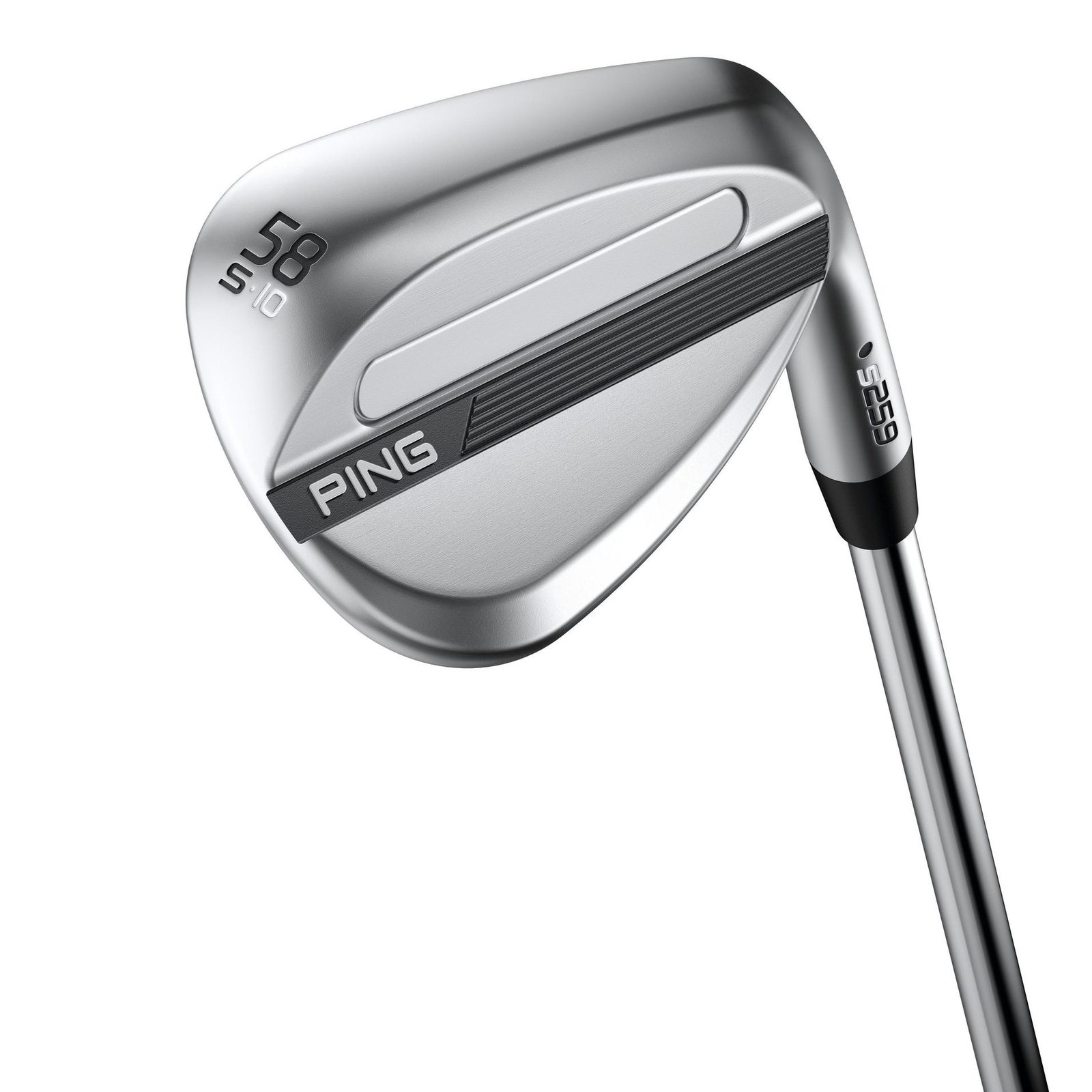
Ping launched the S259 in January 2026 with six sole grinds across 25 loft and grind combinations, and it added 50 and 52 degree options in the W grind specifically to serve golfers filling a gap. Lofts step in two-degree increments, which is the detail that makes precise gapping possible rather than approximate.
The Hydropearl 2.0 chrome finish repels water, and Ping’s stated aim is holding spin from a wet lie, where most wedges lose it. Plugged In Golf’s review of the S259 described it as responsive and surprisingly forgiving, with tight spin rates and dispersion, and singled out the feedback the head gives on strike location.
Six grinds is only useful to a golfer who gets fit. Bought blind off a shelf, the fitting matrix that makes this wedge good is wasted, and the traditional shaping offers modest forgiveness on its own.
Who should skip it: Golfers not planning a fitting. The value here is in matching grind to turf, and guessing defeats it.
3. Callaway Opus
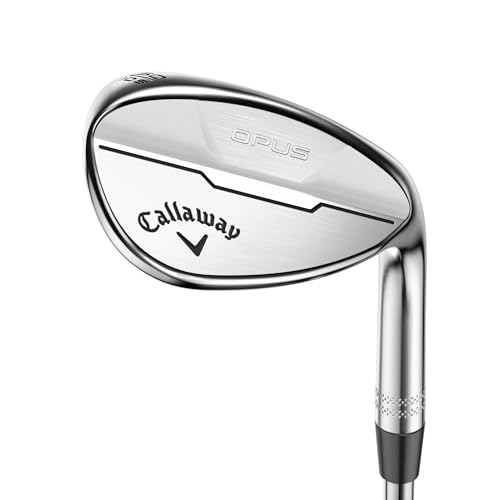
The Opus is the spin pick. Golf Monthly’s gap wedge testing rated it the highest-spinning wedge in its guide, and the elevated toe gives it a clean address profile that sits square without looking oversized.
The 50 degree comes in the S grind, a mid-bounce sole that handles full square-faced shots, which is the shot a gap wedge is asked for most often. Callaway also covers it with a 60-day return promise, which is a real advantage when buying a club whose grind you cannot test in a shop.
The face texture wears faster on practice mats than a plated finish does, so a golfer who hits a large volume of range balls off artificial turf will see spin drop off sooner. There is also no 46 degree option, which rules it out for some set gapping.
Who should skip it: Range-mat regulars. The face wear is real and it costs you the spin you paid for.
4. Cleveland RTZ
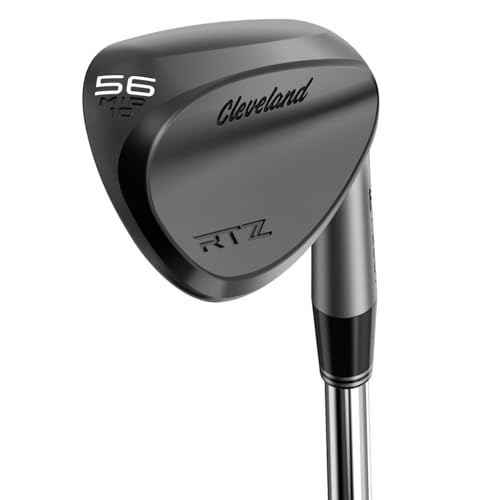
Cleveland’s current tour wedge line replaced the long-running RTX family, and it remains the value answer in a category where the premium options cluster around the same price. The Z-Alloy carbon steel is softer than the stainless used in most set wedges, and lofts run from 46 to 64 degrees with bounce from 6 to 12.
That bounce range is the widest here, which matters for a gap wedge more than it sounds. Bounce is the angle between the leading edge and the lowest point of the sole, and it is what stops the club digging. A wider range means a better chance of matching your turf without a custom order.
The satin finish shows bag wear quickly, and the stock shaft is firm enough that slower swing speeds may want a change. Grind options thin out in the higher lofts.
Who should skip it: Golfers who want their wedges to look new in year three. This finish ages visibly.
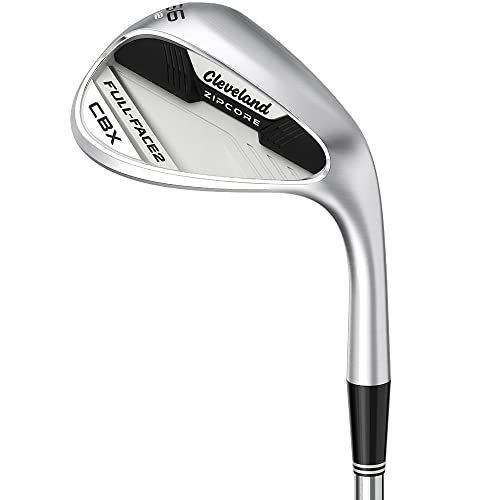
5. Cleveland CBX Full Face 2
Most wedges on this list assume you find the middle of the face. This one assumes you do not. The grooves run the full width of the head, so contact out towards the toe still produces spin instead of a dead, low runner.
The cavity back construction also raises the moment of inertia, meaning the head twists less on an off-centre strike. Golf Monthly’s forgiving wedge testing recommends it alongside the Ping Glide for golfers who struggle with strike consistency, and that pairing reflects what the design is actually for.
The tradeoff is versatility. A cavity back head with one sole grind cannot be opened up and manipulated around the green the way a tour grind can, so shots that need an open face and a high, soft landing are harder to play.
Who should skip it: Golfers who like to open the face around the green. This wedge is built to be hit square.
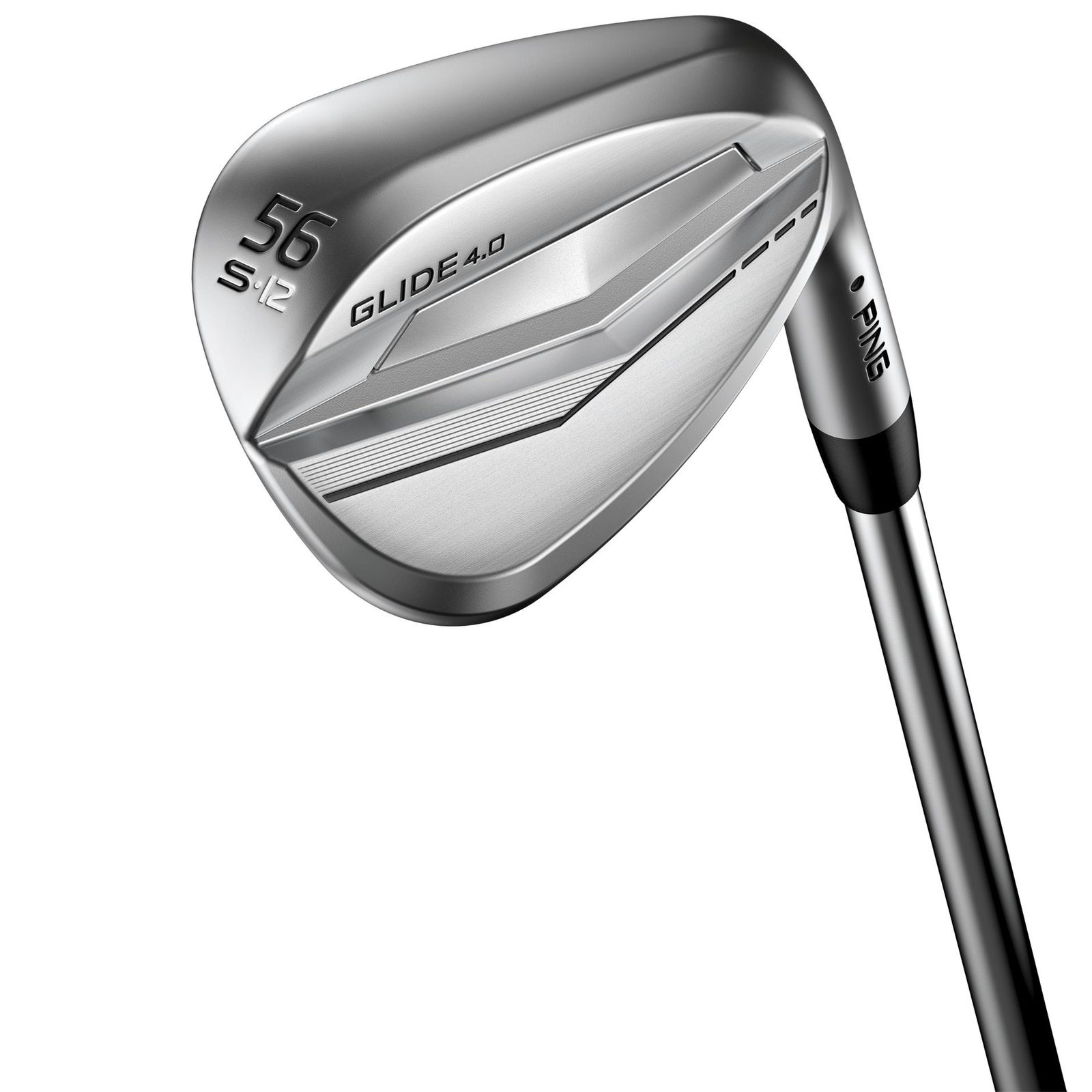
6. Ping Glide 4.0
The Glide 4.0 shifts weight to the perimeter of the head to cut distance variability on off-centre strikes, which is a different design goal from the tour wedges above. On a full gap wedge shot into a green, the difference between a centre strike and a slight toe miss is yardage, and that is the number this club is built to protect.
It comes in four sole grinds, so a golfer wanting forgiveness does not have to give up matching the sole to their turf and attack angle. That combination is unusual, because most forgiving wedges offer one grind and leave it there.
The head is larger than a tour wedge and sits chunkier behind the ball, which some golfers find off-putting at address. Better players who want to shape shots will find it less responsive than a compact head.
Who should skip it: Low handicappers who shape wedge shots. The forgiveness comes at the cost of feedback.
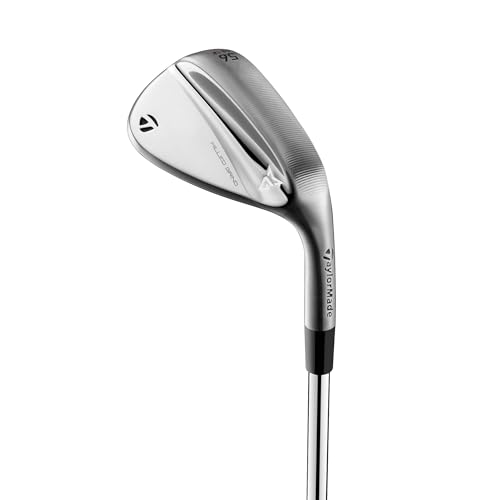
7. TaylorMade Milled Grind
The Milled Grind name describes the manufacturing rather than the marketing: the sole is machine-milled to a tighter tolerance than a cast sole, so the bounce angle you order is the bounce angle you get. On a gap wedge that consistency shows up as predictable turf interaction from a range of lies.
The raw face is the other half of it. An unplated face rusts, and the texture that develops holds spin in wet conditions better than a plated face does, which is the condition where most golfers lose the most spin.
That rust is cosmetic but it is not optional, and a golfer who wants a club to stay bright will not enjoy watching it happen. Grind choice is narrower than the Ping or Titleist options.
Who should skip it: Golfers who dislike a rusting face. It is by design and it will not stop.
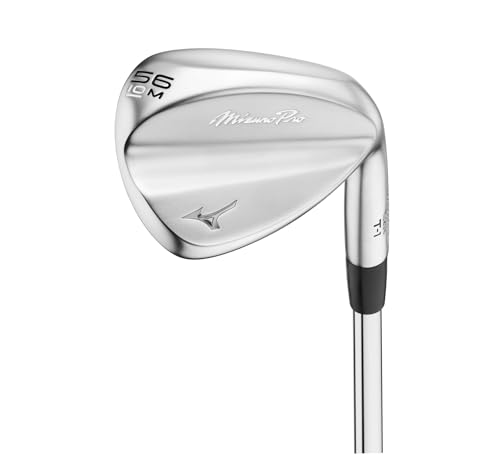
8. Mizuno Pro T-1
Mizuno’s grain flow forging gives the T-1 the softest feel of anything on this list, and feel matters more on a gap wedge than golfers expect. Partial wedge shots are controlled by feedback through the hands, and a head that tells you where you struck it makes the 60-yard shot repeatable in a way a muted head does not.
The shaping is compact and the topline thin, built for a golfer who wants the club to sit down behind the ball and disappear. Feedback is the whole argument for this wedge, and it is a genuinely different reason to buy one.
Forgiveness is the weakest here. A forged compact head with a thin sole gives very little back on a fat or thin strike, and the price sits at the top of the category without buying you extra grinds.
Who should skip it: Mid and high handicappers. This is a wedge for golfers who already control their strike.
Frequently Asked Questions
What loft should my gap wedge be?
Work backwards from your pitching wedge. Modern game-improvement pitching wedges are often 43 or 44 degrees, which means a 48 or 50 degree gap wedge keeps the spacing even. If your pitching wedge is a more traditional 46 or 48 degrees, a 52 degree gap wedge fits better. The aim is four to six degrees between clubs, not a specific number on the sole.
Do I actually need a gap wedge?
You need one if there is a hole in your distances between the pitching wedge and sand wedge. Check your full pitching wedge carry and your full sand wedge carry. A gap larger than about 30 yards is worth filling, because that is the range where you are forced into a half swing on a full-swing club, which is the least repeatable shot in golf.
What bounce should I look for in a gap wedge?
Mid bounce, usually 8 to 12 degrees, suits most golfers because the gap wedge is used mostly for full and three-quarter shots off a variety of lies. Low bounce grinds are built for firm turf and shallow attack angles, and they punish a steep swing on soft ground by digging.
Should my gap wedge match my iron set or my wedges?
Either works, and the decision is about distance control versus greenside versatility. A set-matching gap wedge keeps feel and turf interaction consistent with the club before it, which helps full shots. A specialist wedge gives you grind options and more spin on partial shots. Golfers who mostly hit it full should match the set.
The Bottom Line
For most golfers the Vokey SM10 in 50 degrees is the safe answer, because distance control is what a gap wedge is for and Titleist’s gapping across the range is the most complete. If your contact is the problem rather than your gapping, buy the Cleveland CBX Full Face 2 instead and accept that you are trading greenside versatility for strike forgiveness. Measure your pitching wedge carry before you buy either, because the wrong loft in the best wedge is still the wrong club.
See our full Best Golf Wedges in 2026 roundup for the rest of the short game, or Best Golf Wedges for Seniors in 2026 for lighter options.
Cover image artificially generated for illustrative purposes.