
Best Forged Irons in 2026
Some links on this page are affiliate links. As an Amazon Associate, GolfThis earns from qualifying purchases at no extra cost to you.
“Forged” gets used as a synonym for “good” in a lot of golf marketing, which buries what the word actually means. Forging shapes an iron head from a single billet of steel, hammered under repeated impact instead of poured into a mold. That process compresses the metal’s grain structure more evenly, and most golfers and testers report a softer, more solid feel at impact as a result. It says nothing on its own about forgiveness or distance. A forged iron can be a pure muscle-back blade or a forgiving hollow-body players’-distance design, and this list covers both ends.
We’re not pretending forging is the only thing that matters here. Shaft, loft, and shape do more work than manufacturing method for most outcomes that show up on a scorecard. What forging reliably buys is feel, and for a golfer who’s decided that matters to them, these are the sets worth knowing about in 2026.
We weighted independent robot and player testing over manufacturer copy. MyGolfSpy’s 2026 Most Wanted testing carried the most weight, backed by Golf Digest’s Hot List panel and the working fitters and reviewers at Golf Monthly and GolfWRX, several of whom specifically track feel and sound separately from distance and forgiveness scores.
How we picked: We don’t claim to have hit every iron here. These picks come from manufacturer specs, independent testing data (MyGolfSpy’s 2026 Most Wanted robot and player testing, Golf Digest’s Hot List panel), and aggregated feedback from golfers playing them. Where we’ve had a club in hand, we say so.
This is part of our 2026 series, alongside Best Golf Irons in 2026 and Best Cavity Back Irons in 2026. Jump to the comparison table if you just want the picks.
Best Forged Irons in 2026 Comparison Table
| Iron | Type | Best For | Price |
|---|---|---|---|
| Titleist T100 | Players (muscle back) | Low handicaps who want a classic tour cavity | $$$$ |
| Mizuno Pro 223 | Players | Golfers who rank feel above every other spec | $$$$ |
| TaylorMade P770 | Players-distance | Single-digit handicaps wanting distance without giving up shape | $$$$ |
| Callaway Apex Ai300 | Game-improvement (forged) | Mid-to-high handicaps who still want a forged feel | $$$$ |
| Mizuno Pro 225 | Players-distance | Better players who want more forgiveness than the Pro 223 | $$$$ |
| Ping i530 | Players | Golfers who want Ping’s tour shape in a forged build | $$$$ |
| Titleist T150 | Players (distance) | Better players who want T100 looks with more help | $$$$ |
| Srixon ZX7 Mk II | Players (muscle back) | Skilled players seeking maximum workability | $$$ |
1. Titleist T100
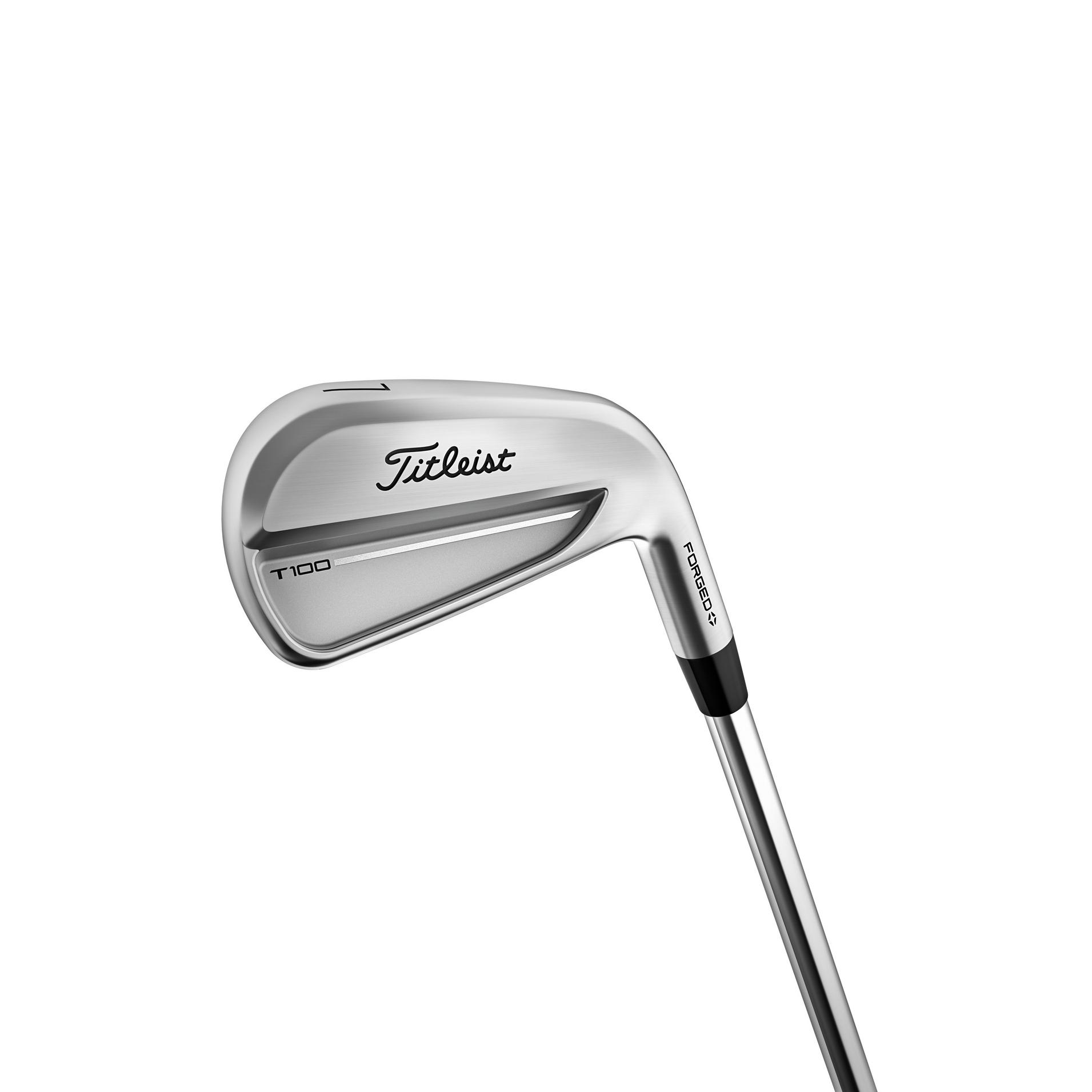
The T100 is the modern descendant of Titleist’s AP2, and it remains the standard against which most other forged players’ irons get measured. It’s a fully forged muscle-back-adjacent cavity with a thin top line, a compact blade length, and tungsten weighting in the heel and toe of the longer irons to control the center of gravity through the set.
What earns it a spot here after all these years is consistency of reputation rather than one breakout test result. Golf Digest and Golf Monthly both continue to rank it among the best forged players’ irons available, and it’s among the most frequently seen sets in tour bags among Titleist’s players’ lineup. That kind of durability across review cycles is its own signal.
It asks a lot of the golfer swinging it. There’s meaningfully less forgiveness here than in any game-improvement iron, and a mis-hit costs real distance and accuracy.
Who should skip it: Anyone above roughly a 10 handicap. The compact head and thin sole punish inconsistent contact instead of correcting for it.
2. Mizuno Pro 223
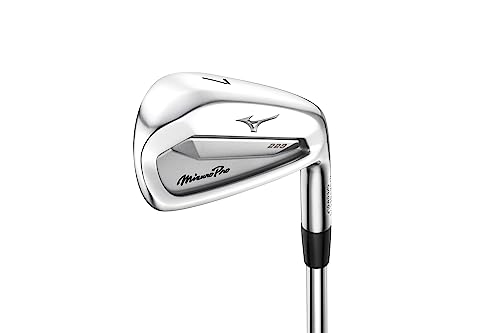
Mizuno’s Grain Flow Forged HD process, done at the company’s plant in Hiroshima, has won more “best feel” tests across golf media than any other manufacturer’s construction method, and the Pro 223 is the set built to carry that reputation into a slightly more forgiving shape than a true muscle back. It’s aimed at middle and low handicappers who want a blade’s feedback without a blade’s full punishment for a slight miss.
The Pro 223 splits the difference in Mizuno’s own lineup: more forgiving than the pure muscle-back S-1, less game-improvement than anything with a wider sole, and that middle position is exactly why it draws so much attention on “best feel” lists rather than the S-1 itself, which asks more of the golfer than most buyers are ready to give.
It’s still a compact, thin-soled players’ iron underneath the forgiveness gains, and a genuine high handicapper will find less margin for error than the “223” name might suggest.
Who should skip it: High handicappers and anyone newer to the game. The feel this iron is famous for only shows up on a well-struck shot.
3. TaylorMade P770
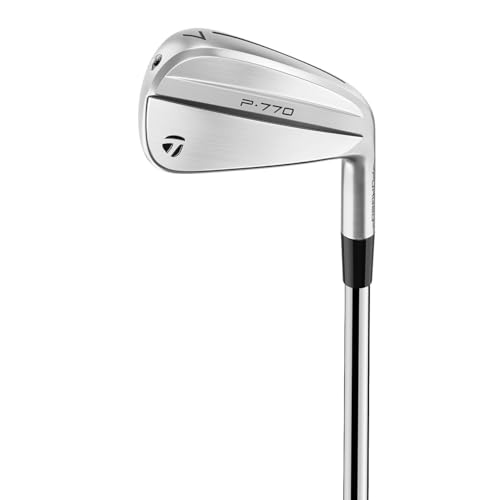
The P770 is TaylorMade’s forged players’-distance iron, built for a golfer who wants to keep working the ball while getting more carry than a traditional blade or cavity gives up. The 2026 version was retuned using modal analysis, essentially tuning the head’s vibration pattern rather than just its shape, and reviewers note it’s the best-feeling P770 yet, with a tungsten-influenced center of gravity that helps mid and long irons launch higher without sacrificing tour-level workability.
It sits close to the Titleist T150 in the market: both are forged distance irons for a better player, but the P770 leans slightly more toward distance and slightly less toward pure feel, which is worth knowing before choosing between them.
Who should skip it: True beginners. This is a players’ shape with real distance gains layered on, but it still asks for consistent, centered contact to deliver either one.
4. Callaway Apex Ai300
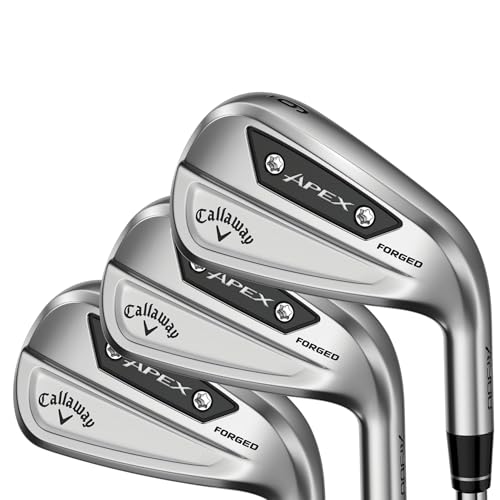
The Ai300 targets a golfer who wants game-improvement forgiveness but doesn’t want it to feel or sound cheap. It’s a forged cavity with a slightly larger profile, more offset, and a wider sole than Callaway’s players’ irons, built around Ai Smart Face technology, a face pattern designed from swing-impact data pulled from a large sample of real golfers rather than one tour pro’s strike pattern.
Testers on MyGolfSpy’s forum and at Golf Monthly consistently point to the forged feel as the standout: it launches high and easy while still feeling softer off the face than most game-improvement irons in its price range. That combination is rare, since forged construction usually gets reserved for players’ irons where forgiveness matters less.
The catch is price. This is one of the more expensive irons on this list, and a mid-handicap golfer who doesn’t care about feel can get similar forgiveness for less from a cast game-improvement set.
Who should skip it: Budget-conscious buyers. You’re paying a real premium for forged feel in a category where cast construction performs almost as well.
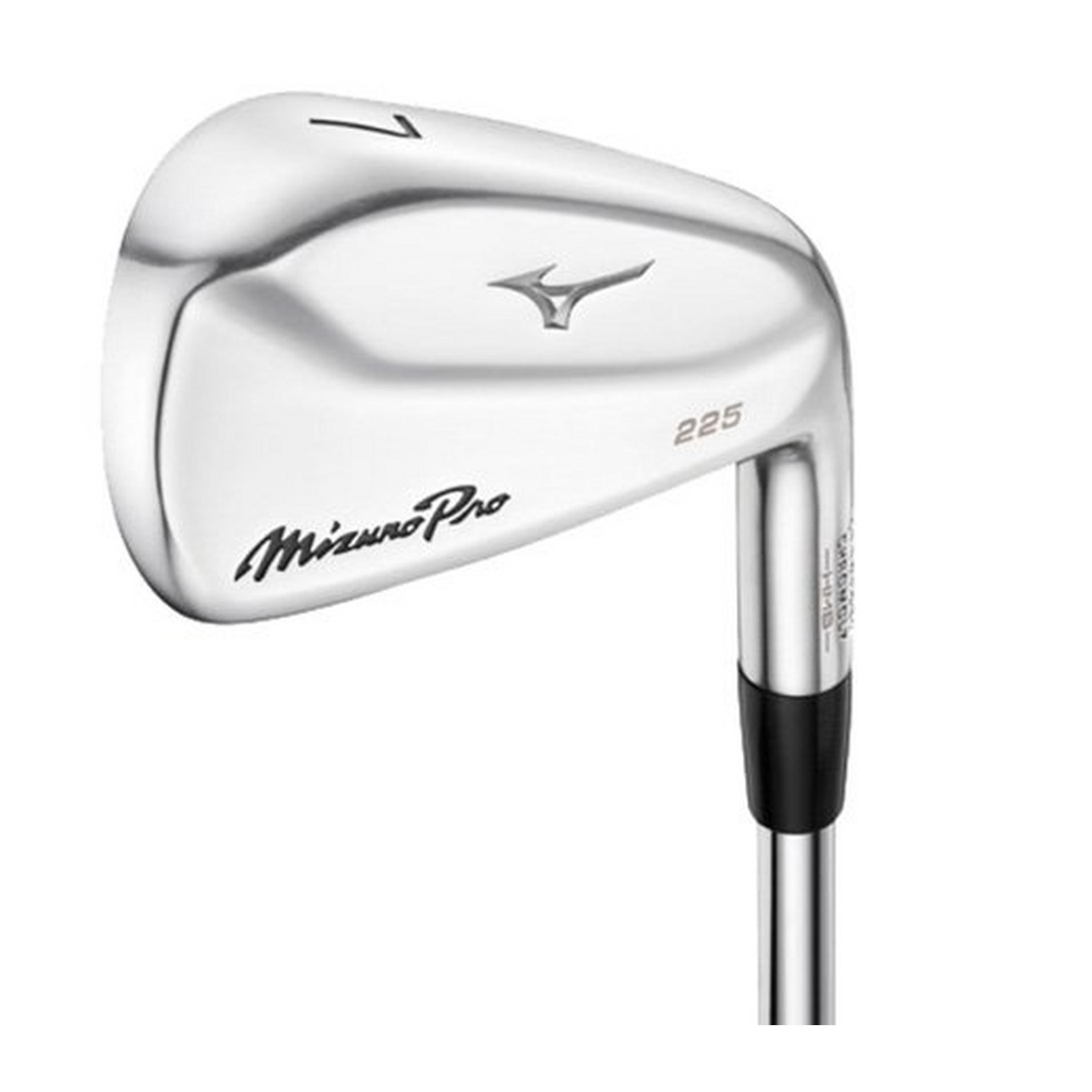
5. Mizuno Pro 225
The Pro 225 is Mizuno’s forgiveness-forward answer for a golfer who likes the Pro 223’s feel but wants more margin for error. It uses a thin, hot forged face and a slightly larger footprint than the 223, chasing distance and forgiveness without moving into game-improvement territory.
Fitters and reviewers describe it as the natural step for a golfer who has outgrown a true game-improvement iron but isn’t quite ready for the 223’s reduced margin. It keeps Mizuno’s signature soft feel while adding real ball speed on off-center strikes.
The wider sole and added offset mean a scratch player will find it a step less precise than the 223 when trying to shape a shot deliberately.
Who should skip it: Low-handicap players who want maximum shot-shaping precision. Go to the Pro 223 or a true muscle back instead.
6. Ping i530
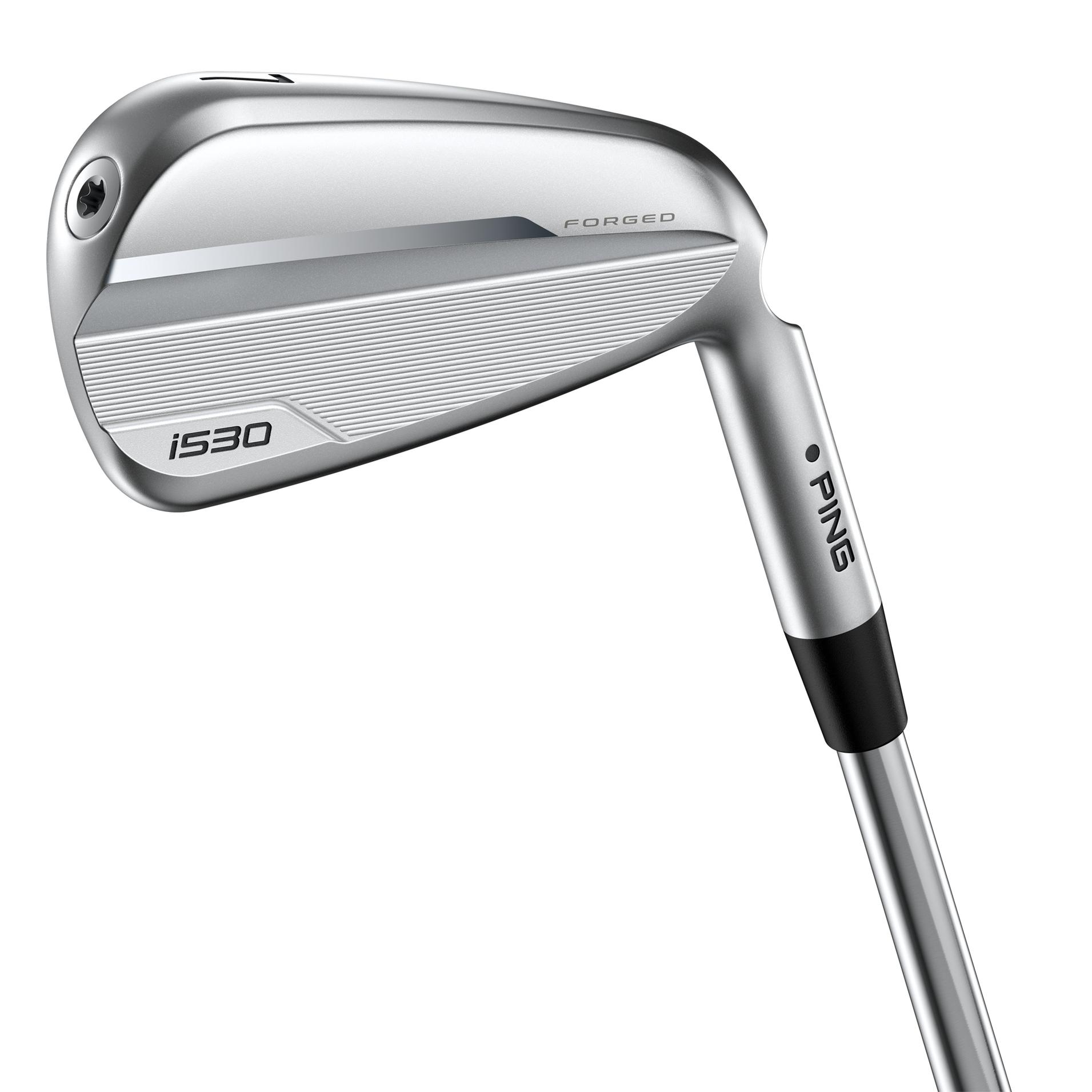
The i530 is Ping’s forged players’ iron, built for a golfer who wants Ping’s tour-preferred shape and sound in a forged construction rather than the cast heads Ping typically ships in its game-improvement lines. It’s a compact, minimal-offset design aimed at low handicappers who value consistency of strike over forgiveness.
Reviewers at Golf Monthly and GolfWRX note it feels notably different from Ping’s cast irons, softer and more responsive at impact, while keeping the tour-tested head shape that’s made Ping’s players’ irons a fixture in professional bags for years.
It offers little forgiveness compared to anything else on this list aside from the T100 and Srixon ZX7. A mis-hit costs real distance here.
Who should skip it: Mid-to-high handicappers. This is a precision tool built for golfers who already strike the ball consistently.
7. Titleist T150
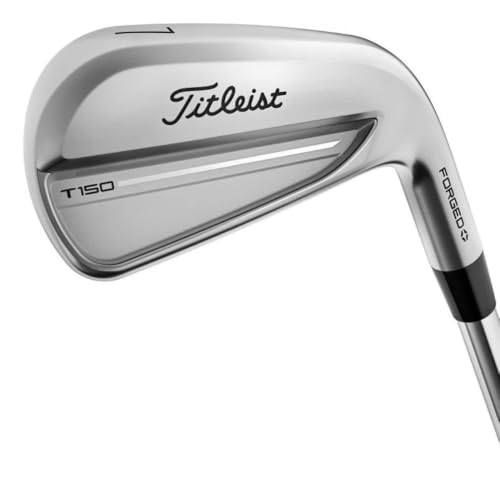
The T150 exists for a golfer who likes everything about the T100 except how unforgiving it is. It shares the T100’s forged feel and much of its look at address, but with a fractionally thicker sole, a longer blade, and about a degree of extra loft strength that adds both launch and a step of forgiveness on off-center strikes.
Reviewers consistently describe it as a bridge iron: enough players’-club character to not feel like a step down in shot-shaping ability, with real forgiveness gains over the T100 when contact isn’t flush. For a better player who’s lost a step of consistency, or a mid-single-digit handicapper who wants insurance without moving into a true game-improvement shape, it’s a legitimate middle ground.
Who should skip it: Purists who want maximum feedback and shot-shaping control. Go to the T100 instead.
8. Srixon ZX7 Mk II
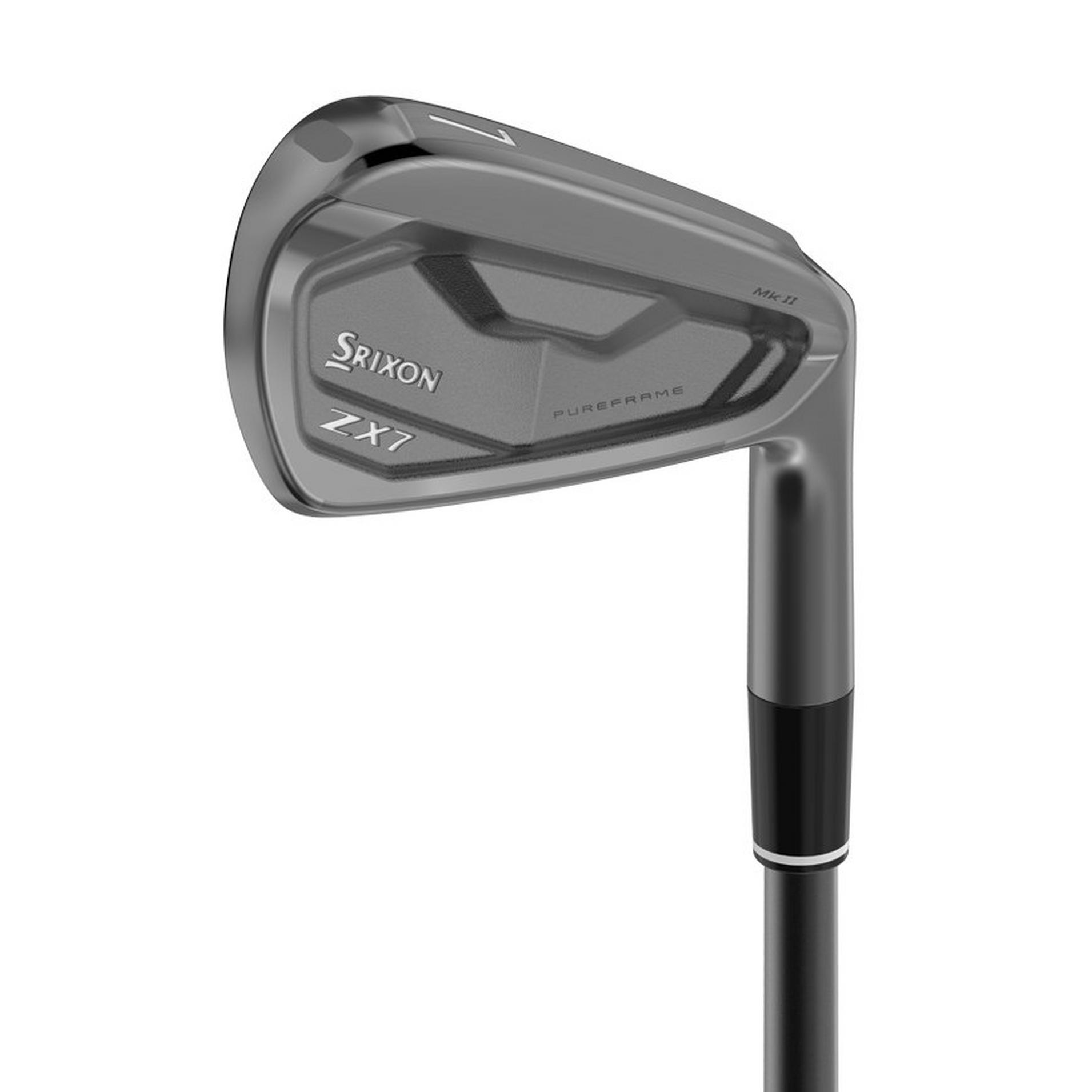
The ZX7 Mk II is Srixon’s tour muscle back, a compact forged blade built for a golfer who wants maximum workability and doesn’t want the club correcting for anything. It carries minimal offset and a thin top line, and it’s the iron several Srixon tour pros put in play when they want total control over trajectory and shape.
Golf Monthly’s testing consistently praises its feel and its willingness to respond exactly to what the swing asks of it, which is the entire appeal of a true muscle back. There’s no cavity, no perimeter weighting, and no forgiveness margin hiding behind the number on the sole.
Who should skip it: Anyone outside a low single-digit handicap. This iron will not save a mis-hit, and it isn’t trying to.
Frequently Asked Questions
What does forging actually change about an iron?
Forging shapes the head from a single billet of steel under repeated impact, which compresses the metal's grain structure more evenly than pouring it into a cast mold. Most golfers and testers report a softer, more solid feel at impact as a result. The difference is real but smaller than marketing suggests, and forging says more about feel than about forgiveness or distance.
Are forged irons more forgiving than cast irons?
Not inherently. Forgiveness comes from head shape and weight distribution, not the manufacturing process. A forged players' distance iron with a hollow body and tungsten weighting can be more forgiving than a cast blade. What forging reliably changes is feel, not forgiveness.
Do I need to be a low handicapper to play forged irons?
No, though most forged blades and muscle backs are built for golfers who already strike the ball consistently. Forged players'-distance irons like the P770 or T150 are built with real forgiveness margin and work for a wider range of handicaps. The manufacturing process and the forgiveness level are separate decisions.
The Bottom Line
If you’re a low-handicap player who wants the tour standard, the Titleist T100 or Mizuno Pro 223 both earn that reputation honestly. If you’re a better player who’s lost a step of consistency, the T150 or P770 give up a little precision for real forgiveness gains and are worth the trade for most golfers who aren’t hitting the center of the face on every swing already. Forging buys feel, not forgiveness, so pick your shape based on your actual mis-hit pattern rather than the word on the sole.
Browse the full Best Golf Irons in 2026 roundup for game-improvement options, or see our Best Cavity Back Irons in 2026 list if forgiveness matters more to you than feel.
Cover image artificially generated for illustrative purposes.