
Best Golf Balls in 2026
Some links on this page are affiliate links. As an Amazon Associate, GolfThis earns from qualifying purchases at no extra cost to you.
Most golfers spend more time picking a driver than picking a ball, and play the same dozen balls all season because that’s what was in the cart at the pro shop. That’s backwards. You hit a driver a few dozen times a round. You hit a ball on every single shot, and it’s the one piece of equipment you replace constantly, which makes it the one purchase where getting the fit right actually compounds.
The market splits hard into two tiers: urethane-covered tour balls built for spin and control, and firmer two-piece balls built for distance and durability. Neither tier is “better.” A 15-handicap playing a tour ball is often giving back distance for spin control they can’t use yet, and a scratch player on a distance ball is leaving short-game spin on the table they could use.
We weighted these picks on independent robot and player testing data, cover material and compression matched to real swing-speed bands, and price against what you’re actually getting, not what the box claims.
How we picked: These picks come from MyGolfSpy’s 2026 robot ball test across three swing-speed bands, Golf Digest’s Hot List player testing, and aggregated retailer and forum feedback. We haven’t played every ball on this list ourselves. Where we have real rounds with one, we say so.
Jump to the comparison table if you just want the picks.
See also: Best Drivers for Seniors in 2026 · Best Golf Irons in 2026
Best Golf Balls in 2026 Comparison Table
| Ball | Cover | Best For | Price |
|---|---|---|---|
| Titleist Pro V1 | Urethane | Tour-level all-around | $$$$ |
| Maxfli Tour X | Urethane | Pro V1x specs, lower cost | $$$ |
| Callaway Chrome Tour X | Urethane | Low spin, fast swings | $$$$ |
| Bridgestone Tour B RXS | Urethane | High spin, moderate speed | $$$$ |
| Kirkland Signature V3.0 | Urethane | Best value urethane | $$ |
| Callaway Supersoft | Ionomer | High handicap distance | $$ |
| Wilson Duo Soft | Ionomer | Softest feel, slow swings | $ |
| Srixon Q-Star Tour | Urethane | Mid-handicap value | $$$ |
1. Titleist Pro V1
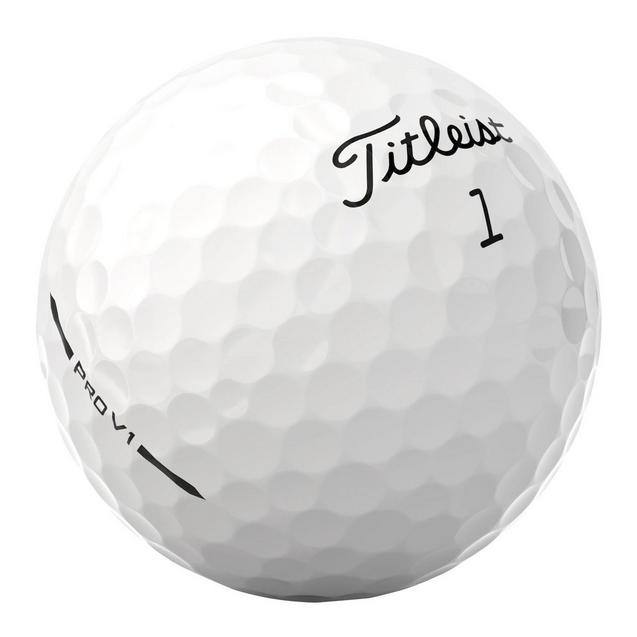
The Pro V1 is the ball more tour players put in play than any other, and the 2025 reformulation added tee speed without giving up the soft feel and class-leading consistency that made it the standard in the first place. It’s the safe pick because it isn’t trying to be exceptional at any one thing.
Independent testing keeps landing on the same conclusion: a genuinely consistent ball, shot to shot and dozen to dozen, with a mid-high flight and enough short-game spin for a player who can control it. It won a PGA Championship in 2026 in Aaron Rai’s hands, which says more about tour adoption than it does about what it’ll do for your handicap.
You’re paying tour-ball price for tour-ball manufacturing tolerance. If your swing speed is under 90 mph, you’re paying for spin control you can’t generate enough clubhead speed to use.
Who should skip it: Swing speeds under 90 mph. The compression is built for faster players, and a slower swinger gets more distance from a softer ball at half the price.
2. Maxfli Tour X
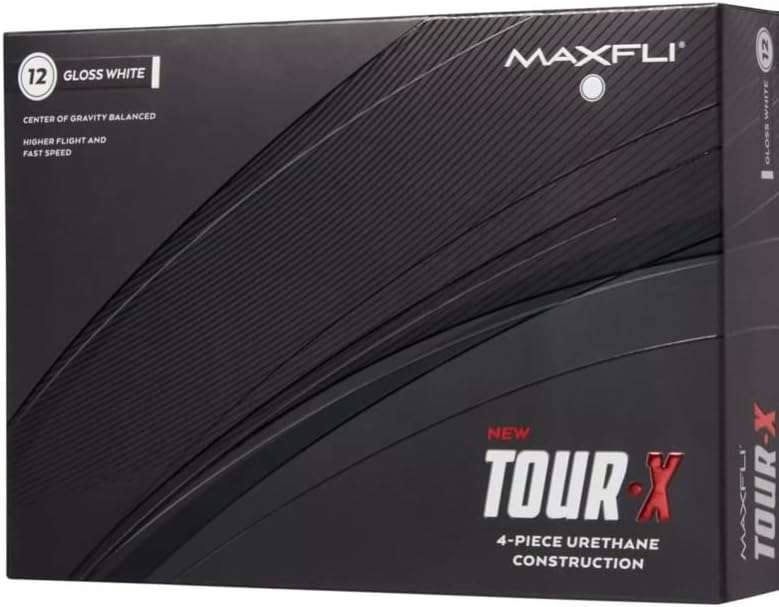
Maxfli’s Tour X is built to Pro V1x-level specs at a noticeably lower price. It’s the clearest example on this list of a direct-to-consumer brand undercutting the majors on cost without cutting the construction: three-piece urethane, a firm mantle for speed, low spin off the driver.
Golf Digest’s Hot List testing has recognized the line for balancing distance with a mid-compression core that keeps some softness in the feel, rather than going all-in on firmness the way a pure low-spin ball does. It’s a genuine alternative for a player who wants tour performance without paying the tour brand tax.
The trade-off is retail footprint. Maxfli sells through fewer outlets than Titleist or Callaway, so it’s a less convenient impulse buy at the turn if you run out mid-round.
Who should skip it: Anyone who wants to buy a sleeve at every course pro shop. Availability is real but thinner than the majors.
3. Callaway Chrome Tour X
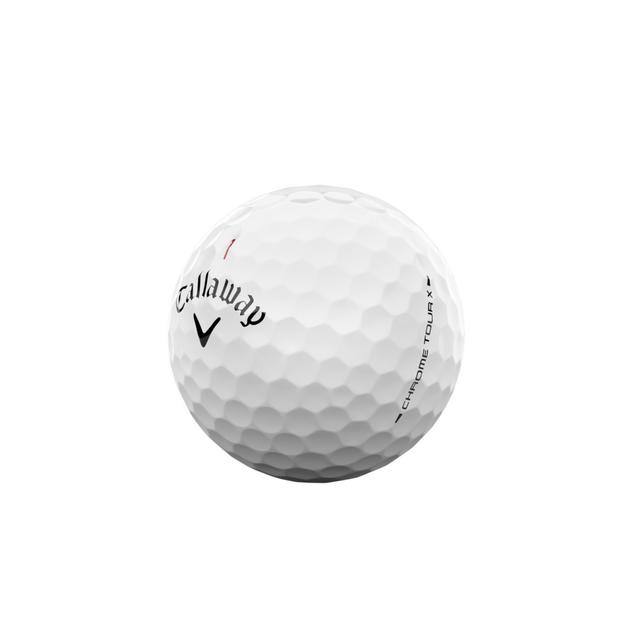
Chrome Tour X is Callaway’s low-spin, high-speed tour ball, aimed at players who already generate plenty of spin on their own and need a ball that calms it down rather than adds to it. The redesigned mantle is built specifically to raise ball speed off the driver without sacrificing the aerodynamic consistency the previous Chrome Soft X was already known for.
It sits at a firmer compression than the standard Chrome Tour, which shows up as a more penetrating flight in the wind and less ballooning on full shots. That’s the right trade for a fast, aggressive swing. It’s the wrong trade for someone who needs help getting the ball in the air.
Feel is firmer than the Pro V1 at the same swing speed, which some low-spin players prefer and others find harsh off the putter face.
Who should skip it: Players who already struggle with low, driving ball flight. A low-spin ball will make that worse, not better.
4. Bridgestone Tour B RXS
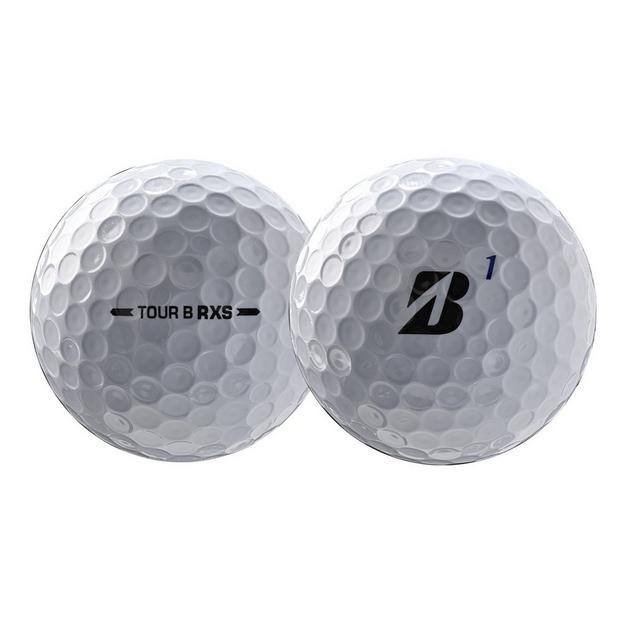
The RXS is Bridgestone’s answer for moderate swing speeds who still want a full urethane tour ball. It’s built to spin more than the firmer Tour B X or Chrome Tour X, which sounds like a downside until you’re the player who needs that spin to hold a green with a mid-iron.
Bridgestone’s fitting philosophy has always been built around matching ball to swing speed rather than selling one ball to everyone, and the RXS is the company’s clearest example of that: high spin, easy to control, aimed at players who aren’t swinging 115 mph but still want short-game feel.
It’s a genuinely different recommendation from the low-spin picks on this list, and matching the wrong Bridgestone model to your swing speed will cost you more than switching brands entirely would.
Who should skip it: Fast swingers. High spin on an already-high-spin swing balloons drives and costs real distance.
5. Kirkland Signature V3.0
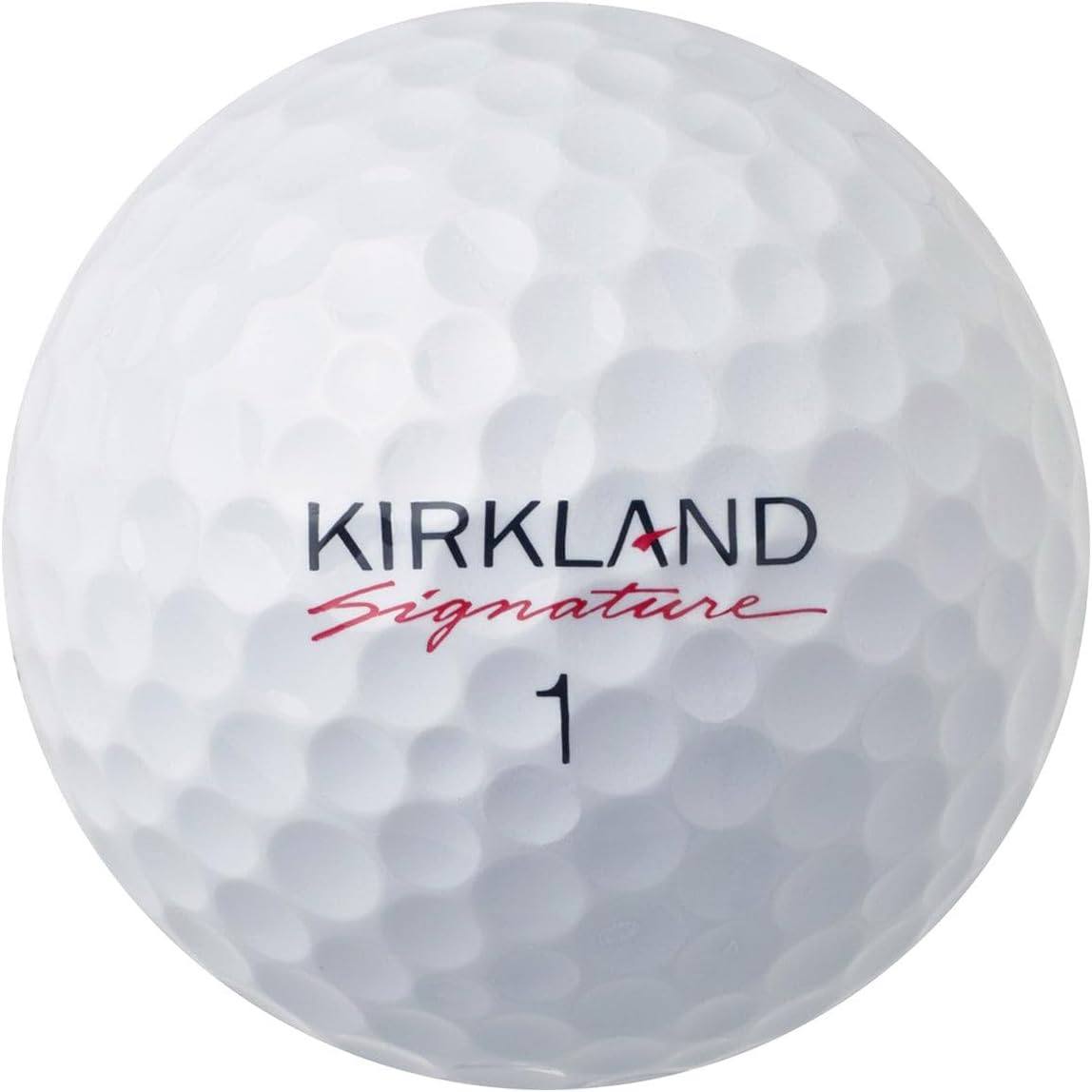
Costco’s house ball is the one entry on this list that regularly gets compared directly to the Pro V1, and the comparison holds up better than the price gap suggests. It’s the only ball under $20 a dozen with a real urethane cover, and robot testing puts its speed and spin within a few percentage points of premium tour balls.
At roughly a third of what a Pro V1 costs per ball, the pitch is simple: most of the performance most golfers can use, for a fraction of the price of losing three of them in a single round.
The honest caveat is manufacturing consistency. Independent Ball Lab testing on the current version found more dozen-to-dozen variation in weight, diameter, and compression than the major brands post, which is a real cost even if the average performance is close.
Who should skip it: Competitive players who need shot-to-shot consistency they can trust under pressure. The averages are good; the outliers are the risk.
6. Callaway Supersoft
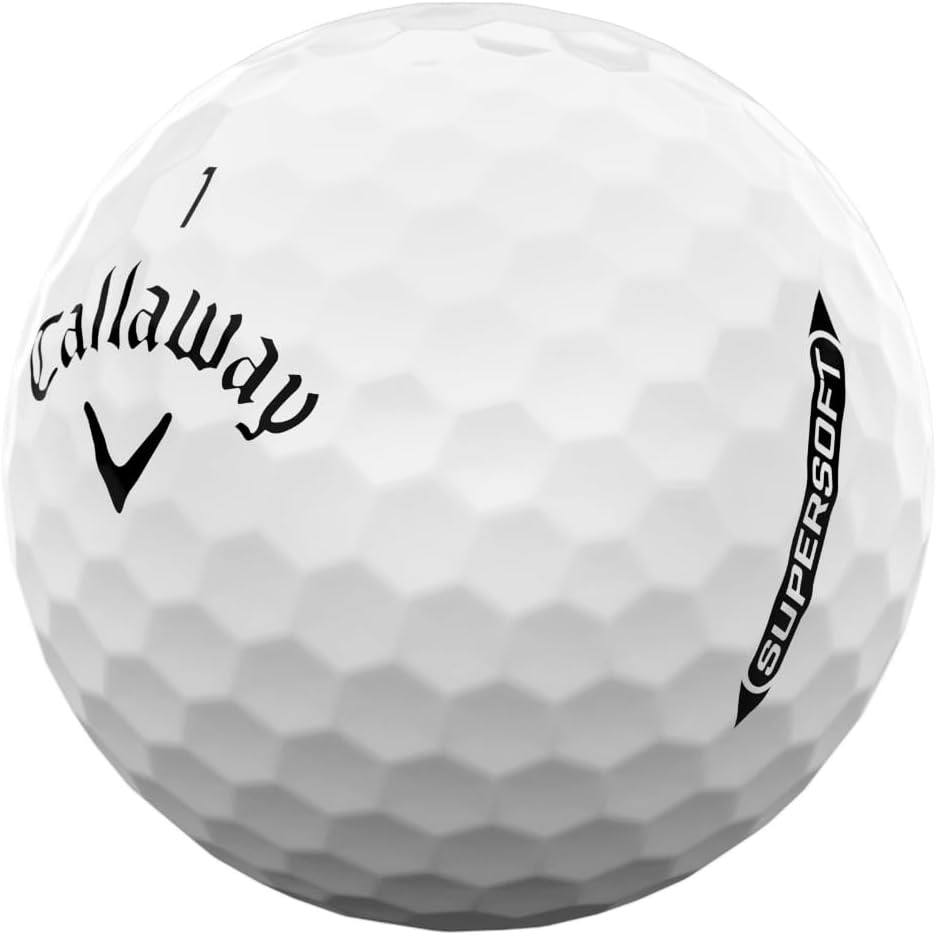
Supersoft is built around one number: the lowest compression Callaway makes, aimed at swing speeds where a firmer ball just doesn’t compress enough to launch. For a high-handicap or slower-swinging player, that means more carry distance off the tee.
It’s an ionomer cover, not urethane, which means less spin and less short-game control, and that’s the correct trade at this swing speed. A player who can’t generate enough clubhead speed to compress a firmer ball properly is losing more distance to a mismatched compression than they’re gaining from urethane spin they can’t control anyway.
Durability is a genuine strength here too. The ionomer cover shrugs off cart path scuffs that would scar a tour ball, which matters more to a recreational golfer’s wallet than an extra yard of stopping power on the green.
Who should skip it: Fast swingers and low handicappers. The low compression that helps a slow swing gives back distance and control at higher speeds.
7. Wilson Duo Soft
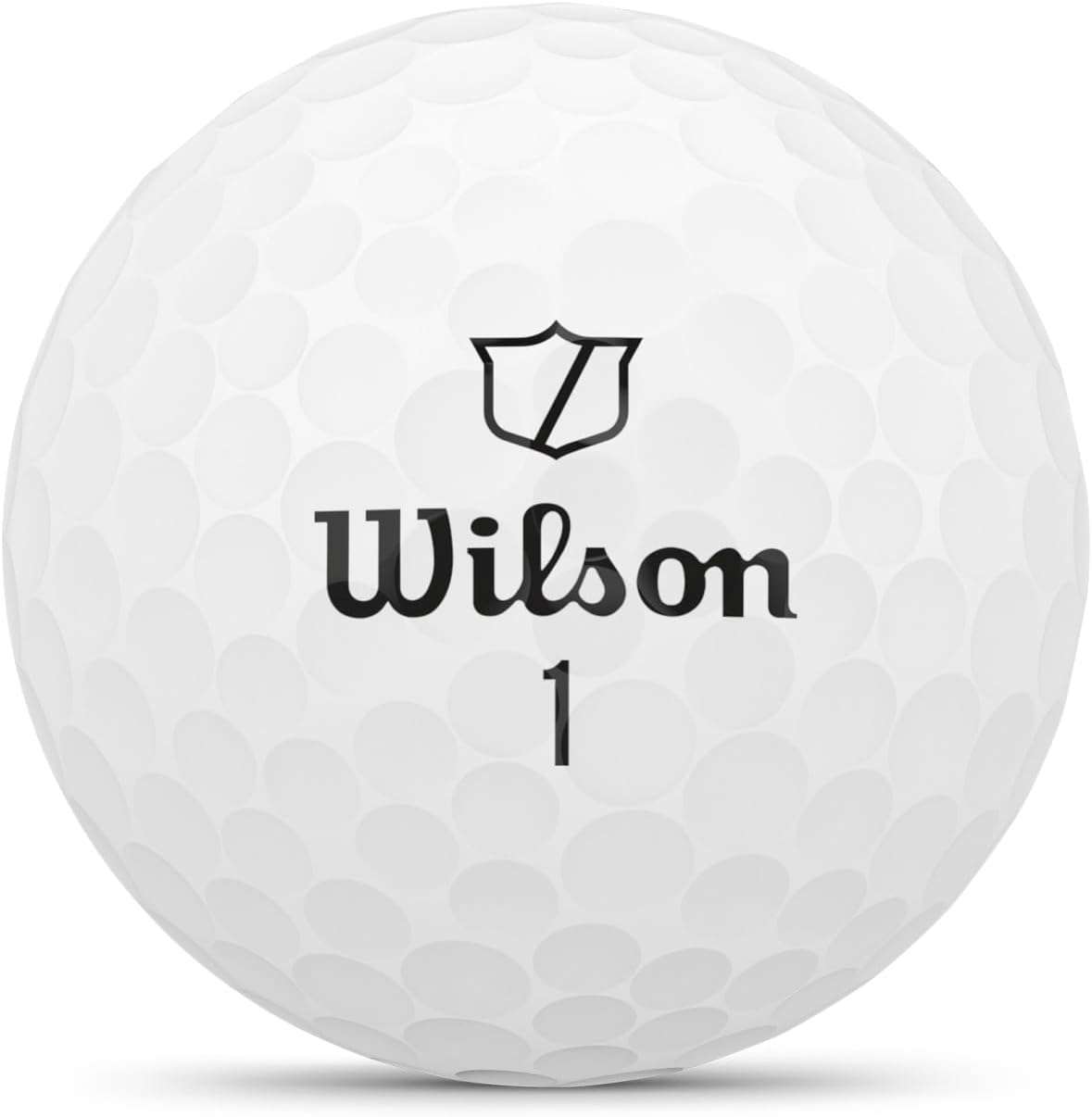
Wilson built the Duo Soft to be the softest ball you can put in play, and independent Ball Lab testing keeps confirming it lands there. That softness isn’t a gimmick: at slow swing speeds, it’s the difference between a ball that compresses properly at impact and one that doesn’t.
It’s the clearest recommendation on this list for a beginner or a slow-swing senior golfer, precisely because it asks nothing of the player. No spin to control, no compression to generate, just distance from a swing that would struggle to compress anything firmer.
The trade is total: almost no greenside spin, a flat trajectory compared to a urethane ball, and a feel off the putter face that better players tend to dislike.
Who should skip it: Anyone who wants to shape shots or spin a wedge. This ball isn’t built for either.
8. Srixon Q-Star Tour
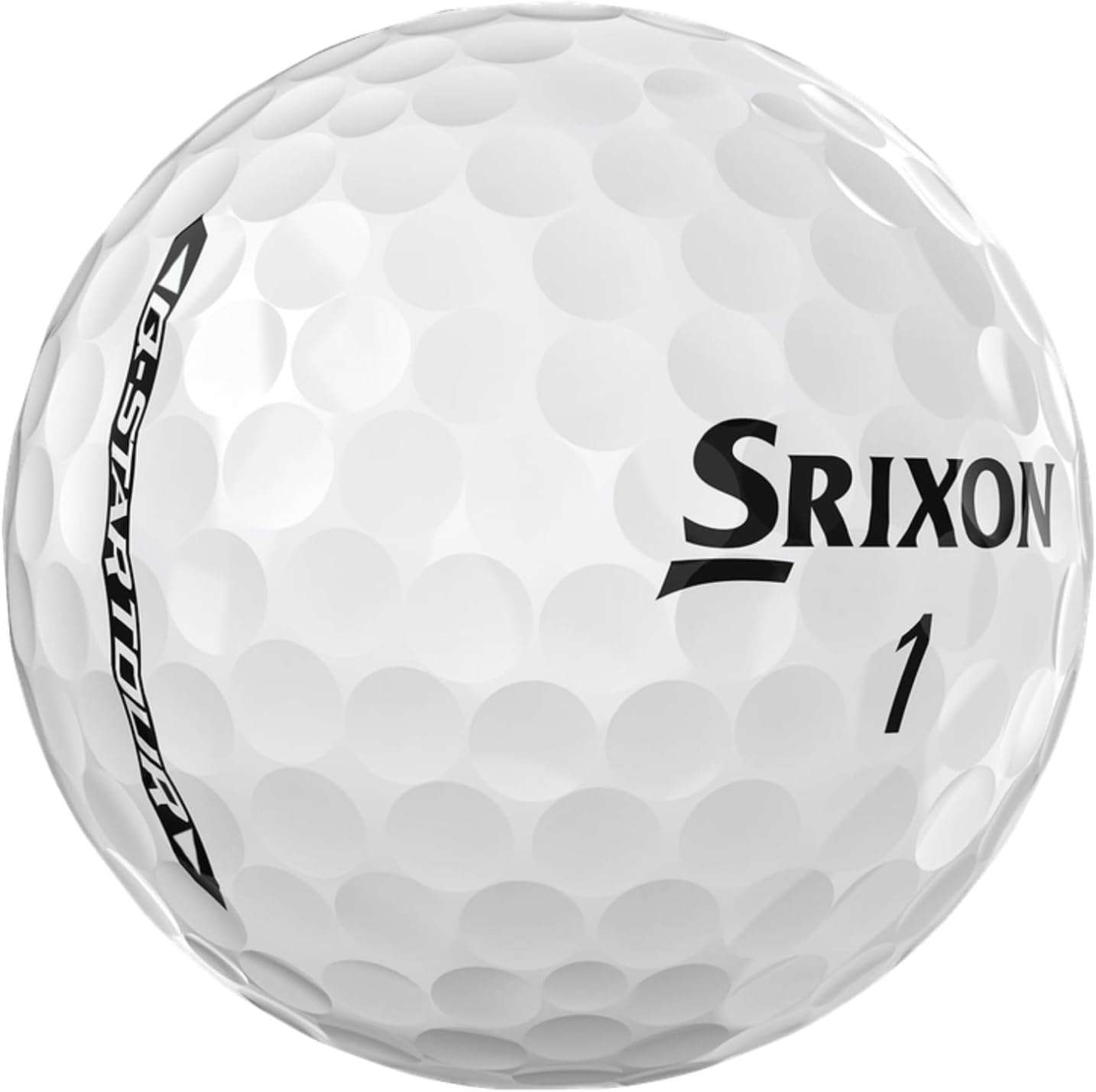
Q-Star Tour is a three-piece urethane ball priced and positioned below the true tour-level balls, aimed at a mid-handicap player who wants real short-game spin without paying Pro V1 money for swing speeds a tour ball isn’t built around. It’s regularly named among the better beginner-to-mid-handicap options precisely because it doesn’t ask for tour-level clubhead speed to perform.
The honest positioning: it isn’t the longest ball off the tee in its price range. What it gives up in raw distance it gets back in spin and control on approach shots, which matters more to scoring than a few extra yards off the driver for most golfers in this bracket.
Srixon’s manufacturing consistency has a strong reputation among independent testers, which matters as much as the spec sheet for a ball you’ll buy by the dozen repeatedly.
Who should skip it: Golfers chasing maximum driver distance above everything else. The Callaway Supersoft or Wilson Duo Soft will out-drive it.
Frequently Asked Questions
Does the golf ball actually matter more than the driver?
For most golfers, no single equipment change matters less than which premium ball you play, and no repeat purchase matters more. You buy a driver every few years and a dozen balls every few rounds. Getting compression and cover material right for your swing speed compounds over every round you play, even if the yardage difference on any one shot is small.
Do I need a urethane cover ball?
Only if you have the swing speed and short game to use the spin it produces. Urethane covers generate more spin around the green, which helps a player who can control that spin and hurts one who can't. Below about 90 mph clubhead speed, a two-piece ionomer-cover ball usually outperforms a urethane tour ball on both distance and price.
Is a cheaper ball actually worse, or just less marketed?
Both, depending on the ball. Independent lab testing has found some budget balls within a few percent of tour-ball performance, and others with real inconsistency in weight and compression from ball to ball. Cheap and inconsistent are different problems. Check independent test data rather than assuming price tracks quality in either direction.
The Bottom Line
If you don’t know your swing speed, get it measured before you buy a dozen tour balls out of habit. Under 90 mph, start with the Wilson Duo Soft or Callaway Supersoft. Above that with a short game to back it up, the Titleist Pro V1 remains the standard for a reason, and the Kirkland Signature V3.0 gets most golfers most of the way there for a fraction of the cost. Buy one sleeve of each candidate before you commit to a dozen. It’s the cheapest fitting in golf.
Cover image artificially generated for illustrative purposes.