
Best Golf Wedges for Seniors in 2026
Some links on this page are affiliate links. As an Amazon Associate, GolfThis earns from qualifying purchases at no extra cost to you.
Wedge shopping advice is mostly written for players with plenty of clubhead speed to spare, which is exactly the group that doesn’t need help getting the ball airborne. A slower swing changes the equation. Less speed through impact means less spin, a flatter launch, and a sole that can dig instead of glide through turf that a faster swing would clear easily.
None of that is about age. It’s about swing speed, and it can be fixed with the same three levers regardless of what’s causing the speed to be slower: shaft weight, bounce, and a face designed to generate spin without needing much speed to do it.
How we picked: We don’t claim to have hit every wedge here. These picks come from manufacturer specs on bounce, shaft weight, and grind options, aggregated player feedback, and where available, independent testing data. Several manufacturers now build a lightweight or senior-specific version of their standard wedge alongside the tour model, and we’ve picked those versions specifically rather than the stock spec.
Jump to the comparison table if you know what you’re shopping for.
This is an update to our original guide from 2017, which covered the Cobra King, Wilson Profile XLS, and five more wedges that defined the category at the time.
See also: The Ultimate Buying Guide to Golf Wedges · Best Drivers for Seniors in 2026
What Actually Changes With a Slower Swing
Shaft weight matters more here than anywhere else in the bag. A lighter shaft, graphite or lightweight steel, lets you generate clubhead speed without forcing your tempo. Several manufacturers, including Titleist and Cobra, now sell a dedicated lightweight version of their standard wedge rather than expecting slower-swing players to just size down a stiff steel shaft.
Bounce should generally run higher, not lower. Bounce is the angle between the leading and trailing edge of the sole, and it decides whether the club skips through turf or digs into it. A slower, often shallower angle of attack still benefits from 10 degrees or more of bounce, especially from soft turf or greenside sand, because higher bounce keeps the sole gliding rather than catching.
Grooves and face design do more of the spin work. Less clubhead speed through impact means less spin generated the traditional way, so a wedge with aggressive, well-maintained grooves and a face designed for low-speed spin generation earns its keep here more than it would in a tour player’s bag.
Best Golf Wedges for Seniors in 2026 Comparison Table
| Wedge | Shaft | Bounce | Best For | Price |
|---|---|---|---|---|
| Cobra King Snakebite | Senior graphite | Mid-high | Full-swing spin, forgiveness | $$ |
| Titleist Vokey SM10 Lightweight | Lightweight steel or graphite | Varies by grind | Players wanting tour grooves, lighter shaft | $$$ |
| Cleveland CBX Full-Face 2 | 84g graphite | 12° (50°-52°) | Off-center strikes, greenside forgiveness | $$ |
| Wilson Harmonized | Lightweight steel | Moderate | Budget, first wedge upgrade | $ |
| Callaway Opus Platinum | 65g/50g graphite | 12° (54°) | Tour shaping, lighter shaft option | $$$$ |
| Mizuno Pro T-1 | Steel or graphite | Multiple grinds | Wet-condition spin, forged feel | $$$ |
| PING Glide 4.0 Senior Flex | PING Alta CB Slate graphite | 6°-12° by loft | Widest bounce and grind selection | $$$ |
| Tour Edge Hot Launch Max D | Lightweight graphite | High | Budget forgiveness, complete sets | $ |
1. Cobra King Snakebite
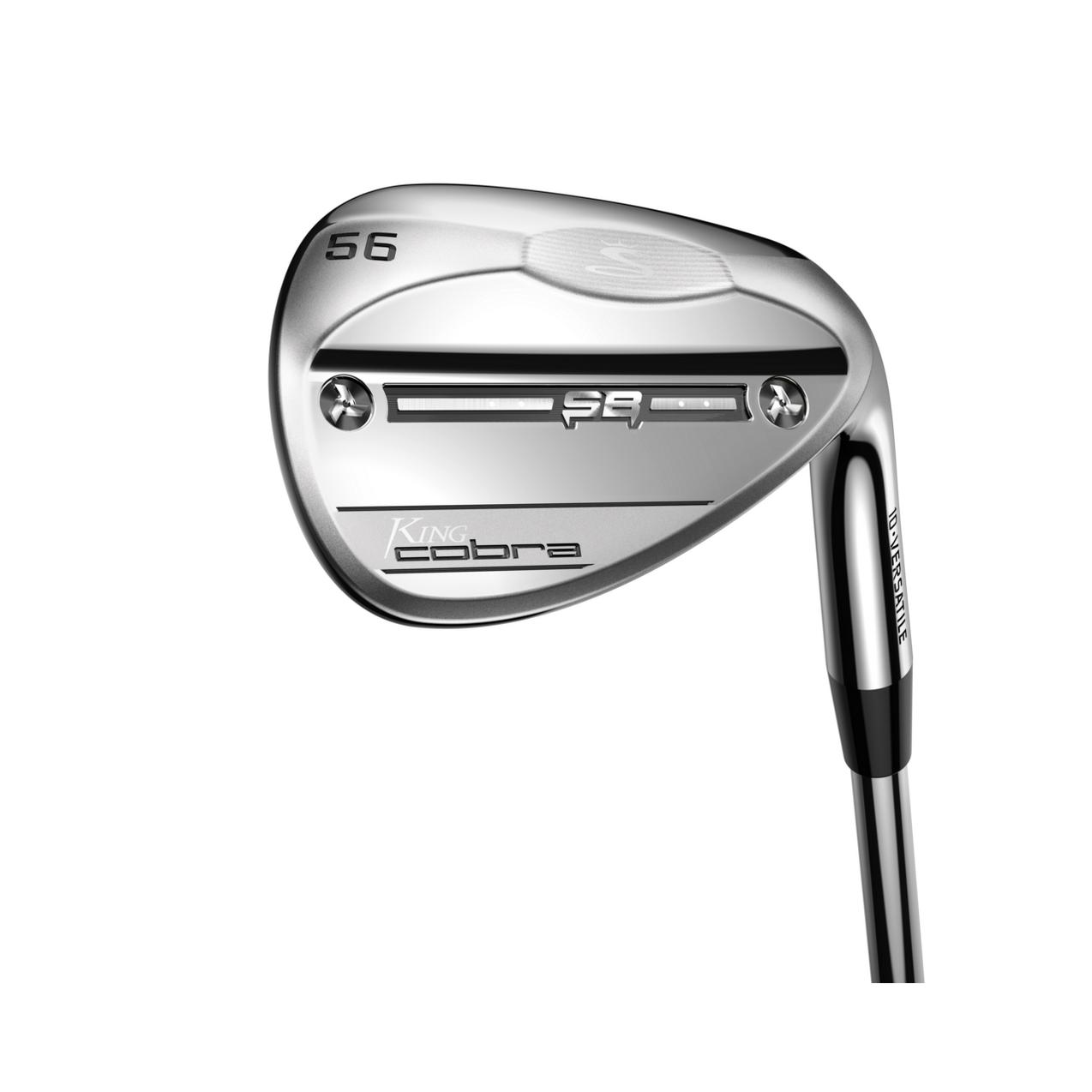
Cobra’s Snakebite grooves are 11% deeper with 40% sharper edges than the previous generation, built specifically to claw back spin that a slower swing loses. The senior graphite shaft option is lighter and more flexible than standard steel, which manufacturer specs describe as built to help slower-swing players launch higher and carry farther without changing their swing.
The oversized hollow cavity design adds real forgiveness on mis-hits, which matters more here than in a tour player’s bag. A senior swing that catches the ball slightly thin still needs to get the ball in the air.
Who should skip it: Better players who want to manipulate face angle and trajectory around the green. This is a full-swing-forgiveness wedge first.
2. Titleist Vokey SM10 Lightweight
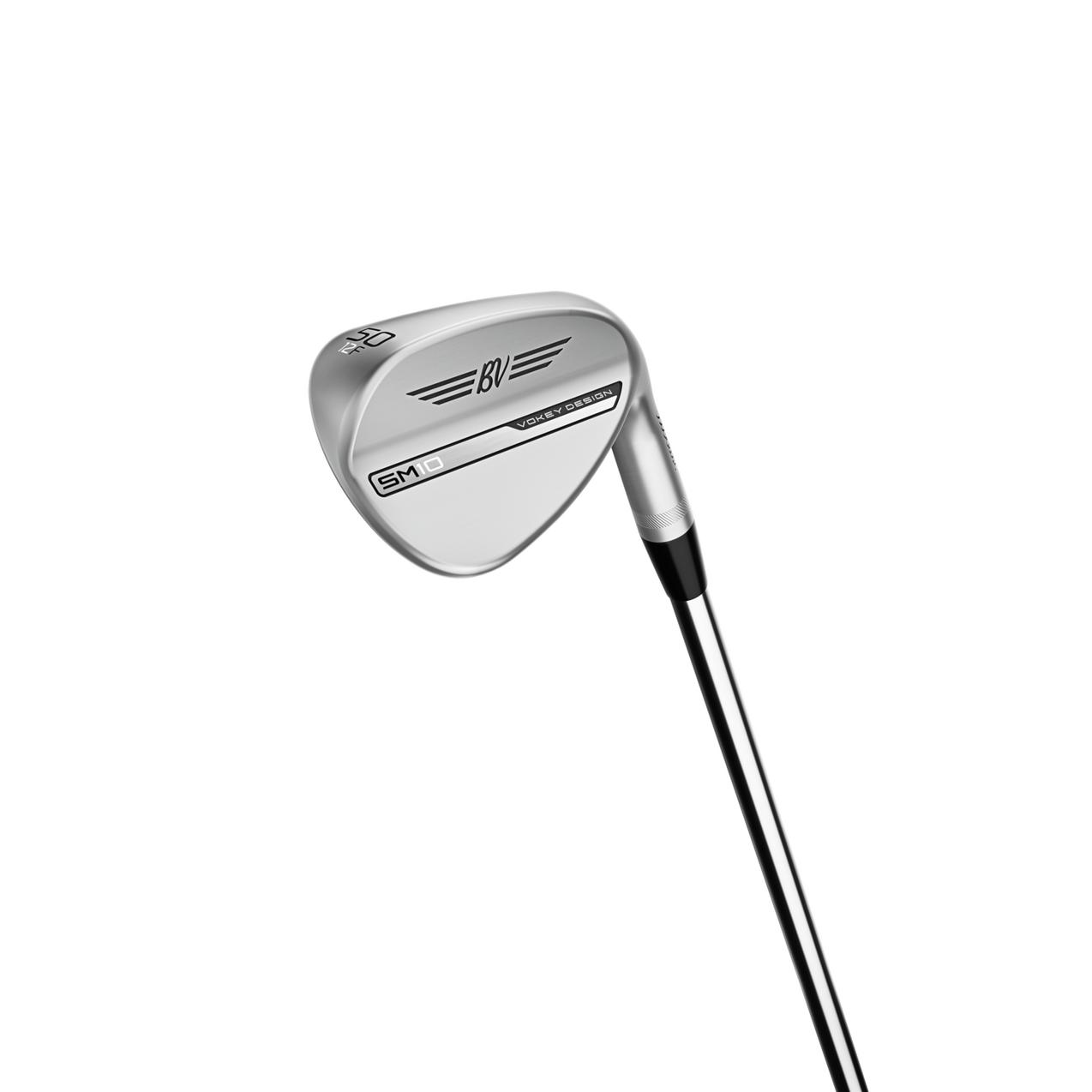
Titleist built the SM10 Lightweight specifically for moderate swing speed players who already game lighter shafts in their irons, rather than expecting them to bolt a standard Vokey onto whatever shaft happens to be cheapest. The lightweight steel option runs a Dynamic Gold 105 shaft, and a graphite version exists too, both aimed at higher launch and more spin for a player who isn’t generating tour-level clubhead speed.
You still get Vokey’s Spin Milled TX9 grooves and six grind options, which is the real reason to pay more here than for the Cobra or Wilson: this is the shortest path to tour-level greenside spin at a swing speed that wouldn’t normally produce it.
Who should skip it: Budget-conscious buyers. This is the most expensive wedge on this list, and the grind selection is more choice than most senior golfers need to make.
3. Cleveland CBX Full-Face 2
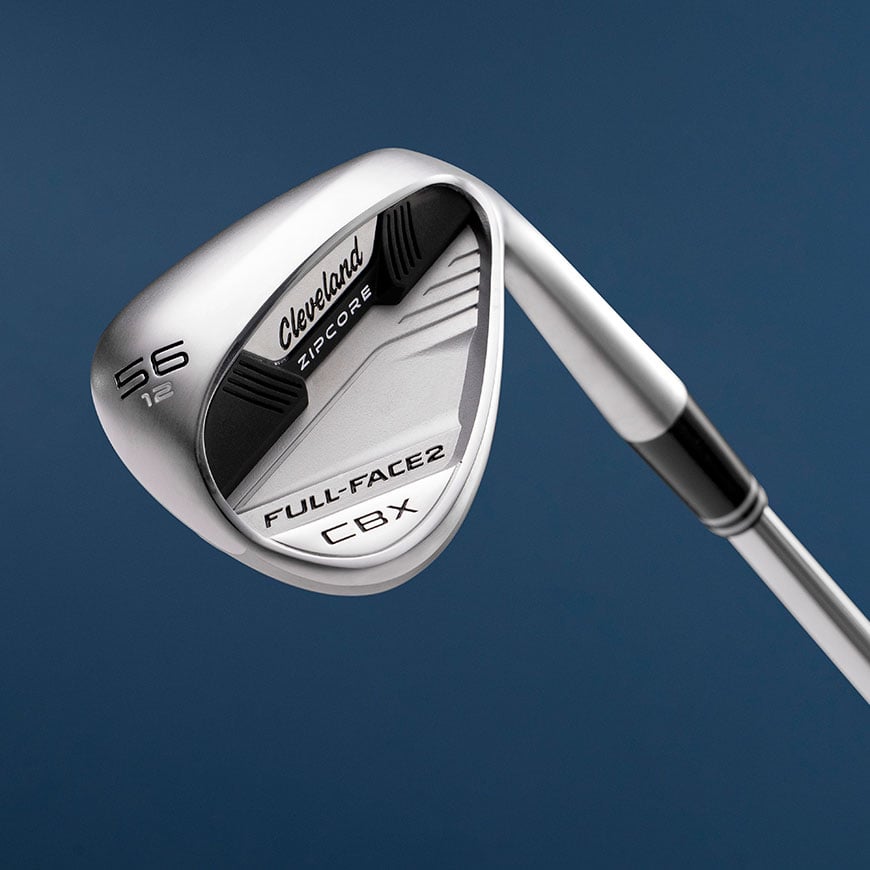
The CBX Full-Face 2 ships with an 84-gram Project X Catalyst graphite shaft standard, not as an upsell option, which tells you who Cleveland built this for. It also carries the largest face Cleveland has put on a CBX wedge, with grooves running hosel to toe, so a strike that misses the center still gets real spin and distance control.
The 50- and 52-degree lofts run a full-sole design at 12 degrees of bounce for maximum forgiveness on full shots, while the higher lofts shift to a C-shaped sole with more bounce centered under the face. That’s a sensible split: gap and approach wedges get hit full more often, and lob wedges need more finesse around the green.
Who should skip it: Players who prefer a compact, blade-style head. The large face is a forgiveness feature, and it looks like one at address.
4. Wilson Harmonized
The Harmonized is built from 431 stainless steel with modified bounce angles across its three loft options, and it’s priced well under everything else on this list. It won’t out-spin the Vokey or the Mizuno, but for a golfer testing whether a wedge upgrade actually helps before spending real money, it’s a reasonable place to start.
It’s also a sensible gift pick if you’re buying for someone easing back into the game after a layoff, which is a real and common reason people land on this list in the first place.
Who should skip it: Anyone who already knows they want tour-level grooves or a specific grind. This wedge competes on price and simplicity, not performance ceiling.
5. Callaway Opus Platinum
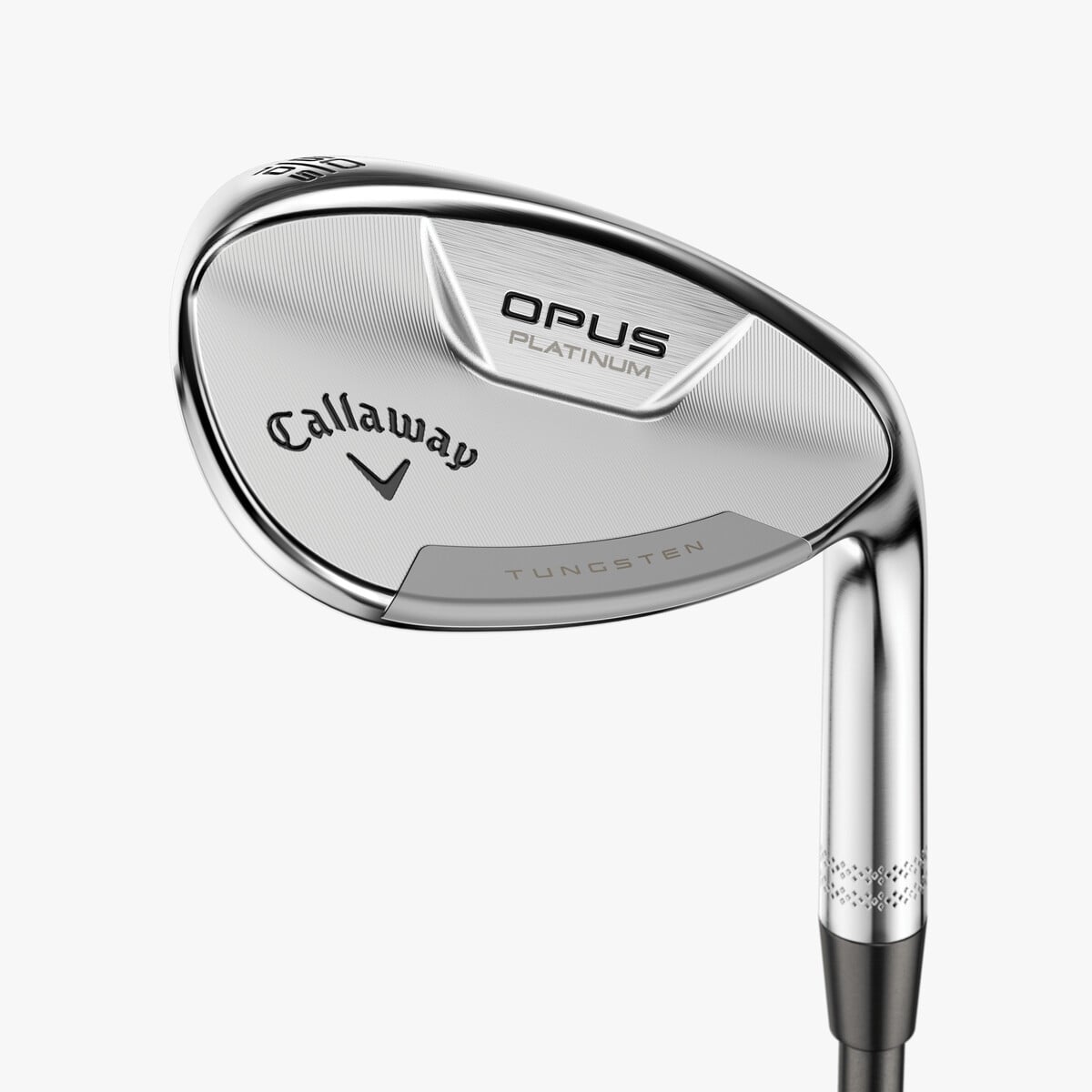
The Opus line is Callaway’s most tour-tested wedge shape to date, and the Platinum version fuses tungsten weighting with metal injection molding for launch control. The stock shaft lineup includes 65-gram and 50-gram graphite options, both considerably lighter than a standard steel wedge shaft, aimed at players who want tour shaping without needing tour swing speed to use it well.
Four grind options, including a forgiving W grind, mean there’s a real configuration decision to make here rather than a single stock spec. That’s worth knowing before buying off a generic listing.
Who should skip it: Golfers who want to buy once and be done. The grind and shaft decision here rewards a proper fitting more than an off-the-rack purchase would.
6. Mizuno Pro T-1
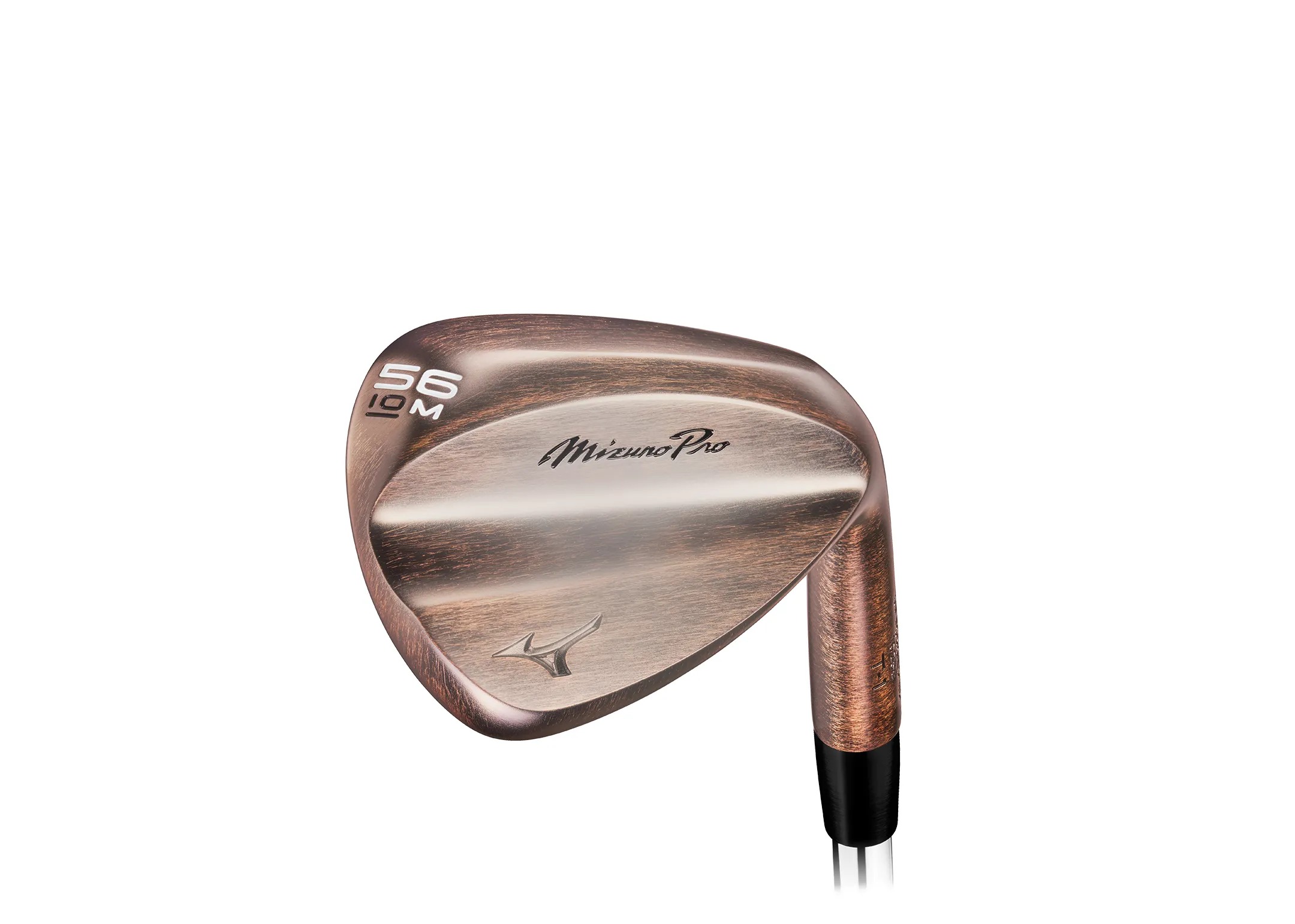
Mizuno’s Pro T-1 is forged from 1025E carbon steel at the company’s Hiroshima facility, and it comes in both steel and graphite shaft options, which makes it flexible for a player who isn’t sure yet whether they need the extra weight savings. The Hydroflow Micro Grooves are laser-etched specifically to channel away moisture, which matters more for a slower swing that’s already generating less spin than it can afford to lose to wet conditions.
It’s a forged wedge, so the feel is softer than the cast Cobra or Wilson options above, at a real cost premium for that feel.
Who should skip it: Anyone shopping strictly by price. This sits in the same tier as the Vokey, and the forged feel is a preference, not a performance guarantee.
7. PING Glide 4.0 Senior Flex
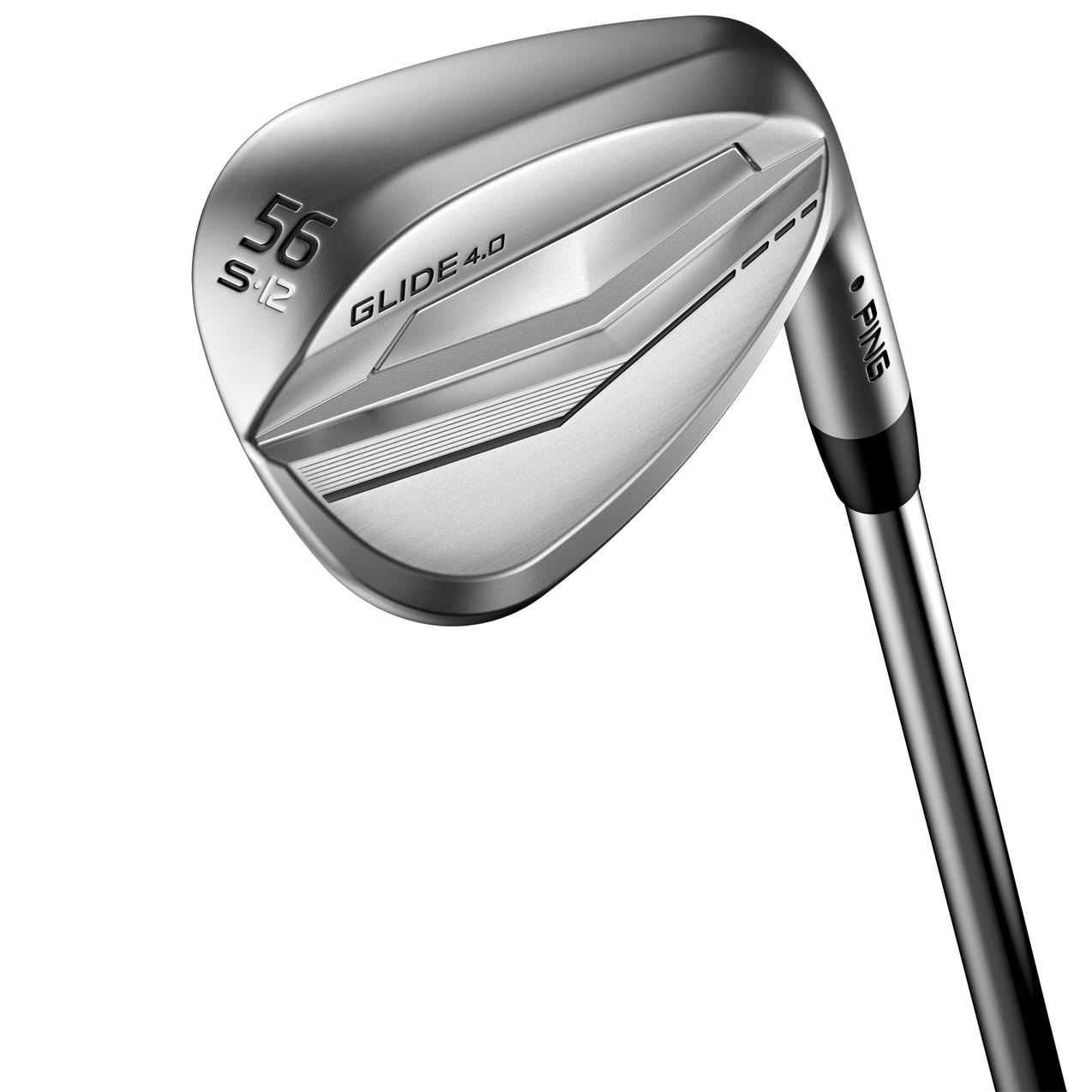
PING has discontinued the Glide 4.0. It no longer appears on PING’s own wedges lineup, which as of this writing lists the s259, s159, and the BunkR and ChipR short-game clubs instead. Remaining stock is still sold by third-party retailers and used-club marketplaces, so it’s includable here for now, but a new buyer should know they’re not buying PING’s current design.
PING’s own senior-flex spec on the Glide 4.0 lob wedge runs 6 degrees of bounce, considerably lower than the standard 10 to 12 degrees on the rest of this list, and it’s paired with a genuinely light PING Alta CB Slate graphite shaft. That’s not a mistake: the Glide 4.0 offers four different sole grinds, from the forgiving full-sole W grind to the thin, low-bounce T grind, so the senior-flex shaft and the bounce choice are separate decisions here rather than one fixed package.
That flexibility is the whole appeal. A senior player who sweeps the ball cleanly off tight turf wants a different grind than one who takes a divot, and PING is one of the only brands on this list that lets you choose both independently.
Who should skip it: Golfers who want one obvious box to check. PING’s grind system rewards research or a fitting session, and a blind purchase risks landing on the wrong sole for your strike pattern.
Want PING’s current wedge instead? The s159 replaces the Glide line and keeps the same lightweight-shaft, multi-grind approach: it’s available with the PING ALTA CB Black graphite shaft (as light as 65 grams) or the even lighter ALTA Quick, and spans 6 to 14 degrees of effective bounce across 25 loft-and-grind combinations. PING’s WebFit Wedge tool helps narrow that down without a full fitting session.
8. Tour Edge Hot Launch Max D
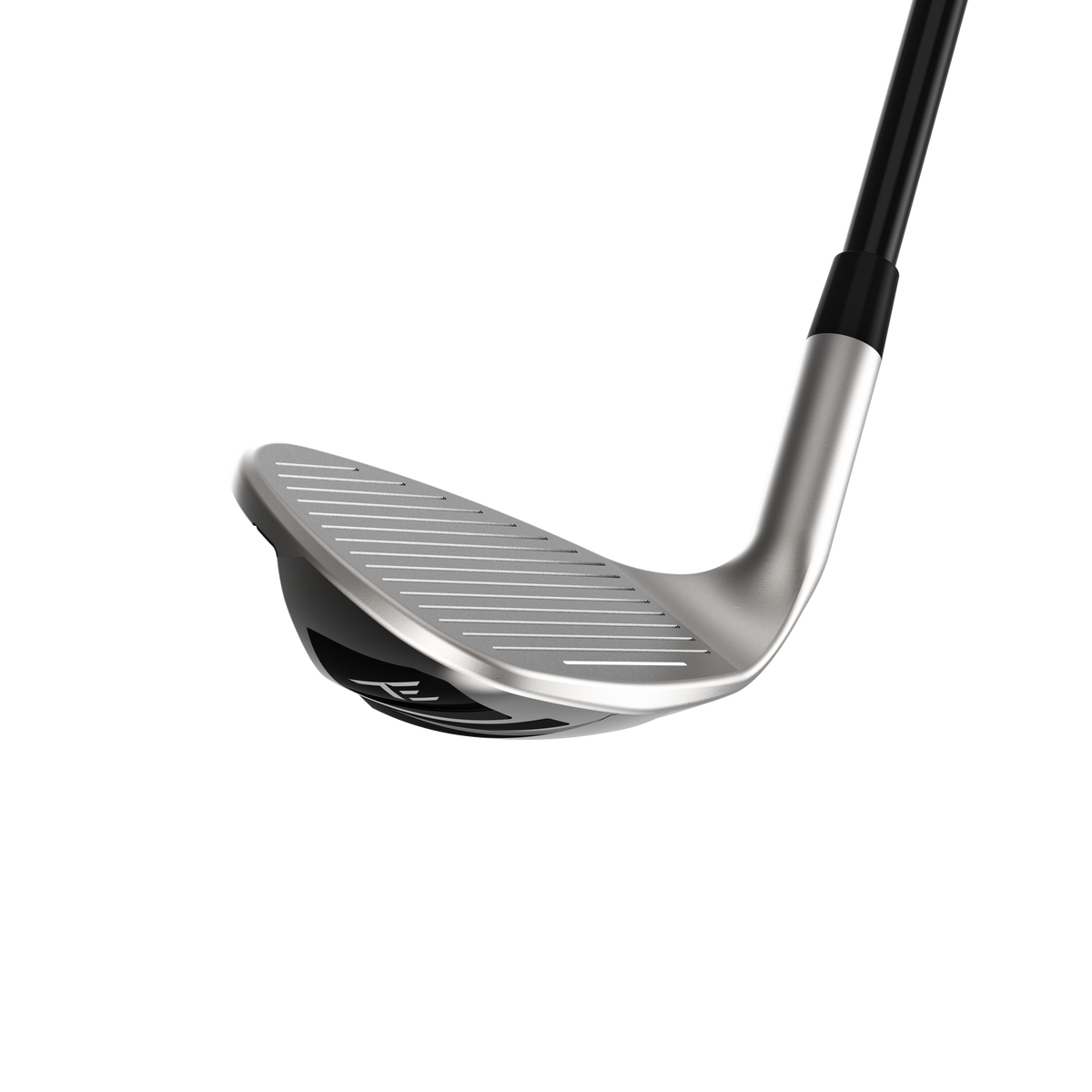
Tour Edge built its reputation on forgiving, lightweight game-improvement clubs at prices well under the major brands, and the Hot Launch Max D wedge carries that formula over: a genuinely light graphite shaft and a wide, forgiving sole aimed at players who want distance and consistency over shot-shaping control. It’s a sensible complement to a Hot Launch iron set if you’re already gaming one, since the weight and feel are built to match.
It won’t compete with the Vokey or Mizuno on greenside spin, but for a senior golfer prioritizing getting the ball airborne and on the green over precise trajectory control, that tradeoff is usually the right one.
Who should skip it: Golfers who spend a lot of time hitting delicate shots around the green. This wedge is built for full-swing forgiveness first.
Frequently Asked Questions
Why do seniors need different wedges than other golfers?
It comes down to swing speed, not age. A slower swing generates less clubhead speed through impact, which means less spin and a lower, flatter ball flight unless the equipment compensates. Lighter shafts help you generate speed without forcing it, and higher bounce keeps the sole from digging on a shallower angle of attack. Any golfer with a swing speed in that range benefits from the same specs.
What bounce is best for a slower swing speed?
Mid to high bounce, generally 10 degrees or more. A slower, shallower swing tends to catch the ground before the ball less aggressively than a steep swing, but higher bounce still adds forgiveness by keeping the sole from digging into soft turf or sand. Low bounce (under 8 degrees) is built for steep, aggressive swings and firm turf, which is the opposite of what most senior golfers need.
Should seniors use graphite or steel wedge shafts?
Graphite, in most cases, if swing speed has genuinely slowed. It's lighter, which helps a slower swing generate clubhead speed without extra effort, and several manufacturers now build dedicated lightweight steel options that split the difference for players who prefer steel's feel but want the weight savings.
The Bottom Line
Start with the Cobra King Snakebite or the Wilson Harmonized if you want to test whether a lighter shaft and higher bounce actually help your short game before spending more. If the improvement is real and you want to chase more spin and shot control, the Vokey SM10 Lightweight or the Mizuno Pro T-1 are the upgrade path. None of these will fix a swing problem, but the right bounce and shaft weight will stop the equipment from making a slower swing’s job harder than it needs to be.
Cover image artificially generated for illustrative purposes.