
Best Putters in 2026
Some links on this page are affiliate links. As an Amazon Associate, GolfThis earns from qualifying purchases at no extra cost to you.
Most putter roundups rank by feel, sound, or brand reputation, and ask you to work out afterward whether the thing actually fits your stroke. That gets the order backward. Your dominant eye decides where you see the ball sitting relative to the putter face, and your dominant hand shapes whether your stroke goes straight back and through or arcs open-to-closed. A putter that fights either one will have you fighting your aim before you’ve even made a stroke.
Two specs handle this: offset, how far the face sits behind the shaft at address, and toe hang, how much the head droops toe-down when balanced on a finger. Get your dominance combination right and the putter aims itself. Get it wrong and you’ll spend a season fighting a pull or a push that has nothing to do with your stroke.
How we picked: We don’t claim to have putted with every model here. These picks come from manufacturer offset and toe-hang specs, MyGolfSpy’s 2026 PuttView testing data (50,000-plus putts across 79 putters), and aggregated player feedback from retailer reviews and fitting-shop writeups. Where a spec is manufacturer-stated rather than independently tested, we say so.
This is part of our 2026 series, alongside Best Golf Drivers in 2026 and Best Golf Irons in 2026. Jump to the comparison table if you already know your dominance combination.
Looking for the classics that started this list? Our original eye and hand dominance guide from 2017 covers the Odyssey O-Works, the SeeMore FGP, and five more that are still in pro shops today.
Find Your Combination First
Make a triangle with your thumbs and index fingers, arms extended, and frame a distant object with both eyes open. Close one eye, then the other. The eye that keeps the object framed is dominant. Most golfers are right-hand dominant regardless of which eye leads, so the two combinations that actually split the market are right-eye-right-hand (RERH) and left-eye-right-hand (LERH).
RERH golfers have their dominant eye positioned behind the ball at address, relative to the target line. A face-balanced putter with little or no offset keeps the ball under that eye without forcing an unnatural stance.
LERH golfers have their dominant eye out in front, closer to the target. Offset moves the face back toward the ball, correcting for the eye’s forward position and preventing an aim that reads open when it isn’t.
Left-hand-dominant golfers who also play right-handed are rarer and tend to need the mirror image of whichever eye leads. If that’s you, the fitting logic below still applies. Just flip which end of the offset spectrum you’re shopping.
Best Putters in 2026 Comparison Table
| Putter | Offset | Toe Hang | Best For | Price |
|---|---|---|---|---|
| Mizuno M.Craft Osaka | Standard | Severe | RERH, strong arc stroke | $$$ |
| PING Scottsdale Anser 4 | Minimal | Face-balanced | RERH, straight-back stroke | $$$ |
| Scotty Cameron Phantom 5 | Full shaft | Face-balanced | RERH, mallet preference | $$$$ |
| Scotty Cameron Phantom 5.5 | 3/4 shaft | ~45° | LERH, arc stroke, mallet | $$$$ |
| Odyssey Ai-One Double Wide | Standard | 20° | LERH, slight arc | $$ |
| Odyssey Ai-One #1 CH | Full shaft | 47° | LERH, pronounced arc | $$ |
| Bettinardi Studio Stock 28 | Minimal | Face-balanced | RERH, center-shaft feel | $$$$ |
| Ben Hogan BHM03 | Standard | Mid | Either, budget mallet | $$ |
1. Mizuno M.Craft Osaka
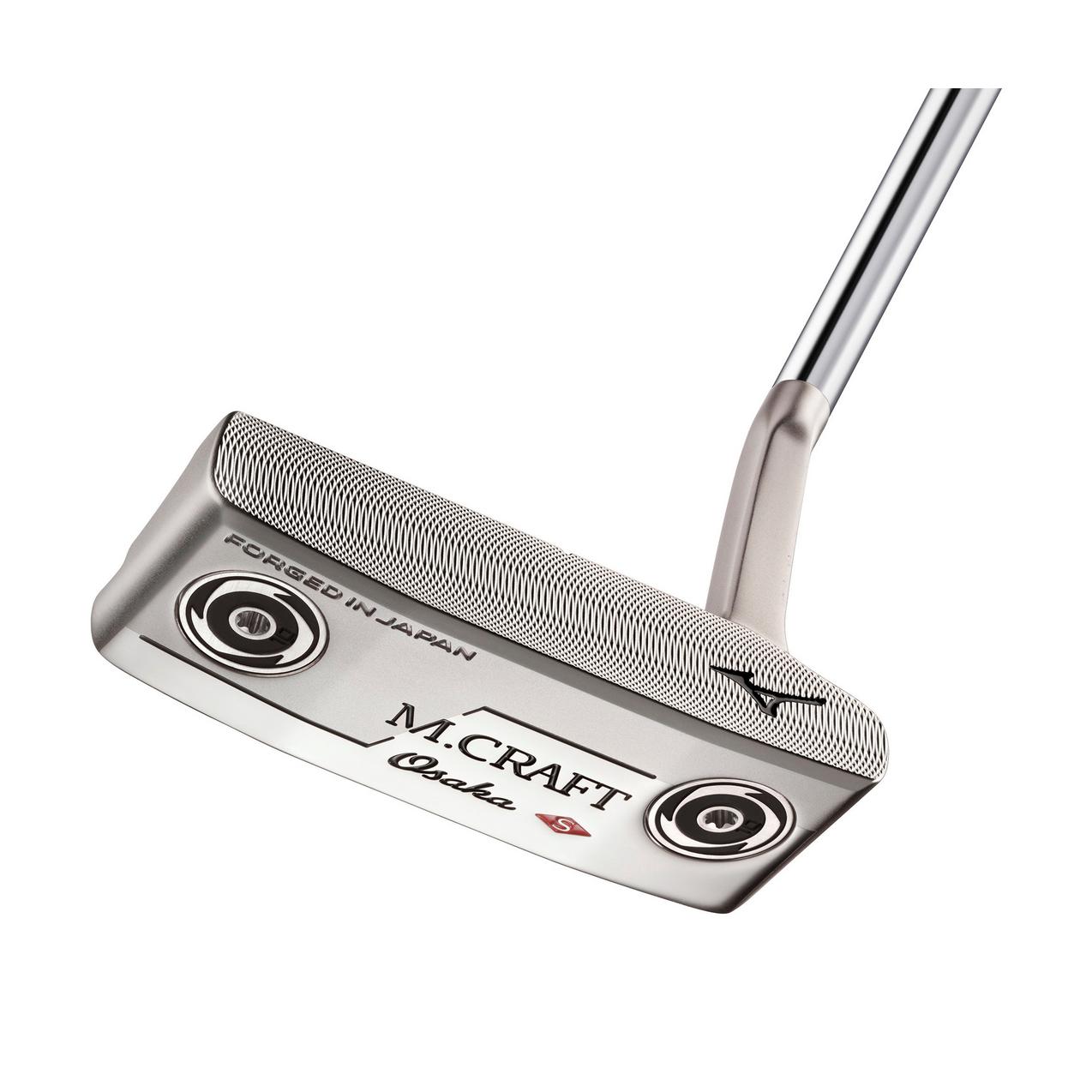
Mizuno’s 2026 blade won MyGolfSpy’s blade category outright this year, with the best PuttView handicap average across short, mid, and long putts of any blade tested. That performance comes with a tradeoff: the Osaka carries severe toe hang, meaning the head droops hard toe-down at rest. It’s built for a stroke with real arc, and it wants your dominant eye positioned toward the back of the ball, which is the RERH setup.
The face milling is soft off a full carbon-steel insert, and the blade shape is compact enough that better players won’t feel like they’re aiming a mallet. This isn’t a forgiveness play. It’s a precision blade for someone whose stroke and eye dominance both point the same direction.
Who should skip it: Anyone with a straight-back-straight-through stroke. Severe toe hang on a straight stroke fights you on every putt, not just the occasional one.
2. PING Scottsdale Anser 4
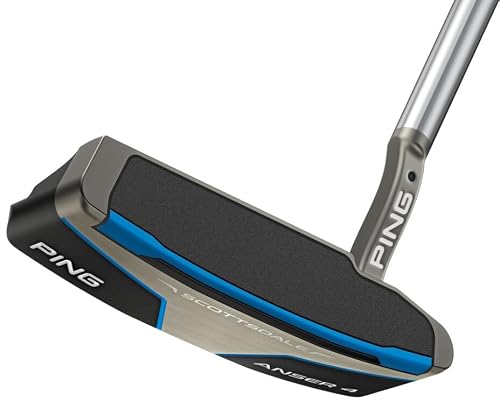
The Anser 4 was the strongest short-putt performer in MyGolfSpy’s 2026 blade test, with the Anser 2D in the same lineup posting the best long-putt number of any blade tested. PING builds the Anser family close to face-balanced with minimal offset, which is the classic RERH spec: dominant eye over the back of the ball, little correction needed.
It’s also a good starting point if you’ve never been fit for a putter and suspect you’re right-eye dominant but haven’t confirmed it. The face-balanced head is forgiving of stroke-path inconsistency in a way high-toe-hang putters aren’t.
Who should skip it: Golfers with a pronounced arc stroke. A face-balanced head resists closing through impact, which will leave an arc-stroke putter fighting the face all the way through.
3. Scotty Cameron Phantom 5
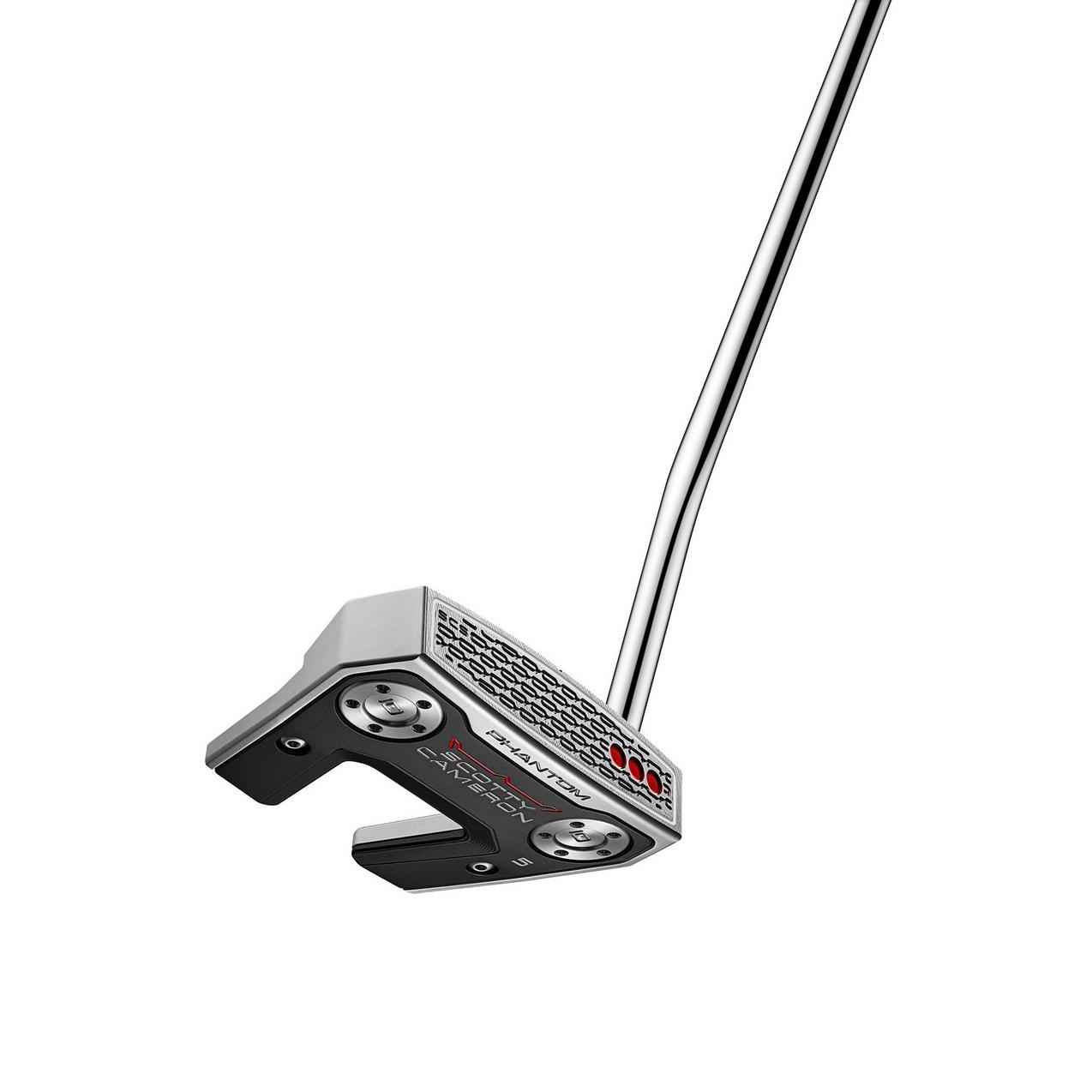
The standard Phantom 5 runs a mid-bend shaft that produces close to zero toe hang and a full shaft of offset. Scotty Cameron’s own spec sheet calls it built for the “straight back, straight through” player. That combination suits an RERH golfer who also wants the deeper, more forgiving face of a mallet rather than a blade.
The Studio Carbon Steel insert with chain-link milling is shared across the whole Phantom 5 family, so the difference between this and the 5.5 below is almost entirely in the neck and shaft bend, not the face. That’s worth knowing before you pay Scotty Cameron prices for the wrong hosel.
Who should skip it: Anyone who arcs their stroke. The near-zero toe hang here is the opposite of what an arc stroke wants, and it’s an expensive mismatch to discover after the fact.
4. Scotty Cameron Phantom 5.5
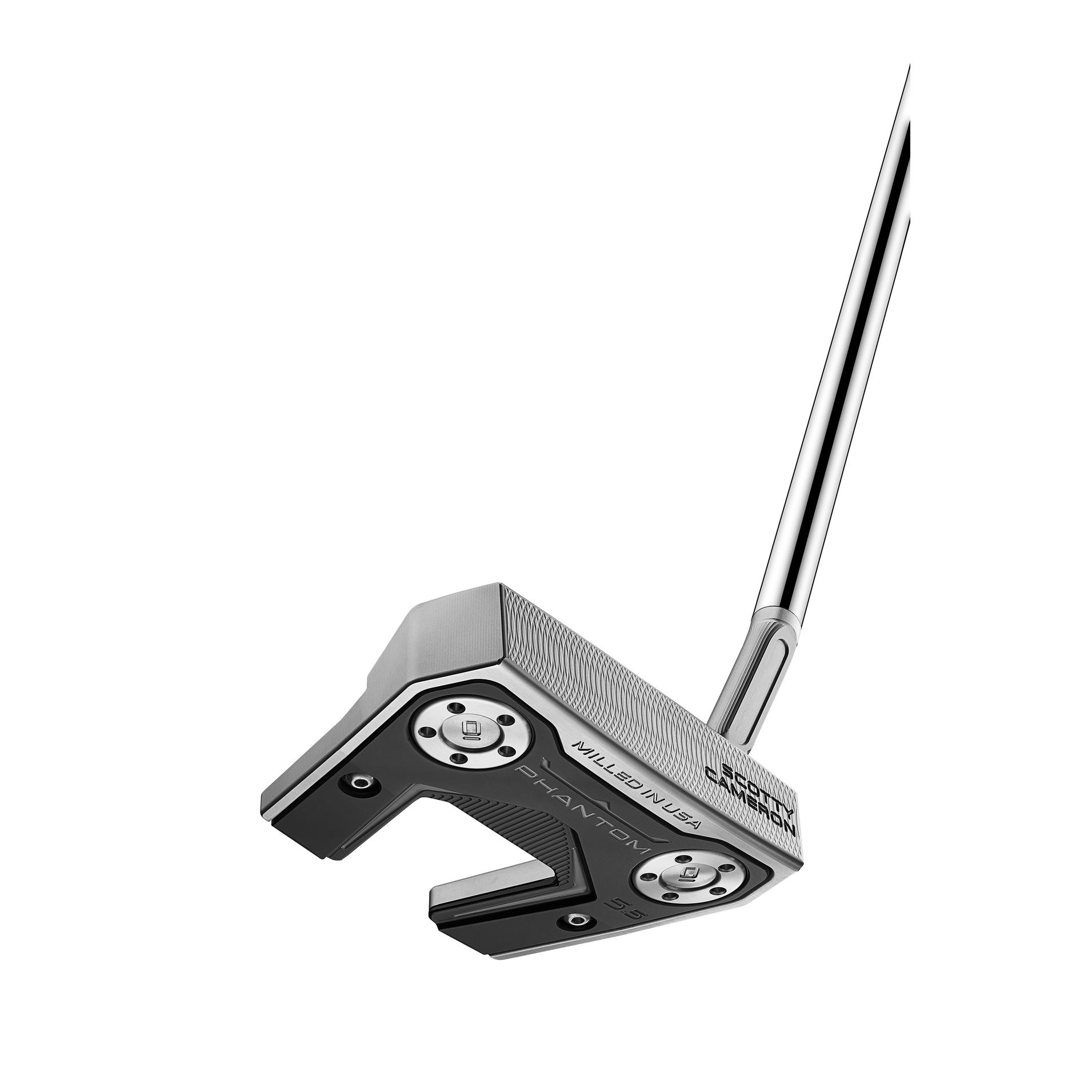
Same head, same face insert as the Phantom 5, but the 5.5’s jet-neck hosel creates roughly 45 degrees of toe hang and three-quarter shaft offset instead of a full shaft. That’s Scotty Cameron’s own arc-stroke build, and the combination of real offset with real toe hang makes it the mallet pick for LERH golfers whose stroke also has some rotation in it.
If you’ve read the Phantom 5 entry above and thought “that’s the wrong shape for my stroke,” this is the fix: same face feel, different fitting profile entirely.
Who should skip it: Straight-back-straight-through putters. The 45 degrees of toe hang will make the face feel like it’s fighting to close on every stroke that isn’t arced.
5. Odyssey Ai-One Double Wide
The Double Wide model in Odyssey’s Ai-One line runs a double-bend shaft that produces about 20 degrees of toe hang, noticeably milder than the rest of the family. That’s a slight-arc spec, useful for LERH golfers whose stroke isn’t severely arced but still needs some offset correction rather than none.
At this price point it’s also a reasonable way to test whether offset helps your aim before spending Scotty Cameron money to find out. The wide mallet head adds forgiveness that a blade doesn’t offer.
Who should skip it: Golfers who’ve already confirmed a strong arc. The mild 20-degree toe hang here won’t be enough correction, and you’ll want the #1 CH model below instead.
6. Odyssey Ai-One #1 CH
The #1 CH runs a crank-neck hosel built for a slight-to-moderate arc, and Odyssey’s own spec sheet lists 47 degrees of toe hang, among the highest in any mass-market putter, mallet or blade. Paired with full shaft offset, this is the strongest LERH, pronounced-arc combination on this list outside of custom fitting.
It’s also considerably cheaper than the Scotty Cameron options above with Odyssey’s White Hot insert doing a lot of the feel work. If the fitting specs match your stroke, there’s no performance reason to spend more.
Who should skip it: Anyone with a straight or minimal-arc stroke. 47 degrees of toe hang on a straight putter is a mismatch this list keeps coming back to for a reason: it’s the single most common putter-fitting error.
7. Bettinardi Studio Stock 28
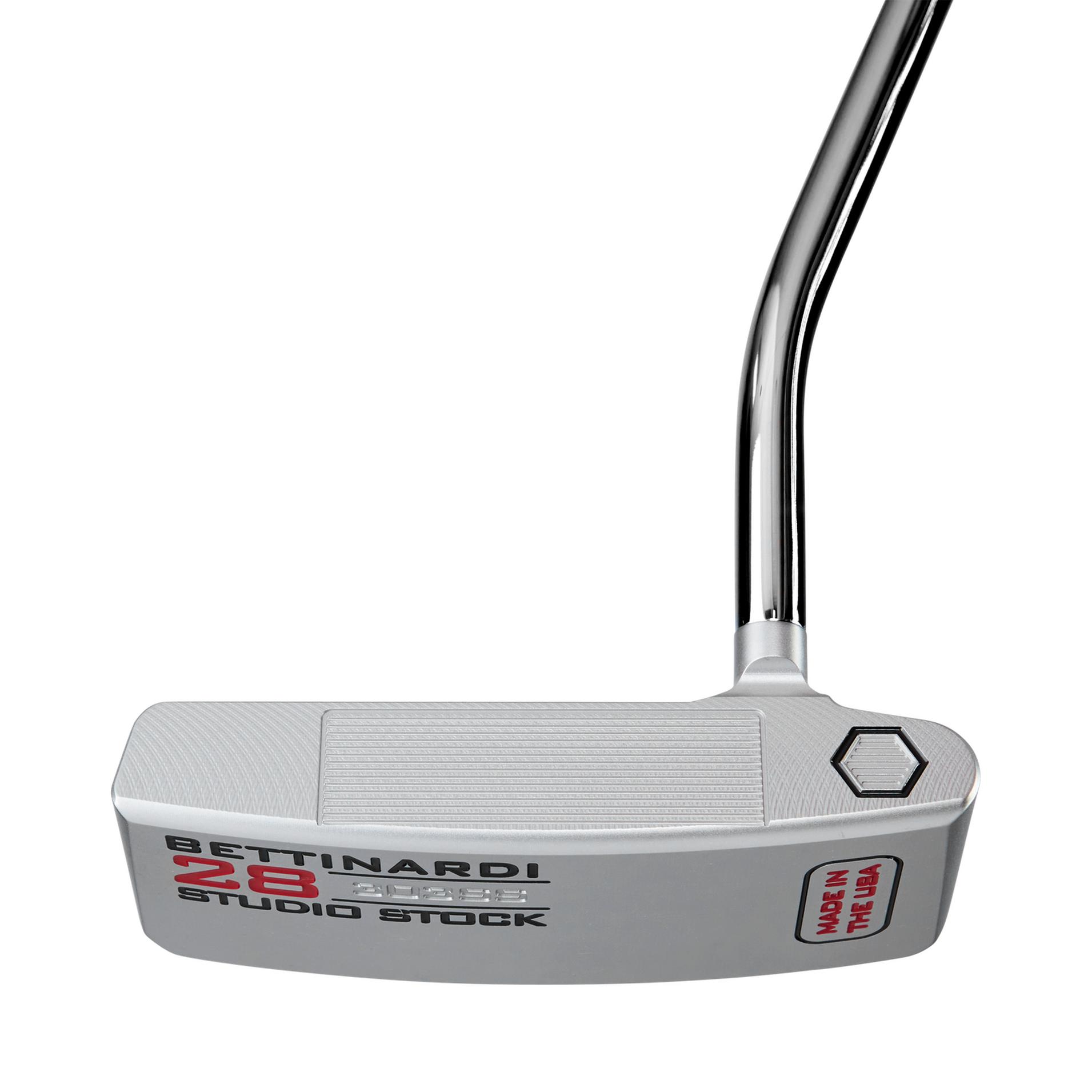
Bettinardi took the top two spots in MyGolfSpy’s 2026 mallet testing, and the Studio Stock line’s center-shaft construction produces minimal offset with a face-balanced feel, similar in fitting profile to the PING Anser above but in a mallet body. Milled from a single block of carbon steel, the feedback off the face is firmer and louder than the milled inserts on this list, which some players prefer for distance control on long putts.
The center-shaft hosel is also a legitimately different look at address than anything else here, which matters if you’re someone who putts better with the shaft entering the middle of the head rather than the heel.
Who should skip it: Golfers who want a soft, quiet feel off the face. Bettinardi’s milled carbon steel is firm by design, and that’s a preference question independent of the fitting math.
8. Ben Hogan BHM03
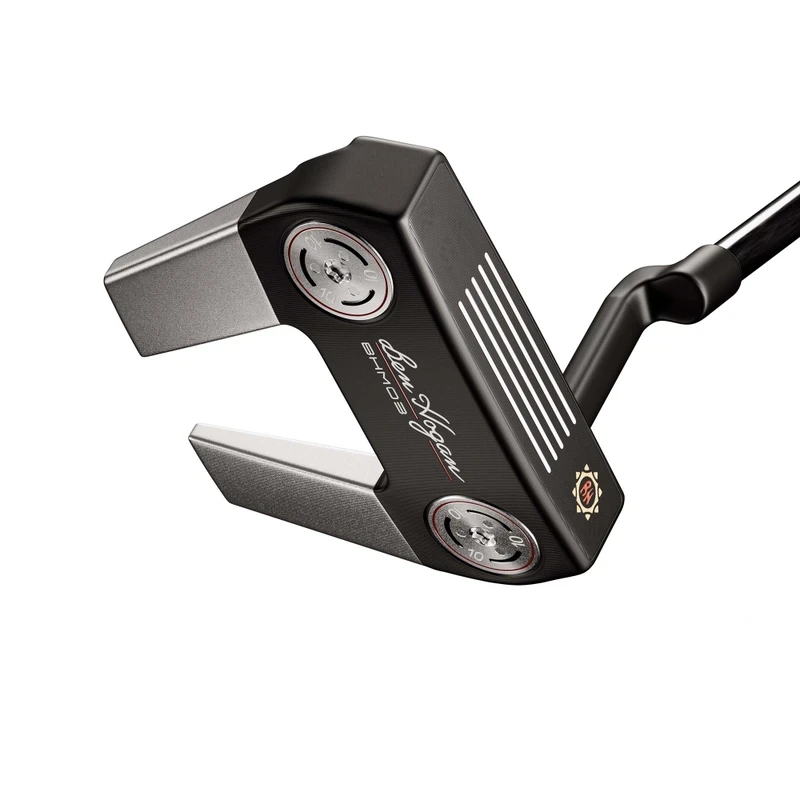
MyGolfSpy called the BHM03 the most balanced putter in their entire 2026 mallet top five, with no clear weakness across short, mid, and long putts. It runs a mid-level toe hang that splits the difference between the face-balanced and high-arc extremes on this list, which makes it a reasonable default if you haven’t nailed down your dominance combination yet and don’t want to guess wrong at a higher price.
It’s also the cheapest putter on this list by a real margin, which matters if you’re testing whether offset and toe hang change your putting before committing further.
Who should skip it: Anyone who has already confirmed a strong arc or a dead-straight stroke. The BHM03’s middle-of-the-road spec is a strength for the undecided and a compromise for everyone else.
Frequently Asked Questions
How do I find out which eye is dominant?
Make a triangle or circle with your hands, arms extended, and center a distant object inside it with both eyes open. Close one eye. If the object stays put, that's your dominant eye. If it jumps, you closed your dominant eye. Do it three times to be sure. It's easy to get backwards on the first try.
Does eye dominance actually change which putter I should buy?
It changes where the ball sits relative to your dominant eye at address, which changes how straight the putter face reads to you. Offset and toe hang are the two putter specs that compensate for that. It's one input among several, alongside stroke shape and feel. Not the only thing that matters, but a real and underused one.
What's the difference between offset and toe hang?
Offset is how far the face sits behind the shaft's leading edge at address. It changes where your eyes place the ball relative to the hosel. Toe hang is how much the head droops toe-down when balanced on a finger, and it matches the putter to how much your stroke arcs versus goes straight back and through. They solve different problems and a putter fitter checks both.
The Bottom Line
If you’ve never been fit and don’t know your numbers, start with the Ben Hogan BHM03 or a face-balanced blade like the PING Anser 4 and pay attention to whether the face feels like it’s fighting you through impact. If it is, you’re probably an arc-stroke player who needs toe hang, and the Odyssey Ai-One #1 CH or the Phantom 5.5 is the next putter to try. None of this replaces an actual fitting session with a launch monitor, but the eye test takes thirty seconds and it’s a better starting point than shopping by brand name alone. If a stroke test points you toward toe hang, our dedicated Best Blade Putters in 2026 roundup covers that shape in more depth; on a tighter budget see Best Cheap Putters in 2026.
See also: Best Cheap Putters
Cover image artificially generated for illustrative purposes.